

Maddy summaryHB 2369 creates a Washington local food for schools program under the Superintendent of Public Instruction to help public school food authorities (like school districts) buy more locally grown food for school meals. The program establishes a catalog of Washington-grown, unprocessed foods and coordinates ordering through existing federal food systems to reduce administrative work for schools. It requires voluntary participation by schools in the national school lunch program, applies geographic preferences for local products where federal rules allow, and mandates collaboration between education, agriculture, and university departments to improve procurement and distribution. The bill directly affects school districts, Washington farmers, and state agencies by streamlining access to local food sources while aligning with federal nutrition requirements.
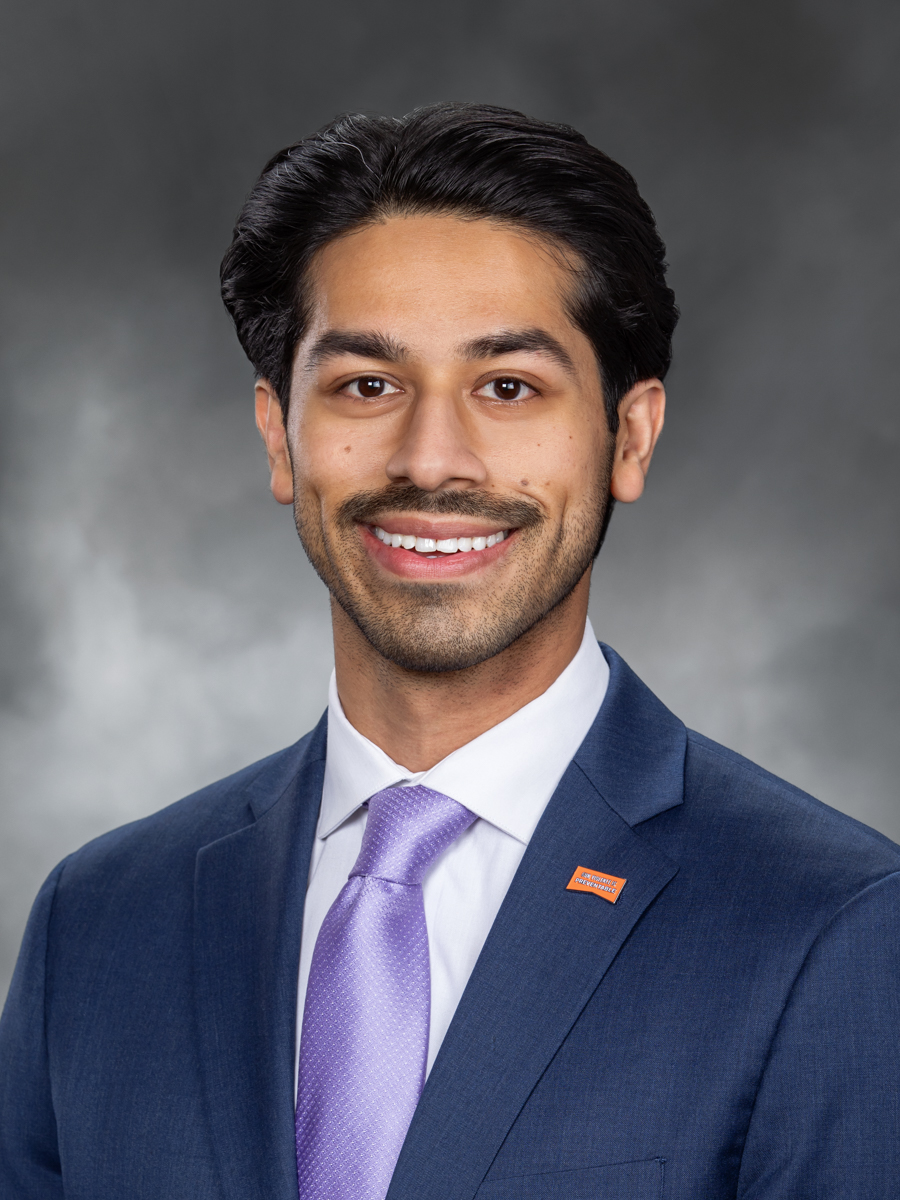
Rep. Osman Salahuddin
Sponsored bills
Maddy summaryHB 2352 aligns conflict of interest rules for state officers and employees with those already required for municipal officers. It revises the definition of "beneficial interest" to prohibit ownership of more than 1% in entities doing business with the state (previously allowing up to 10% for state staff), matching the standard municipal officers have followed for decades. This change directly affects state employees and officials who may hold financial stakes in contracts, sales, leases, or grants involving state agencies. The bill eliminates the previous 10-times-laxer standard for state-level staff, ensuring consistent ethical requirements across all government levels. It focuses solely on clarifying the financial interest threshold, without altering other ethics provisions.
Maddy summaryHB 2432 allows Washington school districts to prioritize selling or giving surplus technology hardware (like laptops and tablets) to public school students at reduced price or for free, instead of selling to the general public first. It specifically directs districts to prioritize students from families qualifying for free/reduced meals or earning at or below 185% of the federal poverty level. The bill amends existing law to require districts to document sales/grants and defines "surplus technology hardware" as devices issued to students during the school year. This policy change aims to reduce financial barriers for students needing technology for education and workforce development.
Maddy summaryHB 2310 changes sentencing for certain fourth-degree assaults by elevating them to a class C felony when the assault is found to be sexually motivated and the perpetrator has two or more prior convictions for sex offenses within the past decade. It directly affects individuals who commit sexually motivated fourth-degree assaults and have prior adult convictions for offenses like rape, child molestation, or assault with sexual motivation. The bill adds a new provision requiring a "finding of sexual motivation" under existing law (RCW 9.94A.835) to trigger the felony classification, replacing prior domestic violence-based triggers for similar cases. This targets repeat offenders with a history of sex-related crimes, making the sentencing more severe for new sexually motivated assaults in these specific circumstances.
Maddy summaryHB 2684 establishes state guidelines to define "socially disadvantaged individuals" for business certification under Washington state programs. It directly affects minority-owned, women-owned, and disadvantaged business enterprises seeking state contracts by creating a standardized certification process. The bill presumes individuals who are women, Black/African American, Hispanic/Latino, Native American, Asian, Pacific Islander, Native Hawaiian, Middle Eastern/North African, or LGBTQ+ qualify as socially disadvantaged, with the state office able to add other groups via rule. This centralizes certification under one state office to prevent duplication and streamline participation in state and local government contracting programs.
Maddy summaryThis resolution formally acknowledges the strong economic, cultural, and political ties between Washington State and the Province of Québec. It highlights Québec’s $850 million in bilateral trade with Washington in 2024, Québec-based business investments across the state, and shared expertise in sectors like clean technology and AI. The resolution does not create new laws or funding; it solely serves as a symbolic recognition of existing partnerships through a formal statement by the Washington State House of Representatives.
Maddy summaryHB 2480 requires cities and counties with populations over 30,000 to allow residential development in commercial and mixed-use zones, prohibiting local governments from banning homes in these areas. It removes requirements that residential projects must include ground-floor commercial space or mixed-use as a condition for permits. Exceptions include industrial zones, areas within 3,200 feet of oil/gas refineries, historic preservation sites, and certain waterfront or critical areas. The law would override conflicting local zoning rules one year after enactment, applying to all affected jurisdictions.
Maddy summaryHB 2394 updates Washington's insurance fraud laws to better address modern schemes. It clarifies definitions of "insurer" to include health care service contractors and health maintenance organizations, and explicitly lists fraud types like submitting false medical bills, embezzling premiums, or misrepresenting insurance claims. The bill upgrades insurance fraud to a class B felony and requires restitution for insurers and victims. This directly affects insurers, consumers, and individuals committing fraud involving insurance claims or payments.
Maddy summaryHB 2159 creates a dedicated "preK promise account" managed by the state treasurer to fund Washington's state-funded early childhood education programs. The account receives and tracks donations, grants, and gifts separately from each source, and funds can only be used for eligible children in the existing early childhood education program (RCW 43.216.510). Unlike typical state funds, this account does not require annual appropriations for spending, and any leftover funds accumulate rather than returning to the general fund. The bill directly affects early childhood education programs and the children they serve, establishing a new funding mechanism for these services.
Maddy summaryHB 2161 expands the Washington Attorney General's authority to issue written civil investigative demands for documents, testimony, or answers to questions during investigations into potential violations of specific state and federal laws. It directly affects individuals and entities that may possess relevant records or information related to these investigations. The bill establishes clear procedures for these demands, requiring specific details about the investigation, reasonable descriptions of requested materials, and defined timelines, while prohibiting demands that would be unreasonable or require privileged information. It also includes strict confidentiality rules about disclosing the demand itself and limits how produced materials can be shared or used, ensuring the process aligns with standard civil court procedures.