

Maddy summaryThis is a ceremonial resolution (not substantive legislation) passed by the Washington state House of Representatives. It formally congratulates the Seattle Seahawks football team for winning the 2025 NFL regular season, NFC West Division championship, and Super Bowl 60. The resolution specifically recognizes their 14-3 record, defensive dominance, key player achievements (including MVP Kenneth Walker III), and community contributions. It has no legal effect beyond expressing the House's recognition and appreciation to the team organization.
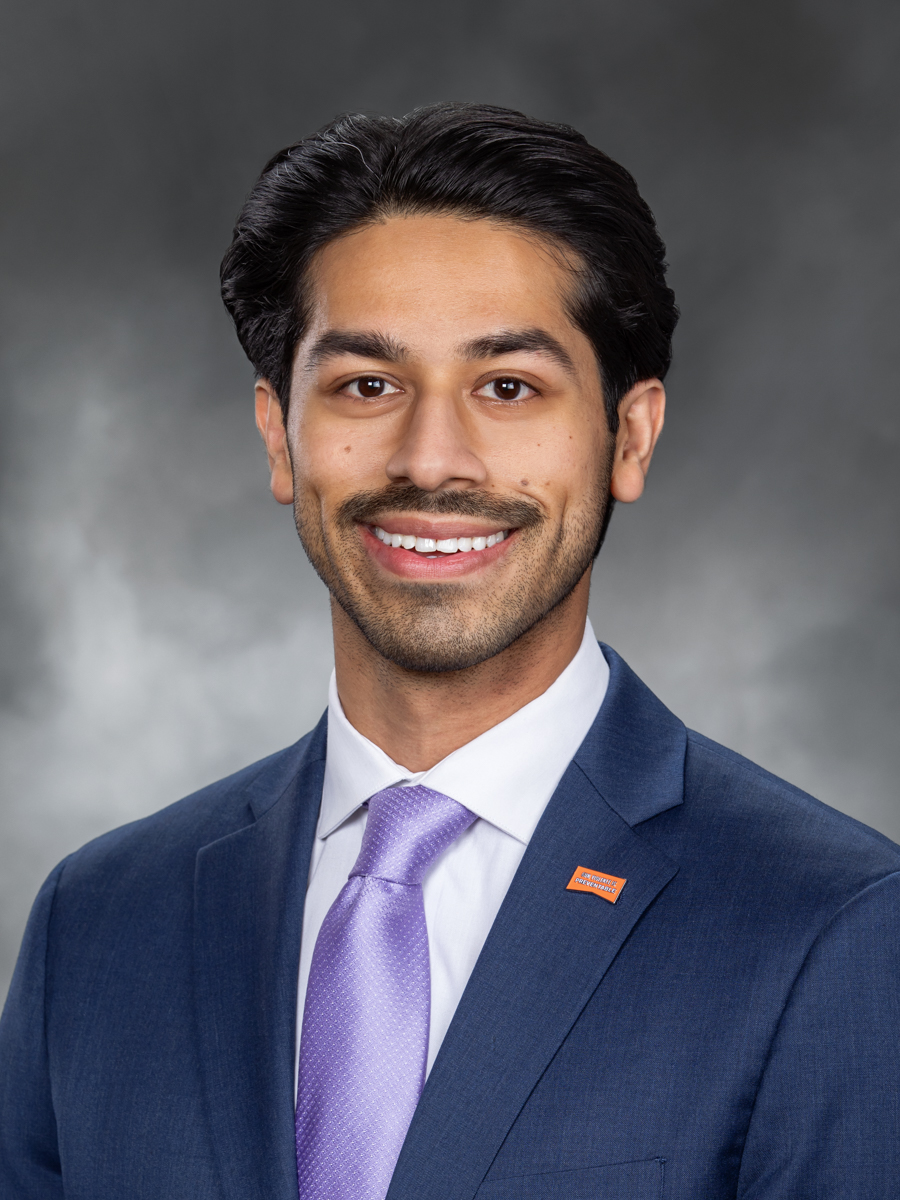
Rep. Osman Salahuddin
Sponsored bills
Maddy summaryThis bill is a ceremonial resolution honoring Seattle Mariners catcher Cal Raleigh for his 2025 MLB achievements, including setting a record for home runs by a catcher (60) and winning the Home Run Derby as the first switch-hitting catcher. It recognizes his role in helping the Mariners win their first division title since 2001 and his awards like the Silver Slugger and Players' Choice Player of the Year. The resolution formally expresses the Washington State House of Representatives' appreciation and transmits copies to Raleigh, the Mariners organization, and MLB. As a symbolic gesture, it does not create new laws or affect policy.
Maddy summaryThis resolution formally acknowledges Washington state's longstanding relationship with Ireland, highlighting longstanding ties like the Seattle-Galway sister city partnership (since 1986) and over $1 billion annually in trade across technology, agriculture, and other sectors. It does not create new laws, policies, or funding - only serves as a symbolic gesture of recognition by the Washington state House of Representatives. The resolution was introduced and adopted on February 9, 2026, with no direct impact on residents, businesses, or government operations. As a ceremonial resolution, it focuses on affirming existing partnerships rather than implementing concrete policy changes.
Maddy summaryThis is a ceremonial resolution (not a law) passed by the Washington State House of Representatives. It formally acknowledges and celebrates the Lunar New Year as a cultural milestone, highlighting the contributions and historical experiences of Asian American, Native Hawaiian, and Pacific Islander communities in Washington. The resolution references Washington's 2024 recognition of Lunar New Year as a state-recognized holiday and emphasizes the importance of honoring cultural heritage and inclusion. It does not create new policies or funding but serves as a symbolic statement affirming community value.
Maddy summaryThis is a ceremonial House resolution (not a legislative bill) recognizing the Girl Scouts of Western Washington, Girl Scouts of Eastern Washington and Northern Idaho, and Girl Scouts of Oregon and Southwest Washington councils. It formally acknowledges their historical mission since 1912, their role in developing leadership and civic skills for over 50 million members nationwide, and their impact on youth development through after-school programs. The resolution has no policy changes or funding provisions - it serves solely to honor the organization's contributions to youth leadership and community engagement. Adopted unanimously on February 9, 2026, it is a symbolic gesture with no legal effect.
Maddy summaryHB 2307 updates definitions related to Washington's commute trip reduction program. It removes specific time references (like "6:00 a.m. to 9:00 a.m.") from key terms such as "commute trip" and "peak period," replacing them with broader language like "during the peak period." This primarily affects major employers (100+ employees at a single worksite), cities with traffic congestion thresholds, and regional transportation planning organizations administering the program. The bill refines existing definitions to align with current transportation data methods without creating new requirements.
Maddy summaryHB 2224 allows cities and towns in Washington to create fire protection districts with boundaries matching their city limits, subject to voter approval. It requires cities to include detailed financing plans in their proposals, showing how property taxes or special fees will be used and how they will impact existing city tax levies. For districts formed before July 1, 2026, cities must reduce their own property tax levies by the amount the new district imposes; for districts formed after that date, cities must stay within specific tax rate limits. The bill also mandates public hearings and specifies ballot language requirements for voter approval. This directly affects local governments creating districts and property owners through potential tax changes.
Maddy summaryHB 2597 creates a legal remedy for people whose constitutional rights are violated during civil immigration enforcement actions in Washington, such as detention, questioning, or removal by government officials. It allows victims to sue for damages and seek attorney fees if they win their case, with lawsuits required to be filed within two years of the violation. The law specifically applies to actions taken "under color of law" during immigration enforcement, covering both immigrants and U.S. citizens within Washington's jurisdiction. It aligns with federal constitutional protections but does not override existing defenses like sovereign immunity.
Maddy summaryHB 2397 requires the Washington State Patrol to create procedures ensuring state agencies and local jurisdictions (like counties or cities) that are mobilized under the state fire services plan for wildfire response receive reimbursement within 60 days. This replaces the vague "as timely as possible" standard with a specific deadline, using documentation requirements from the fire services plan. The bill mandates collaboration with the Office of Financial Management and the Washington Military Department to establish these reimbursement processes. It directly affects fire service agencies and local governments that deploy resources during wildfire incidents.
Maddy summaryThis bill (HB 2278) allows Washington counties or cities to continue imposing an additional $3 per night charge on hotel stays within designated tourism promotion areas. It directly affects lodging businesses operating in these areas, requiring 60% of local businesses to sign off on the fee before implementation. The legislation amends RCW 35.101.057 to permit this charge (on top of an existing $2 fee), mandates that proposed revenue uses be detailed, and specifies the fee expires July 1, 2027. The bill aims to sustain tourism sector growth by enabling continued funding for tourism promotion projects through this lodging fee.