

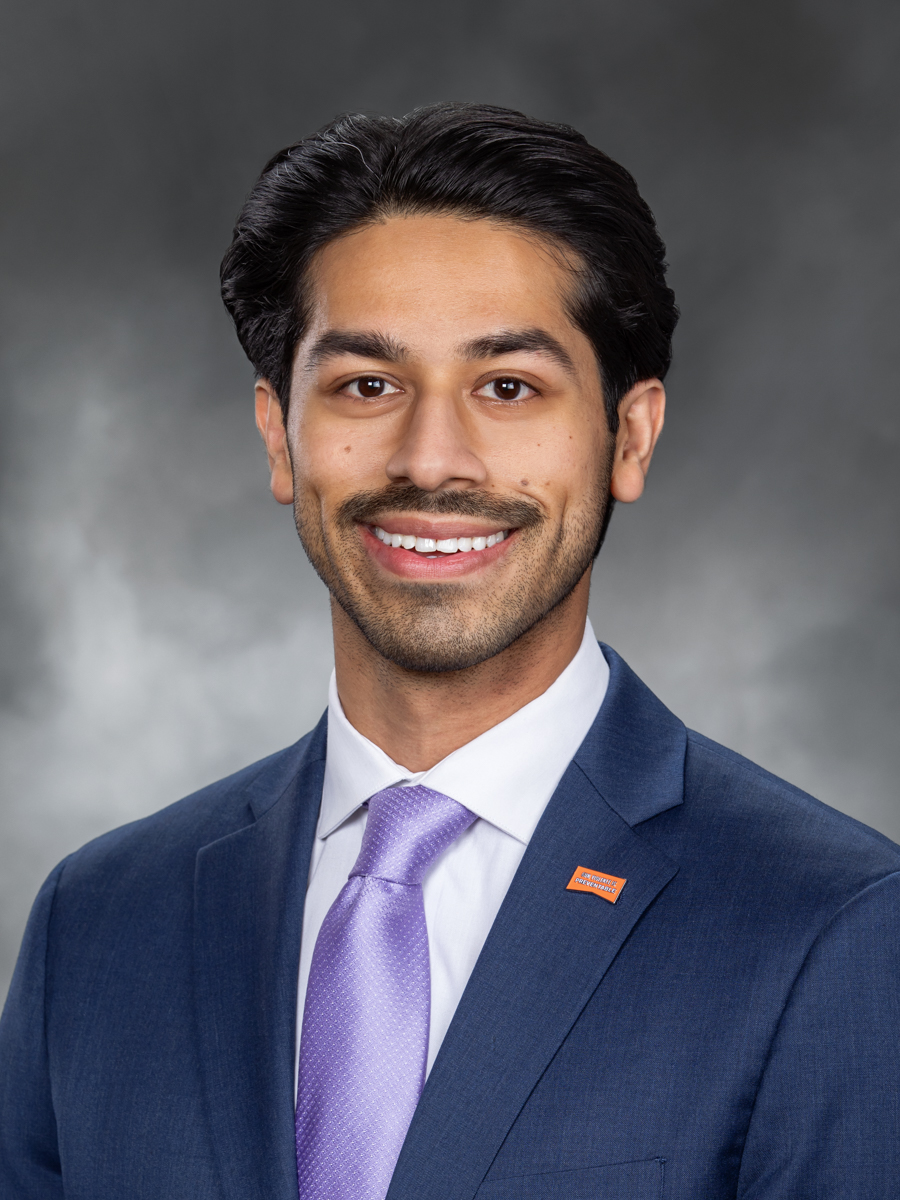
Photo of Osman Salahuddin
D Washington House · District 48 On the 2026 ballot

Rep. Osman Salahuddin

Compare
Total votes
1,201
all sessions
Attendance
99%
7 missed
Near the chamber average
With party
98%
of cast votes
Near the chamber average
Bipartisan score
1%
crosses aisle rarely
Near the chamber average
Sponsored
317
bills & resolutions
Higher than 82% of chamber peers
Committees
4
assignments
317 bills and resolutions

Sponsored bills

Total
317
Primary
29
Co-sponsor
288
This page
317
matching current filters
Co-sponsor HB 2455
In committee · Washington House · Co-sponsor
Creating a housing assistance pilot program for youth enrolled in extended foster care.

Maddy summaryHB 2455 creates a two-year housing assistance pilot program for up to 50 youth in Washington's extended foster care system who are homeless or at imminent risk of homelessness. The program provides rental assistance covering up to 24 months (until age 21), with participants paying no more than 30% of their income toward rent, based on local fair market rent. It requires the Department of Children, Youth, and Families to conduct transition planning for youth turning 21 and mandates a 2029 report detailing program outcomes, participant demographics, and costs by county. The bill directly affects youth aged 18-21 in extended foster care who face housing instability while navigating federal housing programs.

In committee Jan 28, 2026 1 co-sponsor
Co-sponsor HR 4675
Passed · Washington House · Co-sponsor
Honoring the Washington National Guard.

Maddy summaryHouse Resolution 4675, adopted on January 28, 2026, is a ceremonial resolution expressing the Washington State House of Representatives' gratitude to the Washington National Guard for their service. It specifically acknowledges the Guard's roles in emergency response (including flood operations and search-and-rescue missions), disaster recovery efforts (like adapting from the Oso landslide), and national defense support (such as aerial refueling capabilities). The resolution directs copies to the Adjutant General, Governor, and other officials but does not create new laws or alter policies. It directly honors National Guard members, their families, and employers without imposing any financial or operational requirements.

Passed Jan 28, 2026 1 co-sponsor
Co-sponsor HB 2243
In committee · Washington House · Co-sponsor
Including physical and occupational therapists as attending providers for workers' compensation.

Maddy summaryHB 2243 adds physical and occupational therapists to the list of authorized "attending providers" for workers' compensation claims in Washington State. The bill amends statutes (RCW 51.08.200, 51.28.010, and others) to explicitly include these professionals, alongside physicians and other licensed providers, when treating injured workers. This change directly affects injured workers who require physical or occupational therapy, allowing them to receive care from these specialists under workers' compensation. The law updates provider eligibility requirements and reporting procedures to reflect this expansion, ensuring therapists are recognized in the claims process.

In committee Jan 28, 2026 1 co-sponsor
Co-sponsor HB 2117
In committee · Washington House · Co-sponsor
Adding a tribal member to the board of natural resources.

Maddy summaryHB 2117 adds a seventh member to Washington's Board of Natural Resources, specifically a tribal representative appointed by the governor from federally recognized tribes in the state. The bill amends the board's composition to include this position, requiring the governor to consult with tribes during appointments and ensuring the representative serves a four-year term starting July 1, 2026. This change directly affects the board's decision-making process on natural resource management and requires collaboration with tribal nations. The bill aims to incorporate tribal perspectives and expertise into state forestland and natural resource policies.

In committee Jan 27, 2026 1 co-sponsor
Co-sponsor HB 2183
In committee · Washington House · Co-sponsor
Requiring counties to develop and implement heat response plans.

Maddy summaryHB 2183 requires all Washington counties to create and adopt extreme heat response plans by July 1, 2027. Each plan must include immediate response strategies, long-term adaptation measures (like building upgrades and cooling assistance), and specific protections for vulnerable groups including seniors, outdoor workers, low-income households, and children. Counties must also establish tribal partnerships, public education programs, medical emergency protocols, and systems to track heat-related illnesses. Existing plans meeting these standards are exempt from the 2027 deadline, and counties must review plans during regular comprehensive plan updates.

In committee Jan 27, 2026 1 co-sponsor
Co-sponsor HB 2099
In committee · Washington House · Co-sponsor
Expanding access to the early childhood education and assistance program for military families.

Maddy summaryHB 2099 expands Washington State's early childhood education and childcare assistance program to include military-connected children who don't qualify under standard eligibility rules. It creates a new pathway for children from military families (active duty, reserves, or National Guard members stationed or residing in Washington) with family incomes above 50% but below the maximum for Working Connections childcare, as long as space and funding are available. The bill requires prioritization of these children using the same existing risk-factor system that considers income, child welfare involvement, domestic violence, and other factors linked to school readiness. This new category does not count toward the state's existing entitlement program, and the changes expire on August 1, 2030.

In committee Jan 27, 2026 1 co-sponsor
Co-sponsor HB 2182
In committee · Washington House · Co-sponsor
Improving access to abortion medications.

Maddy summaryHB 2182 authorizes Washington's Department of Health to directly acquire, distribute, and dispense abortion medications (like mifepristone and misoprostol) to healthcare providers and entities offering reproductive care, including abortion services. The bill creates a state-run program to prioritize bulk distribution to clinics and hospitals, allowing the department to sell medications at cost (plus a $5 per dose fee for secure handling) or free in 2025, with revenues going to the general fund. This directly affects healthcare providers who can now receive these medications through the state program and patients seeking abortion care. The law exempts the department from needing a wholesaler's license for these activities under specific state laws.

In committee Jan 27, 2026 1 co-sponsor
Co-sponsor HB 2190
In committee · Washington House · Co-sponsor
Concerning language access providers' collective bargaining.

Maddy summaryHB 2190 grants language access providers (like interpreters for state agencies) the right to collectively bargain with the governor as their employer, but only for specific services. It creates three statewide bargaining units: one for health/social services appointments, one for workers' compensation/crime victims, and one for other state agency services. Bargaining is limited to pay, training, grievance procedures, and benefits - excluding retirement - and requires the governor to request funding approval from the legislature for any agreement. The bill clarifies these providers are not state employees for other purposes and includes strict budget processes for implementing agreements.

In committee Jan 27, 2026 1 co-sponsor
Co-sponsor HB 2657
In committee · Washington House · Co-sponsor
Establishing an abortion savings program.

Maddy summaryHB 2657 establishes an abortion savings program funded by an annual assessment on health carriers. Health carriers must pay $0.82 per coverage month in 2027 (then $0.165 annually), with revenues deposited into a dedicated account. The program provides grants to eligible organizations offering direct patient abortion clinical care services, prioritizing access for individuals without sufficient resources where federal funding is prohibited. Strict privacy protections prevent disclosure of identifying information for staff, providers, or patients receiving services, and all grant funds must be used solely for approved abortion care. The bill directly affects health carriers through the assessment and abortion care providers through grant eligibility.

In committee Jan 26, 2026 1 co-sponsor
Co-sponsor HB 2349
In committee · Washington House · Co-sponsor
Providing community notification regarding the release or discharge of sexually violent predators.

Maddy summaryHB 2349 requires Washington state agencies to provide written community notification 3 months before releasing or discharging individuals classified as sexually violent predators. It mandates that agencies share detailed records (including institutional history, mental health evaluations, and criminal history) with local law enforcement, county officials, legislators, and victims (if they request it) prior to release. The bill directly affects counties, law enforcement, and victims by requiring timely disclosure of release dates and relevant background information. Key provisions include standardized notification to sheriffs, county administrators, legislators, and law enforcement via the Washington Crime Information Center, ensuring consistent community awareness. This focuses on procedural transparency rather than altering commitment standards or penalties.

In committee Jan 26, 2026 1 co-sponsor
Showing 111 to 120 of 317 bills
Previous 1 … 11 12 13 … 32 Next