

Maddy summaryHB 2122 requires Washington hospitals to offer annual flu vaccinations to two specific patient groups: adults 65 or older, and any patient (regardless of age) with a chronic health condition. This applies each year from October 1 to March 1, beginning July 1, 2027, unless the vaccine is unavailable at the hospital or the immunization is medically unsafe for the patient. Hospitals are exempt during declared state emergencies or disasters, and critical access hospitals certified under federal law are also excluded. The law focuses on expanding access to flu shots for high-risk patients during peak flu season through a straightforward hospital offering requirement.
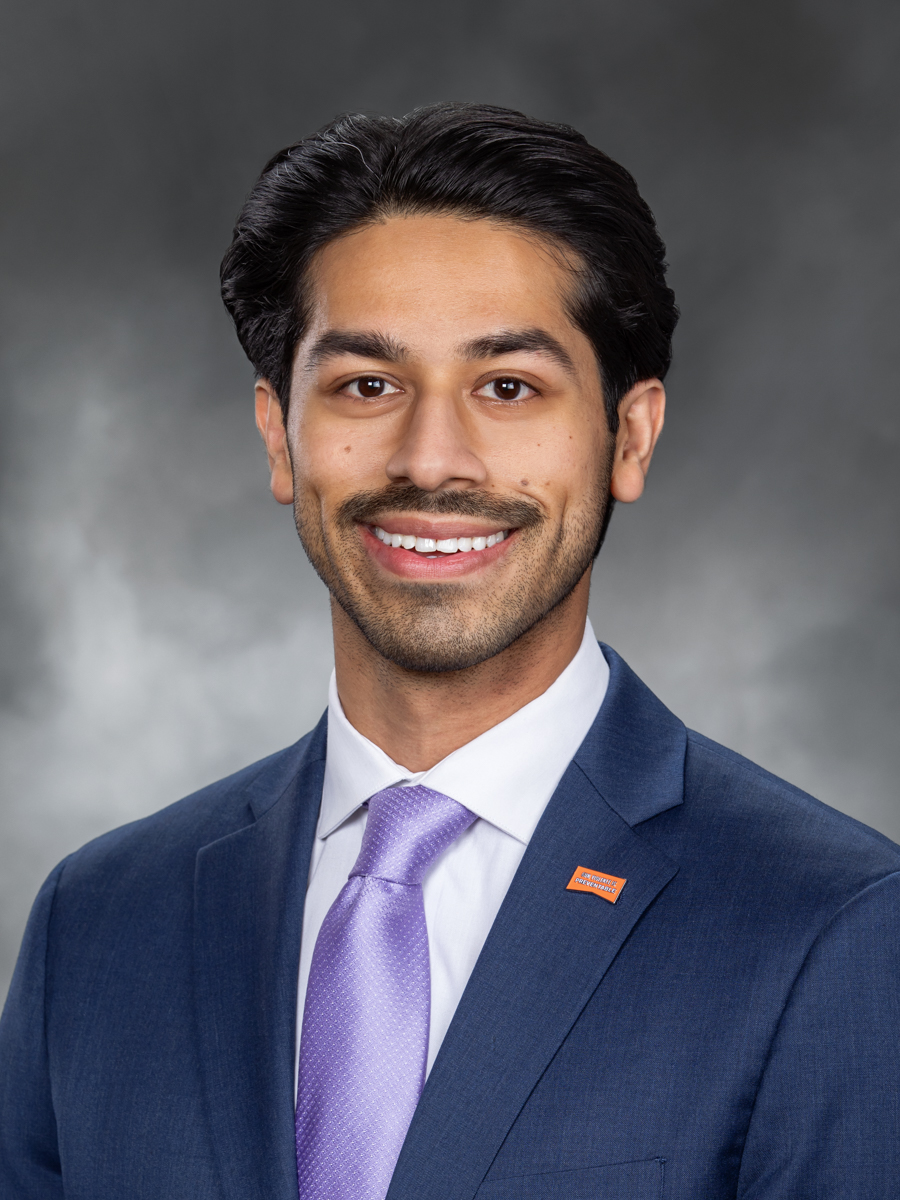
Rep. Osman Salahuddin
Sponsored bills
Maddy summaryHB 2651 allows Washington's Attorney General or county prosecutors to direct the state patrol to collect and securely retain digital evidence identifying federal agents accused of misconduct, such as location data, cell tower records, or facial recognition information. It applies to federal law enforcement officers and Department of Homeland Security contractors accused of misconduct like excessive force, assault, or constitutional rights violations. Complainants can only access this digital evidence through a court order in a related civil rights or criminal case. The bill establishes a clear process for gathering and limiting access to this data, focusing on factual evidence for accountability.
Maddy summaryHB 2326 establishes rules for property tax levies to fund emergency medical services (EMS) in Washington State. It allows counties, cities, emergency medical districts, and fire authorities to impose up to $0.50 per $1,000 in property value for up to 10 years or permanently, requiring voter approval (a 3/5 majority of registered voters) for initial or permanent levies. Funds must be used exclusively for EMS services, including personnel, equipment, and training, with separate accounting and public reporting required. The bill prohibits overlapping levies within the same geographic area and sets specific rules for countywide implementation, including requiring approval from 75% of cities over 50,000 population.
Maddy summaryHB 2173 prohibits Washington law enforcement officers from wearing facial coverings (like balaclavas or ski masks) during routine public interactions, while allowing exceptions for active undercover operations and protective gear used by specialized units like SWAT teams. The bill defines "facial covering" to exclude medical masks, helmets, and clear face shields. It also establishes that individuals detained in violation can sue officers for financial compensation, attorney fees, or other court-ordered remedies. The law applies to all "peace officers" as defined under state law during standard public duties.
Maddy summaryHB 2260 requires signature gatherers (people collecting signatures for ballot initiatives) to sign a declaration on each petition sheet confirming they verified each signer's identity, address, and that no one was paid to sign. It also mandates matching petitioners' addresses to their voter registration records to prevent fraud. These changes aim to improve signature verification accuracy by ensuring addresses on petitions match registration data, reducing errors in validating signatures. The bill aligns with requirements in other states like Idaho and California and responds to issues where unsigned declarations and missing addresses led to potential signature validation errors.
Maddy summaryHB 2259 requires initiative and referendum proponents to gather at least 1,000 valid signatures from Washington voters *before* filing a measure with the secretary of state, aiming to prevent duplicate filings and ensure minimum public support. It also bans paying signature gatherers based on the number of signatures collected - a practice linked to documented fraud in past measures like 2008’s Initiative 985 and 2012’s Initiative 1185. The bill mandates these changes to protect ballot integrity, citing evidence that per-signature compensation incentivizes forged or duplicate signatures. These provisions apply directly to ballot measure sponsors, circulators, and state offices processing petitions, aligning with similar laws in Oregon and Montana.
Maddy summaryHB 2275 establishes a Washington wildfire prevention and protection fund and council to address wildfire risks. The fund, financed by mandatory contributions from electric utilities, will compensate victims of utility-caused wildfires (referred to as "covered wildfires") and support forest health projects like hazardous fuel reduction and community hardening. The 15-member council - comprising state agencies, tribes, utilities, and local governments - will manage the fund, set mitigation priorities, and ensure accountability. This bill directly affects wildfire victims (including homeowners, tribes, and businesses), electric utilities, and state agencies responsible for wildfire response and prevention.
Maddy summaryHB 2332 regulates how Washington state and local agencies use automated license plate reader (ALPR) systems to protect driver privacy. It requires all agencies using ALPRs to register systems with the Attorney General, limits their use to specific purposes (like checking stolen vehicles or missing persons), and prohibits collecting data near healthcare facilities, schools, or places of worship. The bill mandates detailed audit trails tracking every system access and explicitly bans using ALPRs for immigration enforcement or stopping vehicles based solely on a system match. Agencies must develop policies for ALPR use and obtain independent reasonable suspicion before stopping a vehicle, ensuring privacy rights under state and federal law.
Maddy summaryThis House Resolution (HR 4666) formally recognizes Mia Hamant, a University of Washington women's soccer goalkeeper who passed away after battling stage 4 cancer. It commends her courage and spirit during her time with the team and her impact on the Husky community. The resolution also congratulates the 2025 UW women's soccer team for winning the Big Ten regular season and tournament titles, reaching the NCAA Elite Eight, and setting program records. As a commemorative resolution, it has no legal effect and serves only to honor Hamant and the team's achievements.
Maddy summaryHB 2237 requires the Washington State Fire Marshal's Office (SFMO) to set deputy state fire marshal salaries competitive with local fire departments, using a specific salary survey. It mandates the Office of Financial Management to compare compensation (including base pay, premiums, education, and longevity pay) against seven major local agencies like Seattle and Spokane fire departments, updating this comparison every four years starting September 2026. The bill also directs the State Fire Service Policy Board to examine whether the SFMO should operate independently from the state patrol, reporting by December 2026. This aims to address staffing shortages caused by lower SFMO pay compared to local departments.