

Maddy summaryHB 2351 strengthens protections for emergency responders in Washington by expanding the definition of "obstruction" to cover firefighters, EMTs, and other emergency personnel during active incidents. It makes it a gross misdemeanor to willfully hinder these responders when they are identifiable as such, with specific provisions allowing defense if a mental health crisis was involved. The bill also prohibits local government agencies (cities, counties, and emergency command systems) from using public funds to investigate or assist federal programs targeting emergency responders based on immigration status, race, religion, or national origin - except for required legal compliance or non-immigration-related duties. These changes apply to all emergency responders as defined in the law, effective January 1, 2027.
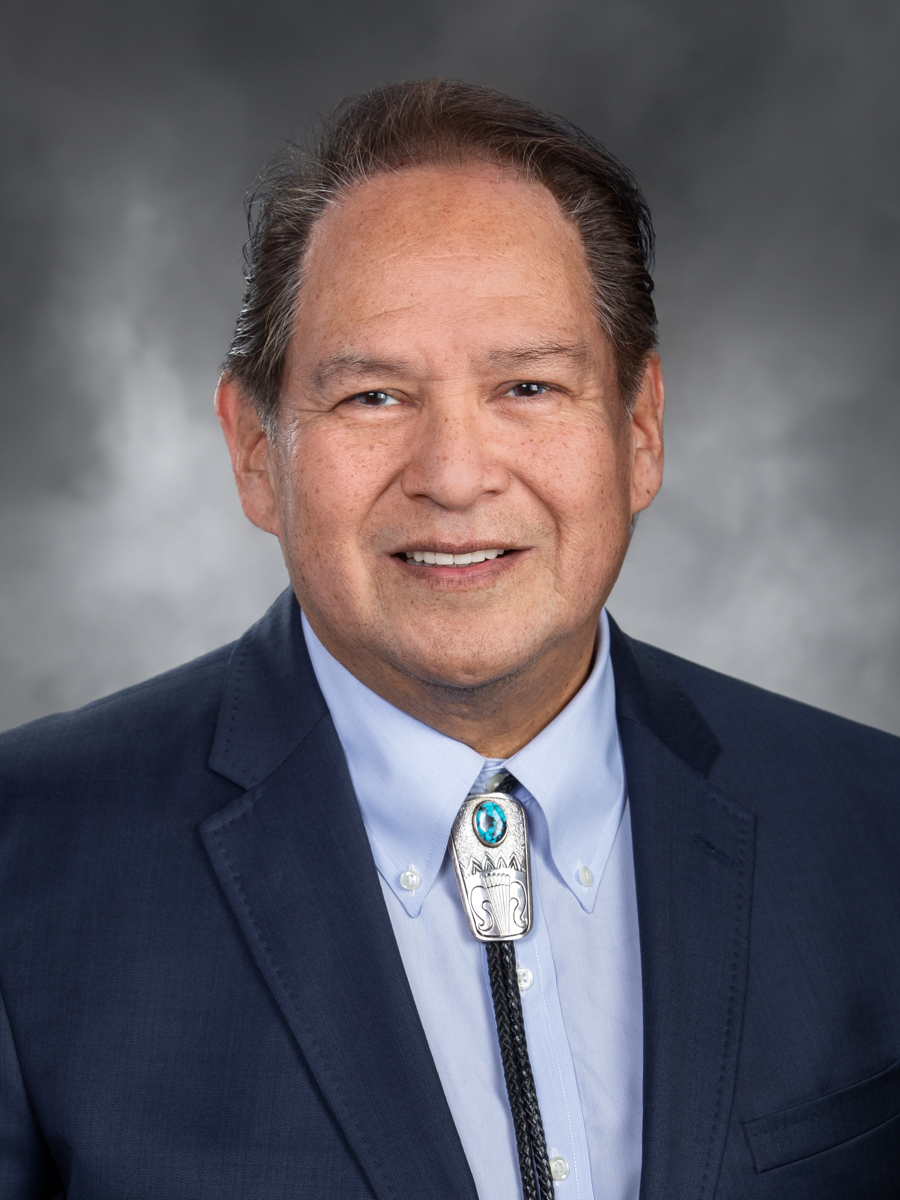
Rep. Chris Stearns
Sponsored bills
Maddy summaryWashington State's HB 2157 regulates high-risk artificial intelligence systems that make consequential decisions affecting major life areas like housing, employment, healthcare, loans, and education. It applies to developers (with over $100,000 annual revenue) and deployers operating in Washington who use AI systems for these decisions. The law prohibits algorithmic discrimination - unlawful bias based on protected characteristics - and requires systems to be designed and tested to prevent such outcomes, while excluding research activities and certain facial recognition uses.
Maddy summaryHB 2205 expands Washington's regulated sports wagering industry by allowing tribal casinos to offer sports betting under existing gaming compacts. The bill defines sports wagering to include professional, collegiate, Olympic, and esports events (excluding minor leagues and individual collegiate athletes in-state), while requiring tribal compacts to address licensing, regulation, and problem gambling. It permits internet betting only when customers are physically present at tribal facilities, and clarifies that tribal sports wagering is authorized bookmaking exempt from certain penalties. This directly affects federally recognized tribes in Washington operating under gaming compacts.
Maddy summaryThis bill is a ceremonial resolution (HR 4691) adopted by the Washington State House of Representatives on February 16, 2026. It formally commends the contributions of U.S. presidents, specifically highlighting George Washington and Abraham Lincoln's roles in establishing freedom and ending slavery, and recognizes the third Monday in February as Presidents' Day. The resolution does not create new laws or affect any individuals or policies; it solely expresses the House's symbolic honor for presidential legacies. It directly affects no one but serves as a formal statement of recognition by the state legislature.
Maddy summaryThis is a ceremonial resolution (not substantive legislation) passed by the Washington state House of Representatives. It formally congratulates the Seattle Seahawks football team for winning the 2025 NFL regular season, NFC West Division championship, and Super Bowl 60. The resolution specifically recognizes their 14-3 record, defensive dominance, key player achievements (including MVP Kenneth Walker III), and community contributions. It has no legal effect beyond expressing the House's recognition and appreciation to the team organization.
Maddy summaryThis resolution formally acknowledges Washington state's longstanding relationship with Ireland, highlighting longstanding ties like the Seattle-Galway sister city partnership (since 1986) and over $1 billion annually in trade across technology, agriculture, and other sectors. It does not create new laws, policies, or funding - only serves as a symbolic gesture of recognition by the Washington state House of Representatives. The resolution was introduced and adopted on February 9, 2026, with no direct impact on residents, businesses, or government operations. As a ceremonial resolution, it focuses on affirming existing partnerships rather than implementing concrete policy changes.
Maddy summaryHB 2597 creates a legal remedy for people whose constitutional rights are violated during civil immigration enforcement actions in Washington, such as detention, questioning, or removal by government officials. It allows victims to sue for damages and seek attorney fees if they win their case, with lawsuits required to be filed within two years of the violation. The law specifically applies to actions taken "under color of law" during immigration enforcement, covering both immigrants and U.S. citizens within Washington's jurisdiction. It aligns with federal constitutional protections but does not override existing defenses like sovereign immunity.
Maddy summaryHB 2145 prohibits drug manufacturers from restricting how 340B-covered safety net providers (like community health centers, HIV clinics, and tribal health centers) access discounted medications. It specifically bans manufacturers from denying or limiting delivery of 340B drugs to these providers or their contracted pharmacies, and prevents them from requiring data sharing as a condition for drug access. The law allows covered entities to sue violators for up to $5,000 per day per violation and requires penalties for noncompliance. This directly protects low-income patients who rely on affordable medications through Washington's safety net providers.
Maddy summaryHB 2481 bans grocery stores from using computer systems to charge different prices based on personal data like shopping habits, location, or inferred characteristics (e.g., income or race). It also requires a four-year temporary pause on all electronic shelf label systems that could collect consumer data from devices to adjust prices. The law directly affects grocery retailers using dynamic pricing technology, exempting small businesses. It aims to ensure prices remain fair and transparent, preventing personalized pricing without clear disclosure. The bill defines key terms like "inferred data" and "electronic shelf label systems" to clarify these prohibitions.
Maddy summaryThis is a House Resolution (not a law), introduced and adopted by the Washington State House of Representatives. It formally recognizes the importance of reflecting on the history of Chinese American exclusion in Washington state, including the Chinese Exclusion Act of 1882, the Tacoma and Seattle riots of 1885-1886, and ongoing discrimination. The resolution aims to promote education about this history and honor the contributions of Chinese Americans to Washington's cultural and civic life. It serves as a symbolic commitment to remembering this chapter of state history for public awareness and remembrance.