

Maddy summaryHB 2499 modernizes election procedures for conservation district supervisors in Washington by extending their terms from three to four years and requiring financial disclosures from both current supervisors and candidates. The bill amends state laws to adjust election timing, term assignments (such as awarding the top vote-getter a four-year term in initial elections), and voting rules, while mandating transparency through financial disclosures. This directly affects conservation districts and their supervisors, updating outdated election processes to increase accountability in local governance.
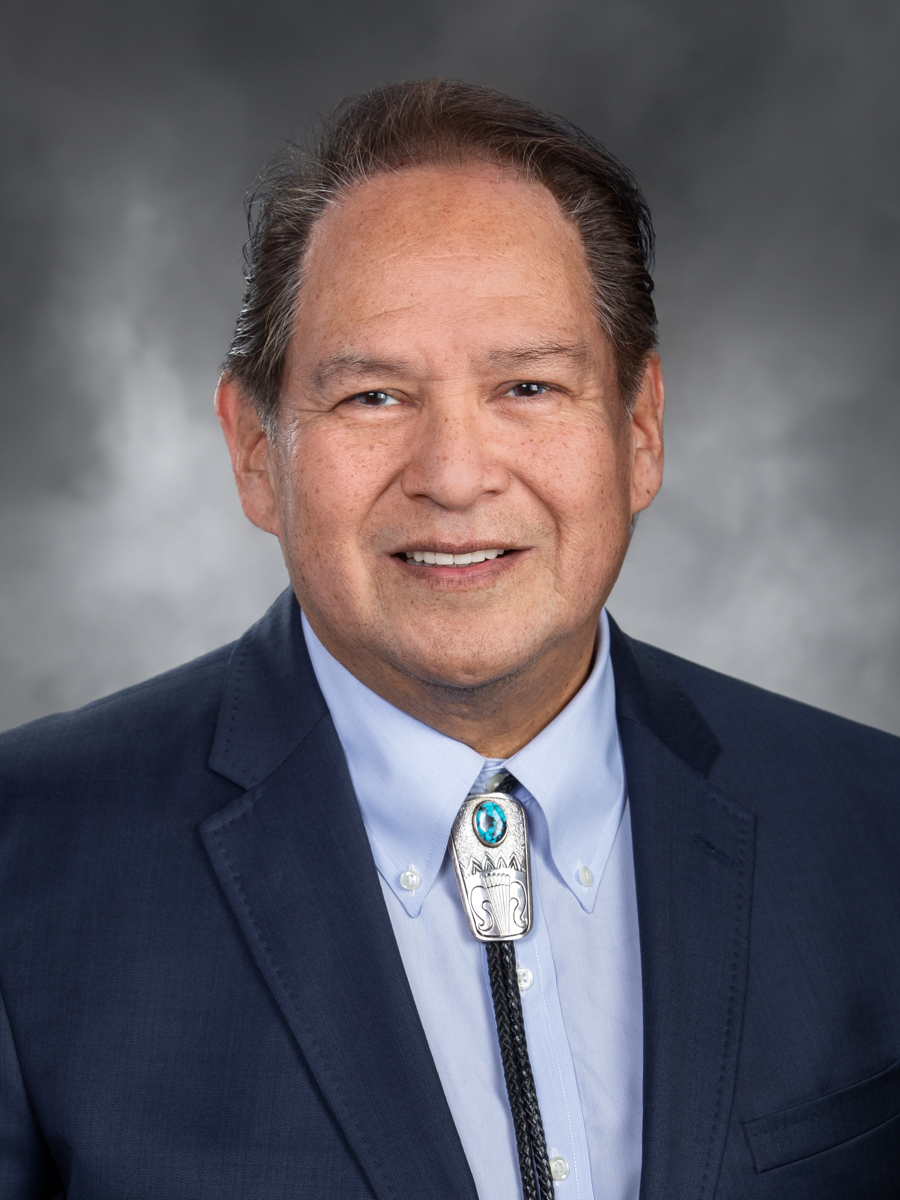
Rep. Chris Stearns
Sponsored bills
Maddy summaryHB 2144 requires Washington employers to provide written notice to employees before using electronic monitoring (such as AI tools, cameras, or software) to assist in performance evaluations. Employers must give at least 30 days' notice before starting new monitoring, 60 days for existing monitoring, and notify new hires at the time of the job offer. The notice must explain how monitoring is used (e.g., tracking productivity) and how data is verified. Violations can result in Department of Labor investigations and civil penalties up to $5,000 for willful violations, with enforcement applying to all employers in Washington state.
Maddy summaryHB 2724 proposes a new tax on Washington residents with annual adjusted gross income of $1 million or more, affecting approximately the top 0.5% of households. The tax revenue would be deposited into the state general fund to support K-12 education, health care, higher education, human services, and the working families' tax credit. Key provisions include exempting sales of family-owned small businesses and real property from the tax, aligning the state definition of taxable income with federal rules (modified for state purposes), and reducing other taxes like sales tax on essential items. The bill aims to make the state tax system less regressive by shifting more burden to high earners while maintaining current tax rates for lower-income residents.
Maddy summaryHB 2555 requires Washington's Health Care Authority to apply for a federal waiver by July 1, 2026, to expand Medicaid coverage for "traditional health care practices" delivered through specific providers. These practices include culturally rooted care methods used by American Indian and Alaska Native communities. Coverage would be available only to Medicaid beneficiaries receiving services at Indian Health Service facilities, tribally operated facilities under federal law, or urban Indian organizations. The bill does not change existing Medicaid eligibility but mandates a federal waiver process to include these services under state Medicaid plans.
Maddy summaryHB 2572 requires county auditors to hold annual meetings with Washington Indian tribes to plan voting centers and ballot drop boxes on reservations, with specific deadlines for discussions (August 1 and September 1 in odd-numbered years). It creates an electronic ballot return system for military, overseas, disabled voters, and tribal members residing on reservations, mandating secure online submission with annual portal approval and strict security standards. The bill also establishes a work group to advise on the system's implementation, with all provisions needing full adoption by January 1, 2029. This directly affects tribal governments, county election offices, and the specified voter groups by improving access to voting services.
Maddy summaryHB 2526 redefines "patronizing a person for prostitution" as a crime targeting individuals who pay for sexual activity, with penalties escalating based on prior offenses (gross misdemeanor for first offense, class C felony for two or more prior convictions after April 1, 2026). It imposes mandatory fees on convicted individuals or those entering reduced charges/diversion agreements: $3,000 for first offenses, $5,000 for one prior offense, and $10,000 for two or more prior offenses. Ninety-eight percent of these fees must fund community-based survivor-led services like mental health counseling, housing, and job training, while 2% goes to the Department of Commerce for reporting. The bill also requires courts to establish payment plans for those unable to pay in full and prohibits fee waivers without documented inability to pay.
Maddy summaryThis bill prohibits licensed mental health professionals in Washington from using artificial intelligence to independently make therapeutic decisions, directly interact with clients, generate treatment plans, or detect client emotions. It allows AI use only for administrative tasks like scheduling or billing, and for supplementary support like note-taking only with explicit written consent from the client. The legislation defines specific categories of permitted versus prohibited AI use to maintain human oversight in therapy and psychotherapy services. Violations of these rules could result in professional discipline for licensed practitioners. The bill aims to protect consumers from unregulated AI tools while preserving appropriate AI assistance under professional supervision.
Maddy summaryThis resolution formally acknowledges the strong economic, cultural, and political ties between Washington State and the Province of Québec. It highlights Québec’s $850 million in bilateral trade with Washington in 2024, Québec-based business investments across the state, and shared expertise in sectors like clean technology and AI. The resolution does not create new laws or funding; it solely serves as a symbolic recognition of existing partnerships through a formal statement by the Washington State House of Representatives.
Maddy summaryHB 2573 requires supermarkets, full-service grocery stores, and pharmacies to provide advance notice of closures or major operational changes to local governments and the public. Specifically, these businesses must give six months' notice for general areas and one year's notice in "overburdened communities" (defined under Chapter 70A.02 RCW), including posting notices in primary languages spoken by 5% of residents. Local governments must include these notices in land use permits and public outreach, and can use zoning tools to prioritize redeveloping vacant properties for these essential services. The bill aims to prevent "food and pharmacy deserts" by ensuring continued access to healthy food, medicine, and health services in communities planning for increased density, affordable housing, and transit-oriented development.
Maddy summaryHouse Bill 1622 allows public sector employees in Washington state to collectively bargain with their employers over the use of artificial intelligence (AI) in the workplace. The bill amends existing state law to remove the "use of technology" from a list of management rights that are typically not subject to negotiation for employees in higher education and other state agencies. It defines artificial intelligence as machine learning and related technologies that enable computer systems to perform tasks like computer vision or natural language processing. This change empowers unions and public employers to negotiate agreements on the implementation and utilization of AI technologies.