

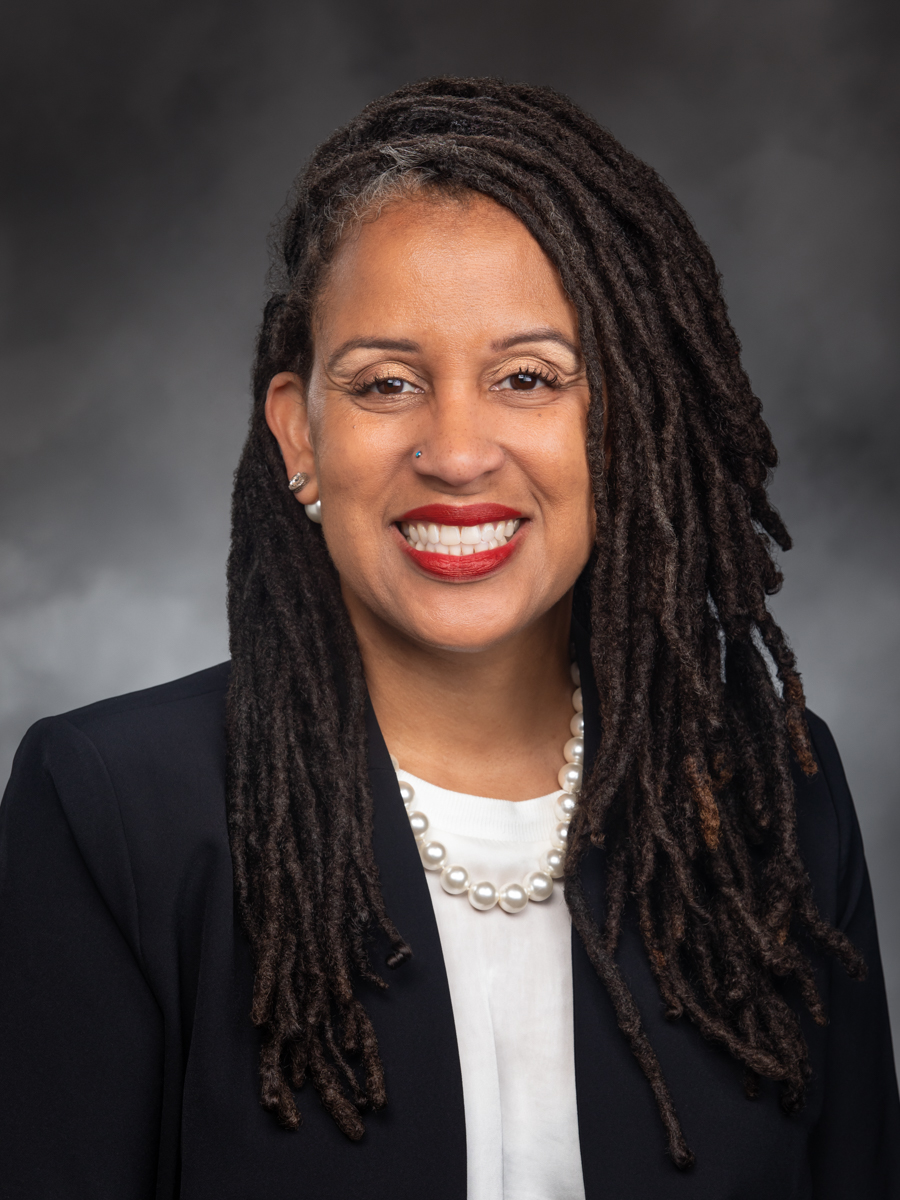
Photo of April Berg
D Washington House · District 44 On the 2026 ballot

Rep. April Berg

Compare
Total votes
3,509
all sessions
Attendance
100%
16 missed
Near the chamber average
With party
99%
of cast votes
Higher than 81% of chamber peers
Bipartisan score
0%
crosses aisle rarely
Lower than 83% of chamber peers
Sponsored
401
bills & resolutions
Near the chamber average
Committees
3
assignments
401 bills and resolutions

Sponsored bills

Total
401
Primary
48
Co-sponsor
353
This page
401
matching current filters
Co-sponsor HB 2366
In committee · Washington House · Co-sponsor
Concerning school board compensation.

Maddy summaryHB 2366 raises the daily compensation for Washington school board members from $50 to $100 (capping annual pay at $13,750, with excess pay over $3,000 requiring specific board approval). It requires school districts to cover training costs for board members on funding and finance, mandating all current and new directors to complete this training within one year of their term. The bill also establishes automatic annual cost-of-living adjustments for compensation based on the consumer price index. School districts must fund these changes using local tax revenue, and the training program provisions depend on specific budget appropriations by June 2026.

In committee Jan 12, 2026 1 co-sponsor
Co-sponsor HB 2277
In committee · Washington House · Co-sponsor
Concerning wildfire risk models and score disclosure.

Maddy summaryHB 2277 requires insurers in Washington to disclose wildfire risk scores and related details to homeowners. Specifically, insurers must provide property owners with their current wildfire risk score, the score range, who created it, when it was generated, and key factors that increased the score - along with actionable steps to improve it - within 15 days of coverage decisions or renewals. The bill also mandates insurers to file wildfire risk models with the insurance commissioner, explain how these models impact premiums, and incorporate property-specific or community wildfire mitigation efforts (like defensible space or forest treatments) into their scoring systems. Homeowners can appeal inaccurate scores, and insurers must respond to appeals within 30 days. This bill directly affects residential property owners in wildfire-prone areas and insurers selling property insurance in Washington.

In committee Jan 12, 2026 1 co-sponsor
Co-sponsor HB 2268
In committee · Washington House · Co-sponsor
Concerning residential mortgage loan escrow accounts.

Maddy summaryHB 2268 requires mortgage servicers to pay borrowers at least 2% simple annual interest on funds held in escrow accounts for residential mortgages (covering one- to four-unit homes) starting January 1, 2027. It prohibits servicers from charging fees that would reduce the effective interest rate below 2%. The law applies only to new mortgages executed on or after the effective date, directly affecting borrowers who maintain escrow accounts and the servicers managing those accounts. This policy change mandates a minimum return on escrow funds, shifting a financial benefit from servicers to borrowers.

In committee Jan 12, 2026 1 co-sponsor
Co-sponsor HB 2147
In committee · Washington House · Co-sponsor
Providing funding for school materials, supplies, and operating costs.

Maddy summaryHB 2147 increases state funding for school materials, supplies, and operating costs in Washington State to address inflation-driven budget shortfalls affecting school districts. It establishes a new funding formula based on prototypical schools (600 high school students, 432 middle school students, 400 elementary students) with specific class size standards (e.g., K-3 at 17 students per teacher) and minimum staffing allocations. The bill requires transparency by mandating the Superintendent of Public Instruction to publish per-pupil funding reports online, which school districts must link to their websites. It also includes targeted provisions for career-technical education, lab science class size reduction, and high-poverty schools with over 50% free/reduced lunch eligibility. The legislation amends existing law (RCW 28A.150.260) to adjust funding allocations based on actual student enrollment and school type.

In committee Jan 12, 2026 1 co-sponsor
Co-sponsor HB 1017
In committee · Washington House · Co-sponsor
Designating kimchi day.

Maddy summaryHB 1017 designates November 22nd as "Kimchi Day" in Washington State, recognizing the cultural significance of kimchi and aligning with similar observances in South Korea and other U.S. states. The bill amends state law to add "The twenty-second day of November, recognized as kimchi day" to a list of non-holiday cultural observances. It does not create a legal holiday or affect work schedules, as these recognized days are explicitly stated to not qualify as paid or unpaid legal holidays under state law. The measure aims to celebrate kimchi’s heritage, citing its UNESCO-recognized preparation process ("kimjang") and health benefits, but has no direct policy impact on residents or businesses.

In committee Jan 12, 2026 1 co-sponsor
Co-sponsor HJM 4003
In committee · Washington House · Co-sponsor
Concerning the United States government joining the global community in formally developing a fossil fuel non-proliferation treaty.

Maddy summaryHouse Joint Memorial 4003 is a non-binding resolution from the Washington State Legislature urging the U.S. government to join international efforts in developing a Fossil Fuel Non-Proliferation Treaty. It calls for ending new fossil fuel exploration and expansion, phasing out existing production in line with climate science, and prioritizing worker and community support during the transition. The memorial aligns with Washington’s existing climate laws, including the Climate Commitment Act and the HEAL Act, which aim to reduce emissions and address environmental health disparities. It directly addresses the U.S. President, Congress, and the United Nations to advance global climate action.

In committee Jan 12, 2026 1 co-sponsor
Co-sponsor HB 1129
In committee · Washington House · Co-sponsor
Concerning health plan coverage of fertility-related services.

Maddy summaryHB 1129 requires most group health plans in Washington to cover fertility preservation services starting January 2026 and infertility diagnosis/treatment starting January 2027. It mandates coverage for two egg retrieval procedures with unlimited embryo transfers (per medical guidelines), prohibits different cost-sharing for fertility services compared to other pregnancy care, and ensures coverage extends to spouses and nonspouse dependents equally. The bill directly affects health insurers and enrollees seeking fertility care, including LGBTQ+ individuals and racial/ethnic minorities who face coverage disparities. Key provisions include banning restrictions on fertility medications and eliminating separate deductibles or waiting periods for these services.

In committee Jan 12, 2026 1 co-sponsor
Primary HB 2023
In committee · Washington House · Lead sponsor
Establishing a work group to study the taxation of investment income under RCW 82.04.4281.

Maddy summaryHB 2023 creates a work group to study how investment income is taxed under Washington's business tax code (RCW 82.04.4281), following a court decision that created uncertainty about whether investment income qualifies for a tax deduction. The bill temporarily blocks the Department of Revenue from taxing investment income for non-financial businesses (e.g., individuals, arts organizations, or pension funds) until July 2026, while requiring the work group to provide legislative recommendations by November 2025. The work group includes representatives from investment firms, arts organizations, pension funds, business associations, and accounting groups. It expires July 1, 2026, for the tax freeze and November 30, 2026, for the work group.

In committee Jan 12, 2026 0 co-sponsors
Co-sponsor HB 1122
In committee · Washington House · Co-sponsor
Restricting mobile device usage by public school students.

Maddy summaryHB 1122 requires Washington public schools to restrict student mobile device use during instructional hours starting in the 2026-27 school year. It directs the state superintendent to report by December 2025 on successful strategies (like time limits or device storage) and exceptions (for emergencies, disabilities, or instructional needs), then mandates school districts to adopt compliant policies based on a state-developed model. The bill aims to reduce classroom distractions and support student mental health, citing research showing smartphones lower test performance by about six percent. It specifically excludes school-issued devices and applies to all public school districts, including charter and tribal schools.

In committee Jan 12, 2026 1 co-sponsor
Co-sponsor HB 1203
In committee · Washington House · Co-sponsor
Prohibiting the sale of certain tobacco and nicotine products.

Maddy summaryHB 1203 prohibits the sale of all flavored tobacco and nicotine products (including fruit, mint, or candy flavors) and entertainment vapor products with gaming features (like Pac-Man) starting January 1, 2026. It directly affects retailers who sell these products and aims to reduce youth vaping, as 88% of youth vapers use flavored products. The bill defines "flavored" broadly to include any non-tobacco taste or cooling sensation, and bans interactive devices that display games or videos. This targets products marketed to youth, such as those with cotton candy flavors or menthol cigarettes, which the bill states contribute to addiction and health disparities in Black and Hispanic communities. The law applies to all tobacco/nicotine products sold in Washington, excluding FDA-approved nicotine therapies and cannabis products.

In committee Jan 12, 2026 1 co-sponsor
Showing 81 to 90 of 401 bills
Previous 1 … 8 9 10 … 41 Next