

Maddy summaryHB 1338 revises Washington state's formula for distributing basic education funding to school districts. It establishes specific per-pupil funding levels based on "prototypical" school models (e.g., 600 students for high schools, 432 for middle schools, 400 for elementary schools), setting minimum class size requirements (like 17 students per teacher in K-3) and staff ratios for roles including teachers, librarians, paraeducators, and support staff. The bill mandates transparency by requiring the superintendent to publish per-pupil funding data online and school districts to link to it on their websites. This directly affects all public school districts in Washington, determining how state funds are allocated for core instructional programs and operational costs.
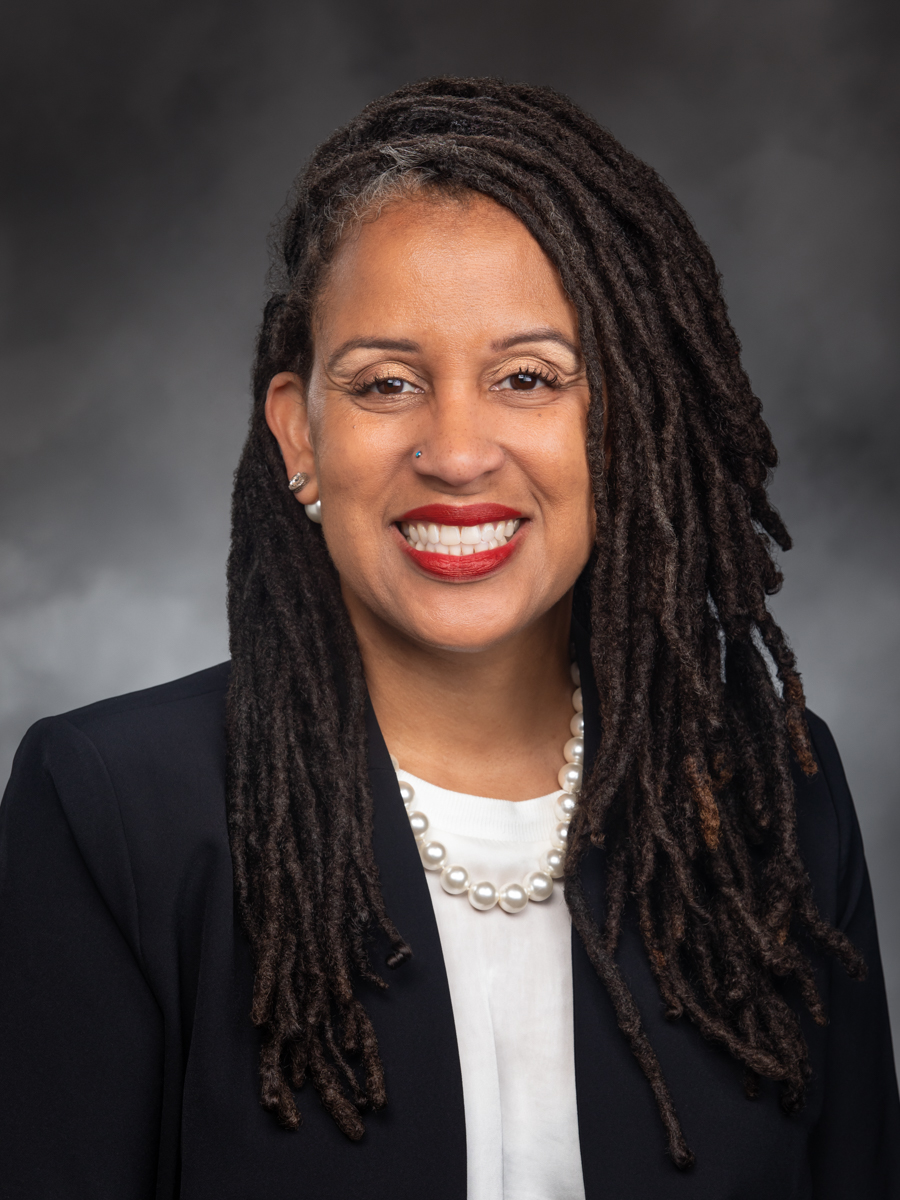
Rep. April Berg
Sponsored bills
Maddy summaryHB 1132 updates Washington's firearm dealer licensing rules to enhance safety. It requires dealers to implement strict security measures, including alarms monitored by law enforcement, locked storage for firearms during non-business hours, and digital surveillance systems covering all sales areas. The bill mandates annual background checks for all employees selling firearms and prohibits temporary sales outside licensed locations except at designated gun shows. It also requires dealers to annually certify compliance with all licensing conditions and face permanent license loss for violations. These provisions directly affect licensed firearm dealers operating in Washington state.
Maddy summaryHB 1138 requires Washington law enforcement officers to stop using deceptive tactics (like falsely claiming evidence exists) during criminal interrogations starting in 2026. It presumes statements obtained through deception are inadmissible in court for misdemeanor or felony cases, unless prosecutors prove the statement was voluntary. The bill mandates free, state-developed training for all officers on evidence-based techniques like the PEACE method, cognitive interviews, and trauma-informed approaches by July 2026. This directly affects law enforcement agencies, prosecutors, and individuals being questioned in criminal investigations.
Maddy summaryHB 1036 requires Washington's community colleges, regional universities, and The Evergreen State College to include at least one labor representative on each governing board. This bill amends existing laws to mandate that labor representation be considered when appointing board members, alongside geographical diversity and representation of women, racial, and ethnic minorities. The labor trustee must be appointed by the governor and cannot be an employee of the higher education system. This change directly affects the composition of college governing boards but does not alter policies affecting students or faculty. The bill takes effect October 1, 2030.
Maddy summaryThis constitutional amendment (HJR 4204) proposes adding a new section to Washington’s Constitution to authorize the legislature to create a property tax exemption for a primary residence. If approved by voters, it would allow the legislature to pass laws granting this exemption, with the ability to set specific rules, restrictions, or eligibility conditions. The amendment requires voter approval at the next general election, as mandated by the bill’s process for constitutional changes. It directly affects future legislative action on property tax policy but does not establish the exemption itself.
Maddy summaryHB 2025 adds a new $300 annual tax credit for low-income renters in Washington who pay sales or use tax. Eligible residents must have rented their primary residence for at least 183 days during the year and meet existing credit requirements. The credit, effective starting in 2026, will be adjusted annually for inflation based on the Seattle consumer price index. This directly supports residential tenants whose rent includes property tax costs, expanding the existing working families' tax credit program.
Maddy summaryHB 1032 lowers the voter approval threshold for school district bond measures in Washington. It changes the requirement from a three-fifths (60%) majority to a simple majority (50%+1) of votes cast in school district elections on bond issues. This directly affects all Washington school districts seeking to borrow funds for capital projects like building repairs or new facilities. The bill amends existing laws (RCW 28A.535.020, 28A.535.050, and 39.36.020) to reflect this voting change, while keeping the overall debt limit at 2.5% of taxable property value.
Maddy summaryHB 1195 prevents local governments in Washington from denying permits for permanent supportive housing, transitional housing, indoor emergency housing, or shelters in residential or commercial zones within urban growth areas. It requires cities and counties to review such permit applications through an administrative process only, not public hearings, and establishes a waiver process if local rules block projects. The bill creates a dispute resolution system where the state department can review conflicts and order corrective action, including withholding state funds from noncompliant localities. The law does not apply to projects in critical areas, natural hazard zones, or agricultural/forestry lands.
Maddy summaryHB 1632 prevents medical debt from being reported to credit bureaus without specific contract terms, directly affecting consumers with medical bills, healthcare providers, and collection agencies. The bill requires all new medical debt contracts to include a clear statement prohibiting credit reporting, and any contract lacking this term becomes unenforceable. If a provider or collector reports medical debt to credit bureaus despite this requirement, the debt is void and cannot be collected. This policy change aims to stop medical debt from unfairly damaging credit scores by removing a key barrier to financial stability for affected consumers.
Maddy summaryHB 1969 establishes a law enforcement aviation support grant program to provide financial assistance to local law enforcement rotary wing aviation support units. The Department will implement this program, identifying eligible units that offer aviation support to any jurisdiction in the state without charging them. Fifty percent of appropriated funds will be equally distributed to these recognized units for maintenance and operational costs, including pilot, crew, and aircraft expenses. Remaining funds will reimburse these units for search and rescue mission costs, with any final leftover amounts going to the Washington State Patrol's aviation section. These funds are intended to supplement, not replace, existing local funding.