

Maddy summaryHB 2173 prohibits Washington law enforcement officers from wearing facial coverings (like balaclavas or ski masks) during routine public interactions, while allowing exceptions for active undercover operations and protective gear used by specialized units like SWAT teams. The bill defines "facial covering" to exclude medical masks, helmets, and clear face shields. It also establishes that individuals detained in violation can sue officers for financial compensation, attorney fees, or other court-ordered remedies. The law applies to all "peace officers" as defined under state law during standard public duties.
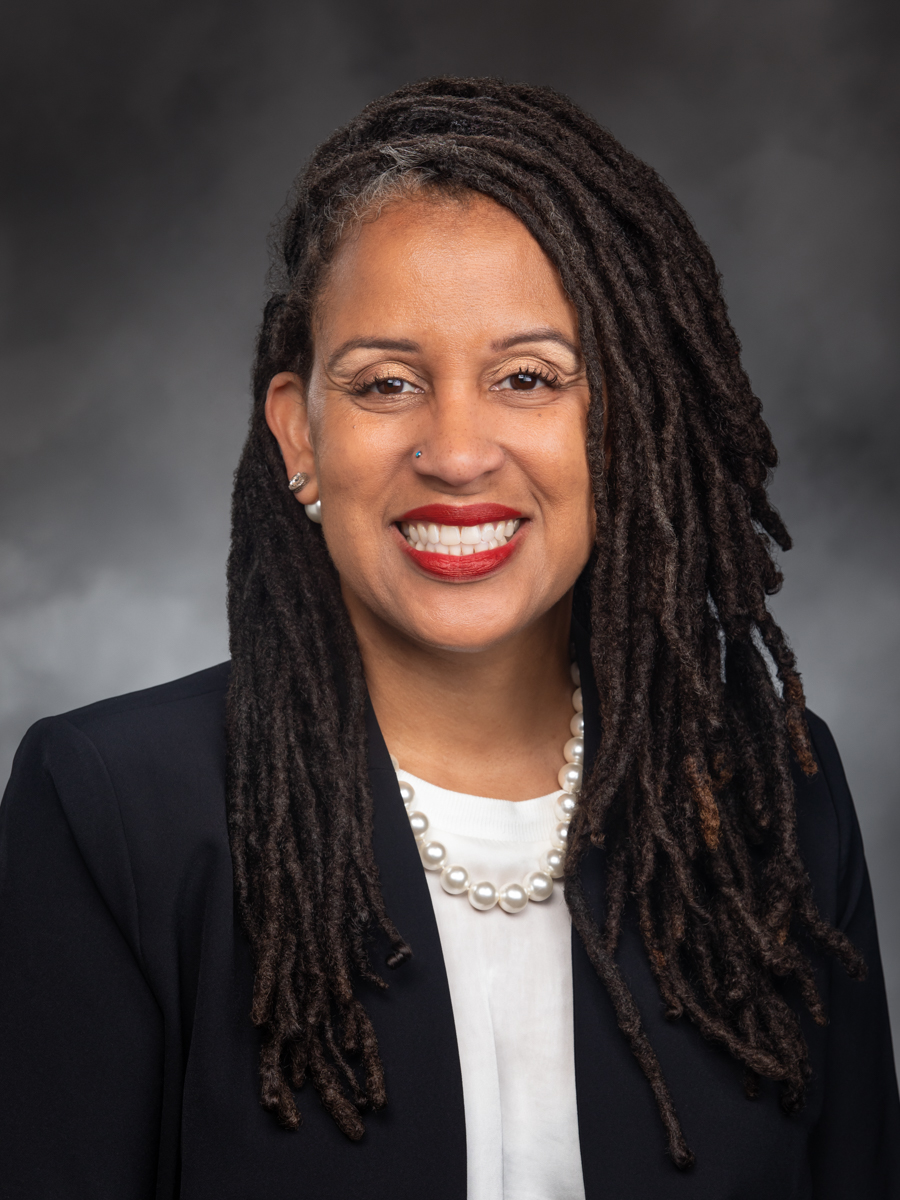
Rep. April Berg
Sponsored bills
Maddy summaryHB 2332 regulates how Washington state and local agencies use automated license plate reader (ALPR) systems to protect driver privacy. It requires all agencies using ALPRs to register systems with the Attorney General, limits their use to specific purposes (like checking stolen vehicles or missing persons), and prohibits collecting data near healthcare facilities, schools, or places of worship. The bill mandates detailed audit trails tracking every system access and explicitly bans using ALPRs for immigration enforcement or stopping vehicles based solely on a system match. Agencies must develop policies for ALPR use and obtain independent reasonable suspicion before stopping a vehicle, ensuring privacy rights under state and federal law.
Maddy summaryThis House Resolution (HR 4666) formally recognizes Mia Hamant, a University of Washington women's soccer goalkeeper who passed away after battling stage 4 cancer. It commends her courage and spirit during her time with the team and her impact on the Husky community. The resolution also congratulates the 2025 UW women's soccer team for winning the Big Ten regular season and tournament titles, reaching the NCAA Elite Eight, and setting program records. As a commemorative resolution, it has no legal effect and serves only to honor Hamant and the team's achievements.
Maddy summaryThis is a ceremonial House resolution (not a policy bill) introduced on January 19, 2026, by multiple Washington State Representatives. It formally recognizes Dr. Martin Luther King Jr.'s life, legacy of nonviolent activism, and contributions to civil rights, including his role in the Civil Rights Act of 1964 and Voting Rights Act of 1965. The resolution expresses the House's commitment to upholding Dr. King's ideals of equality, justice, and opportunity for all. As a symbolic gesture, it does not create new laws, allocate funds, or affect any specific individuals or groups.
Maddy summaryHB 2096 would allow Washington's Department of Licensing to issue special confidential identification cards (like drivers' licenses or identicards) **only to investigators working for the Attorney General's office** during undercover or covert civil or criminal law enforcement operations. These cards would have standard expiration dates but could **only be used while the investigator is actively assigned to an undercover operation**. The bill also gives the Department's director authority to create rules for applying for and using these confidential IDs. It specifically restricts this special identification to Attorney General investigators, not general law enforcement officers.
Maddy summaryWashington State's HJM 4010 is a formal request to the U.S. government to investigate the killing of Aysenur Ezgi Eygi, a University of Washington psychology graduate and Seattle resident. The memorial, addressed to President Trump, the Secretary of State, and the Department of Justice, asks for a "transparent, thorough, and independent investigation" into her death by an Israeli military sniper in the West Bank on September 6, 2024. It specifically cites her peaceful activism, including organizing protests for Palestinian rights and supporting displaced communities, and draws parallels to the unresolved death of another Washingtonian, Rachel Corrie. As a non-binding memorial resolution, it does not create new law but formally urges federal action. The request is directed at U.S. executive and legislative branches to pursue accountability for Eygi's death.
Maddy summaryHB 1608 bans the sale, possession, transport, or distribution of farmed octopus in Washington State, targeting commercial aquaculture operations. The bill directly affects businesses and individuals involved in octopus farming, as it prohibits these activities under new provisions in Title 19 RCW. Key mechanisms include a civil penalty of up to $1,000 per violation for noncompliance, enforceable by the attorney general. The legislation is based on the legislature’s findings that octopuses are highly intelligent, sentient creatures requiring protection from farming practices. It expands existing 2024 restrictions on octopus aquaculture by eliminating the commercial market for farmed octopus.
Maddy summaryHB 1825 repeals two existing Washington State laws (RCW 77.12.035 and related statutes) that previously addressed grizzly bear protection, transplantation, and coordination with federal agencies. The bill does not establish new management policies or directly affect bear populations or land use. It is a procedural change that removes outdated legal language from state code without altering current grizzly bear management practices. The bill is currently in committee review with no further action taken as of the latest update.
Maddy summaryHB 2090 directs Washington’s Department of Commerce to develop a strategic framework for integrating advanced nuclear energy into the state’s clean energy goals. The plan, due by December 2026, would assess how nuclear power could help meet Washington’s targets for 100% clean electricity by 2045, including evaluating siting, permitting, financing, and workforce needs - particularly at former coal sites or the Hanford area. It would examine opportunities for state collaboration with other regions and recommend policies like expediting permits or financial incentives to support nuclear development. The bill does not fund nuclear projects but requires the state to explore nuclear as a potential pathway to replace current fossil fuel generation and achieve decarbonization goals more efficiently.
Maddy summaryHB 2321 requires 3D printer manufacturers and sellers in Washington state to equip all new printers with software that automatically blocks print jobs for firearms or illegal firearm parts, effective July 1, 2027. The law mandates that printers use a "firearms blueprint detection algorithm" to identify and reject files containing firearm designs before printing, meeting specific technical standards to prevent bypassing. Manufacturers must attest under penalty of perjury that their printers comply, with penalties including misdemeanors for first offenses and class C felonies for repeat violations or corporate breaches. This directly affects 3D printer companies operating in Washington, aiming to prevent unlawful firearm manufacturing through technical safeguards.