

Maddy summaryHB 1943 requires Washington public high schools (grades 9-12) to include blood donation awareness instruction in at least one required health class starting in the 2025-26 school year. The bill directs schools to use programs from approved organizations like the American Red Cross or Bloodworks Northwest, which must be posted on the state education website. It also allows schools serving grades K-8 to offer age-appropriate versions of this instruction. The bill aims to educate students about blood donation’s life-saving impact and eligibility, complementing existing health education without mandating certified staff delivery.
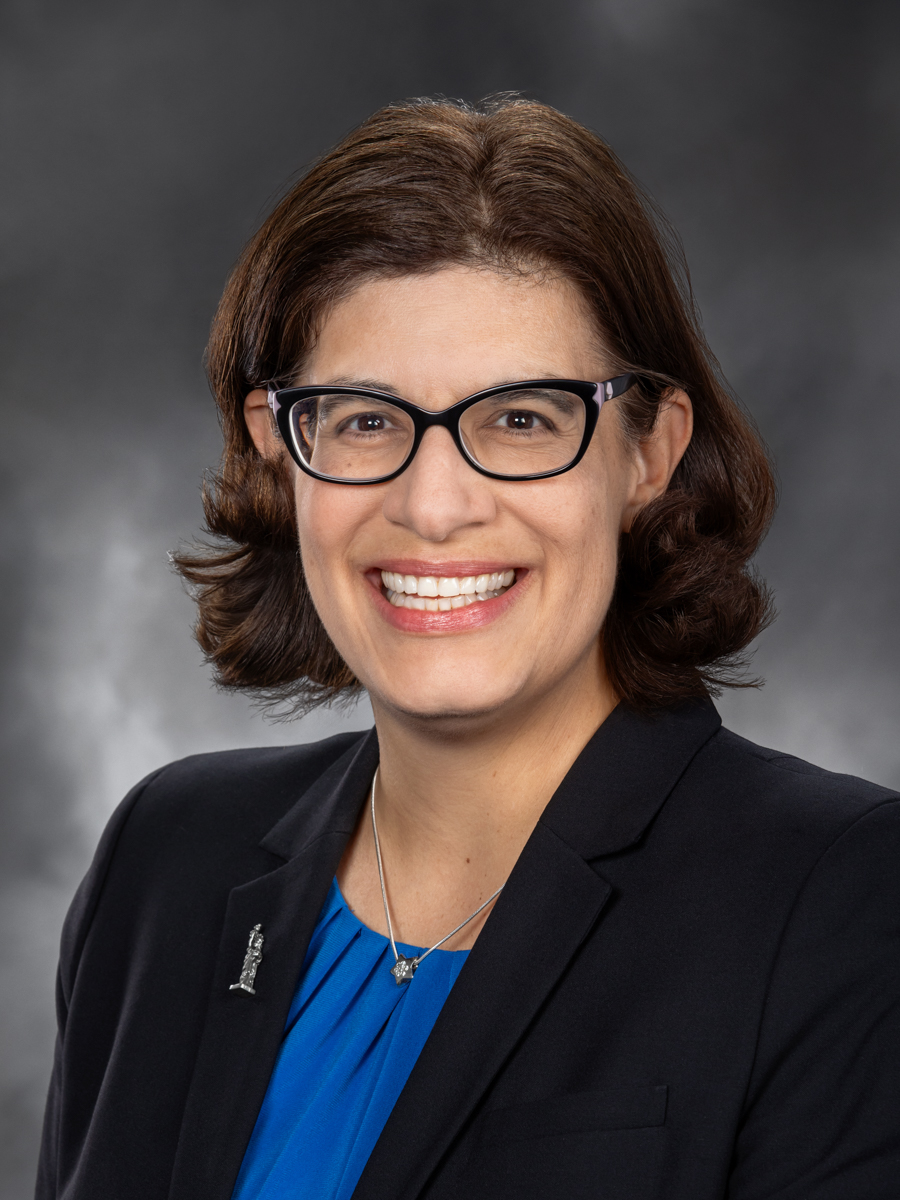
Rep. Nicole Macri
Sponsored bills
Maddy summaryHB 1070 creates a legal presumption that posttraumatic stress disorder (PTSD) is an occupational disease for correctional facility workers in Washington state, directly affecting staff employed at prisons, jails, or community corrections facilities. The bill establishes that after 90 consecutive days of full-time, compensated employment, PTSD claims for these workers are presumed work-related unless the employer provides evidence to the contrary. It also requires employers to cover reasonable appeal costs (including attorney fees) if workers win their claims in court or before the Industrial Insurance Appeals Board. This applies to claims filed within three months per year of employment, up to a maximum of 60 months after leaving the job. The law takes effect January 1, 2026.
Maddy summaryHB 1357 (Washington State) updates special education funding to incentivize inclusive classrooms. It revises the funding formula so school districts receive higher per-student allocations (1.18 multiplier) for students with disabilities spending 80%+ of their day in general education settings, versus a lower rate (1.09) for less inclusive placements. The bill also creates a grant program for up to 20 "pilot schools" to become centers of excellence in inclusionary practices, requiring demonstrated leadership commitment, staff training plans, and data on current inclusion efforts. These schools would receive funding to reach a 1.5 inclusion multiplier over four years. The bill directly affects school districts and students with disabilities in Washington state, focusing on concrete funding changes and support mechanisms to promote inclusive education.
Maddy summaryHB 1444 requires Washington health insurers to cover rapid whole genome sequencing for infants under one year old in intensive care units who meet specific medical criteria, such as unexplained epilepsy, multiple congenital abnormalities, or suspected genetic disorders. It mandates coverage starting January 1, 2026, for cases where timely diagnosis is critical to treatment, including pre- and post-test counseling. The bill ensures separate payment for this service (not bundled into existing hospital payments) and defines "rapid" sequencing as delivering results in under 14 days. It directly affects low-income families enrolled in medical assistance programs by removing financial barriers to faster diagnosis of rare genetic conditions.
Maddy summaryThis bill requires Washington's Department of Health to collaborate with the Department of Social and Health Services to integrate certification testing into home care aide training programs by July 1, 2028. It mandates that exams include both skills demonstrations and knowledge tests, be administered in applicants' preferred languages, and be offered through facility-based or community training programs. The law affects home care aides seeking certification, their training programs, and the departments overseeing testing standards. It also specifies that testing must be conducted fairly and accessible to all applicants, with annual reviews of language-specific exam results.
Maddy summaryHB 1334 modifies Washington State's rules for limiting annual growth in local property tax revenue, directly affecting cities, counties, and other taxing districts. The bill replaces the previous inflation measure with the Western Region Consumer Price Index and sets the growth limit at 100% plus population change and inflation (capped at 103%), while small districts (under 10,000 population) remain limited to 101%. It repeals a prior provision allowing some districts to use a 101% limit factor and requires new calculations for tax limits starting in 2026. These changes aim to adjust how property tax revenue growth is calculated for local government funding.
Maddy summaryThis bill establishes the state's operating budget for the 2025-2027 fiscal biennium, allocating specific funds to Washington state government agencies and legislative bodies. It provides $122.3 million for the House of Representatives, $92.9 million for the Senate, and $14.2 million for the Joint Legislative Audit Committee for salaries and operations across both fiscal years. Funding includes conditions, such as $75,000 for a cost task force that lapses if related legislation isn't enacted by June 2025. The bill directly affects state agencies and legislative operations by setting their annual spending limits for this two-year period.
Maddy summaryHB 1463 expands exemptions allowing families to continue receiving Washington's Temporary Assistance for Needy Families (TANF) cash aid beyond the standard 60-month time limit. It directly affects low-income households nearing or exceeding this limit due to specific hardships. Key provisions add new exemption criteria, including homelessness (per federal McKinney-Vento Act), periods when Washington's unemployment rate was 7% or higher (starting March 2020), family violence, and having a child under age two requiring infant/toddler care. The bill requires recipients to have already received 52 months of aid before qualifying for these extensions, ensuring exemptions apply only to those with significant, documented hardship.
Maddy summaryHB 1146 requires Washington County auditors, jails, and state hospitals to create joint voting plans by 2026 to improve voting access for people incarcerated in jails or hospitalized at state facilities. The bill mandates specific support, including voter registration assistance, access to ballots eight days before elections, nonpartisan candidate information, and accommodations for people with disabilities. Jails and hospitals must designate voting coordinators, provide materials for registration and ballot completion, and document voting-related requests. Violations can be enforced by the Attorney General, with courts awarding $25,000 penalties for intentional breaches starting in 2030.
Maddy summaryHB 1424 creates an independent Jail Oversight Board within the governor's office to improve transparency and safety in Washington's city, county, and regional jails. The board, appointed by the governor, will include seven members representing diverse perspectives such as jail administrators, health care providers, and individuals with lived experience of incarceration. Its role is to ensure safe and humane conditions for jail staff and people held in custody while promoting a more rehabilitative approach to jail operations. This new oversight structure replaces the previous system eliminated in 1987 and aligns with practices in 29 other states.