

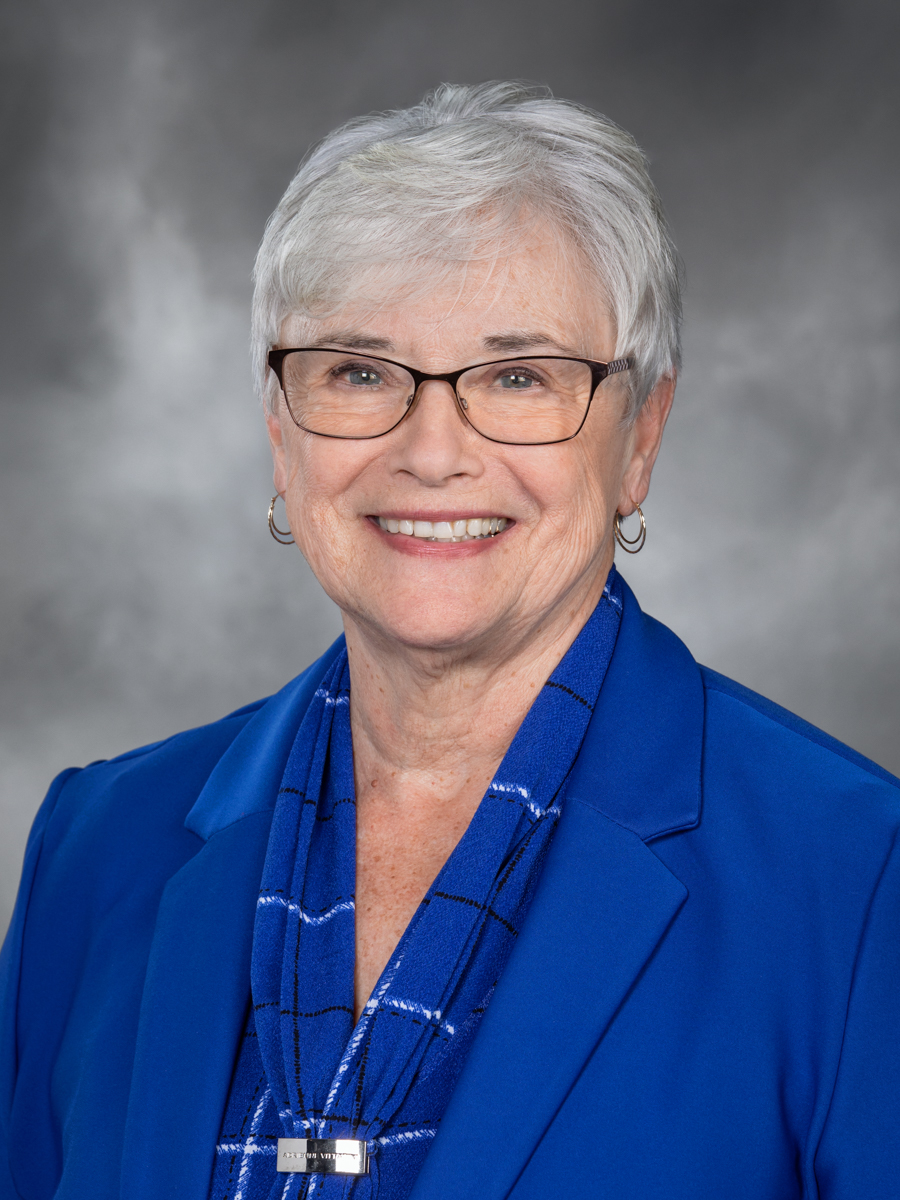
Maddy summaryHB 1753 modifies Washington state's child welfare law to clarify when courts can remove children from homes where parents or guardians possess high-potency synthetic opioids like fentanyl. It establishes that a parent's use or possession of these dangerous opioids near children creates an imminent physical harm risk, directly affecting court decisions in dependency cases. The bill amends RCW 13.34.065 to require courts to consider this specific danger when determining if a child should be removed or placed out of home. This change aims to prevent fentanyl-related harm to children, including accidental ingestion or overdose, by providing clearer legal standards for child welfare proceedings.
Sponsored bills
Maddy summaryHB 1865 expands Washington state's Working Connections Child Care program to specifically include employees of small businesses (defined as entities with 50 or fewer employees). It gradually increases income eligibility thresholds: households earning up to 75% of state median income become eligible starting July 2029, and up to 85% starting July 2031 (if funding is available). The bill also extends eligibility to parents enrolled in state-registered apprenticeship programs for the first 12 months of their participation. These changes aim to make child care benefits more accessible for low- and middle-income working families in small businesses and apprenticeships.
Maddy summaryHB 1438 sets strict time limits for Washington cities and counties to approve housing permit applications, requiring final decisions within 65 days for simple permits, 100 days for those needing public notice, and 170 days for projects requiring public hearings. If deadlines are missed, local governments must refund 10-20% of permit fees based on how long they exceed the timeline. The law applies specifically to housing projects in urban growth areas with residential units and excludes certain permit types or planning processes. It aims to streamline housing development by creating predictable, enforceable review timelines for local governments.
Maddy summaryThis bill amends Washington's estate tax law to allow a deduction for tangible personal property (like farm equipment or business assets) used for "qualified purposes" if owned by a "qualified nonfamilial heir." It directly affects estate tax filers who leave such property to non-family members (e.g., business partners or close associates) who meet specific usage requirements. The key change adds "qualified nonfamilial heir" to the existing deduction criteria, expanding eligibility beyond family members. This applies to property used on the decedent's death for purposes like farming or business operations. The bill does not change tax rates or create new taxes, only modifies who qualifies for an existing deduction.
Maddy summaryHB 1086 makes it a crime to operate or aid in operating a chop shop (where stolen vehicles are dismantled or disguised for resale). It establishes new penalties: a class B felony for a first offense (up to 10 years in prison) and a class A felony for repeat offenses (up to 10 years for a second offense). The law requires convicted individuals to pay restitution to vehicle owners or insurers for financial losses, environmental cleanup costs, and other related expenses. It also allows law enforcement to seize and forfeit vehicles, tools, or equipment used in chop shop operations, while excluding licensed wreckers who unknowingly process stolen vehicles in good faith.
Maddy summaryHB 1969 establishes a law enforcement aviation support grant program to provide financial assistance to local law enforcement rotary wing aviation support units. The Department will implement this program, identifying eligible units that offer aviation support to any jurisdiction in the state without charging them. Fifty percent of appropriated funds will be equally distributed to these recognized units for maintenance and operational costs, including pilot, crew, and aircraft expenses. Remaining funds will reimburse these units for search and rescue mission costs, with any final leftover amounts going to the Washington State Patrol's aviation section. These funds are intended to supplement, not replace, existing local funding.
Maddy summaryHB 1083 changes how Washington's aircraft fuel tax revenue is split between airport projects and the state general fund. Starting July 2025, 0.5% of the tax revenue (increasing to 1% after 2027) goes to airport projects via the aeronautics account, while the remaining 6.5% minus that amount flows to the general fund. It requires the transportation department to track and annually report on funded airport projects, including state grants, federal matching funds, and local contributions. This directly affects airports receiving project funding and state budget allocations through these revenue changes.
Maddy summaryHB 1082 allows licensed child care providers in Washington to use documented work experience instead of formal early childhood education certificates to meet licensing requirements until August 1, 2028. To qualify, providers must show continuous employment since August 1, 2021 (or seven cumulative years), active work requiring such certificates, and completion of required health/safety training. The bill also requires the Department of Children, Youth, and Families to form a stakeholder group - including providers, training organizations, and community advocates - to review and improve staff qualification systems, with a report due by December 2026. This law expires July 1, 2028, and does not apply to providers serving the Early Childhood Education and Assistance Program (ECEAP).
Maddy summaryHB 1263 updates Washington's Essential Needs and Housing Support Program to expand eligible uses for assistance. It allows cash assistance for recipients (previously prohibited) and clarifies eligibility for low-income elderly or disabled adults transitioning off certain benefits who have immediate housing needs. The bill requires housing support entities to prioritize homeless individuals first and those at "substantial risk" of losing housing second, while mandating data reporting to homeless management systems and limiting administrative costs to 5% of program funds. This directly affects vulnerable residents facing housing instability, including homeless individuals and those at risk of losing housing due to financial hardship.
Maddy summaryHB 1704 redirects cannabis tax revenue to specific state and local programs. It allocates 52% of funds to the state basic health plan trust fund, 11% to the health care authority for youth substance use prevention programs and surveys, and 17% (7% based on cannabis retail tax revenue in a jurisdiction and 10% ratably by population) to counties, cities, and towns. Local governments with licensed cannabis retailers receive funds proportional to their retail tax revenue, while all jurisdictions allowing cannabis businesses get additional population-based funding. The bill also funds education programs, poison control, and research on cannabis effects.