

Maddy summaryThis is a commemorative resolution (HR 4697) honoring Dr. Bernal Baca, recognizing his decades of service to Washington state. It highlights his work as a 30-year Yakima Valley College professor, founder of the Washington State Commission on Hispanic Affairs, leader in labor and education advocacy, and executive director of a Tacoma-based Latino community nonprofit. The resolution formally acknowledges his contributions to justice, education, and community building, with no policy changes or direct effects on specific groups. As a procedural measure, it serves solely to express the House's recognition of his legacy.
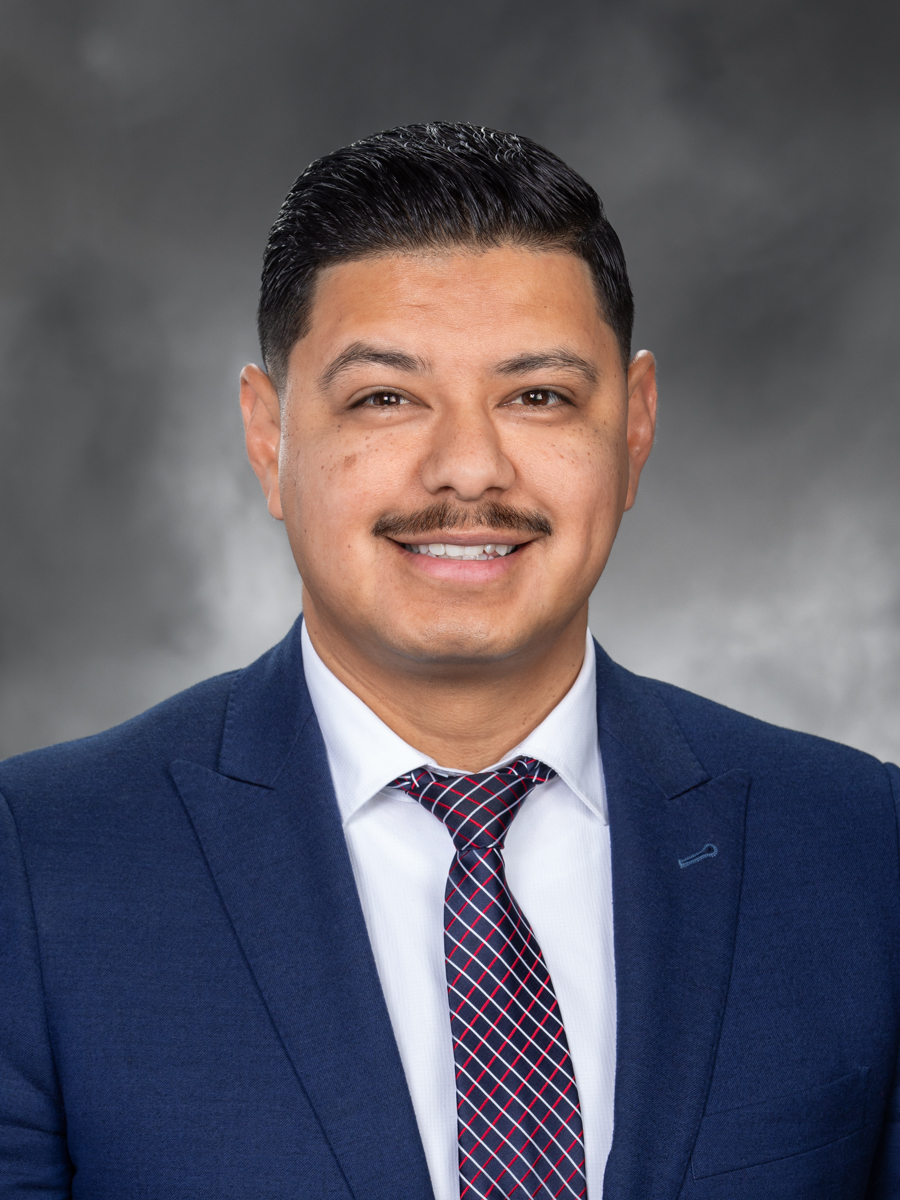
Rep. Julio Cortes
Sponsored bills
Maddy summaryHR 4700 designates March 9 as "Billy Frank Jr. Day" to honor the late Nisqually Tribe leader who dedicated his life to protecting tribal treaty fishing rights and environmental conservation. The resolution commemorates his pivotal role in landmark legal cases securing tribal fishing rights and his decades-long efforts to foster collaboration on salmon habitat restoration and natural resource management. It recognizes his legacy of consensus-building between tribes, state authorities, and diverse stakeholders to uphold treaty obligations and protect Washington's ecosystems. The resolution does not create new policy but serves as a symbolic tribute to his advocacy.
Maddy summaryHB 1873 expands Washington State’s Working Connections Child Care program to include graduate and professional students enrolled full-time at higher education institutions. It sets eligibility at household income of 85% or less of the state median income (adjusted for family size), requires children to be under 13 or under 19 with a verified special need, and waives copayments where federal law allows (capping at $15). The bill also clarifies that two-parent households cannot be denied care based on the other parent’s availability and ensures graduate students qualify for full-time child care assistance under the program. These changes apply immediately upon enactment, with income thresholds and copayment rules adjusted to align with existing program tiers.
Maddy summaryThis Washington state joint memorial (HJM 4017) urges the U.S. federal government to take specific actions regarding Iran, directly affecting U.S. agencies and policymakers. It requests the U.S. refrain from military intervention, strengthen targeted sanctions against Iranian officials violating human rights, minimize harm from broad sanctions on civilians, and support Iranian democracy movements through diplomatic and humanitarian means. The resolution emphasizes prioritizing Iranian-led democratic processes and includes nine specific policy requests, such as expanding internet access and halting deportations to Iran. As a symbolic state resolution - not a binding law - it has no legal effect but formally expresses Washington’s position to federal authorities.
Maddy summaryThis resolution (HR 4692) acknowledges the 84th anniversary of Executive Order 9066, which led to the forced relocation and internment of over 120,000 Japanese Americans during WWII, including 12,000 from Washington State. It recognizes Japanese American veterans, incarcerees, and civil rights activists from Washington, and urges reflection on the principle "with liberty and justice for all," without creating new policies or requiring government action.
Maddy summaryHB 2281 strengthens Washington State's government-to-government relationship with federally recognized tribes by requiring state agencies to consult with tribes before actions affecting tribal cultural sites or practices. It defines "tribal traditional cultural places" and prohibits agencies from imposing "undue burdens" on tribal traditions without proving a compelling government need and using the least restrictive approach. Tribes can seek legal remedies in court if agencies violate these protections, with specific burden-of-proof rules for cases involving sacred tribal knowledge. The bill directly affects tribes whose cultural sites or practices may be impacted by state projects like construction or land management.
Maddy summaryHB 2297 creates incentives to support grocery stores in underserved communities across Washington, directly affecting low-income residents, communities of color, rural populations, immigrants, refugees, and people with limited transportation access. The bill requires cities to adopt model tax ordinances that reduce structural cost barriers for grocery retailers through mechanisms like tax credits and standardized small business thresholds. It aims to preserve existing stores and encourage new development in areas where market forces have failed to provide adequate food access, with the goal of strengthening local jobs and neighborhood stability. The legislation focuses on concrete policy changes to address food access barriers, not on speculative outcomes.
Maddy summaryHB 2389 modifies Washington state's juvenile sentencing system to reduce racial disparities and replace an outdated 1978 sentencing grid with individualized approaches. It creates new alternatives to confinement for youth offenders, particularly for non-violent offenses like robbery (which disproportionately impacts Black youth), and eliminates mandatory minimums for most cases. The bill requires courts to consider rehabilitation progress and community-based supervision instead of long-term incarceration (over 6 months), which research shows increases health risks without reducing recidivism. It directly affects youth under 18 in Washington's juvenile justice system, aiming to provide equitable sentencing options while reducing reliance on secure confinement.
Maddy summaryHB 2298 authorizes Washington county auditors to create a voluntary property title protection program to prevent land record fraud. Property owners can opt to record a "fraud protection instrument" with their county auditor, which requires a secure ID or court-approved process for any transfer of ownership. The program allows county auditors to delay recording transfers for up to five business days if fraud protection is active and includes an emergency override via court orders or authorized legal actions. This directly affects property owners who choose to enroll in the program to safeguard against unauthorized title changes.
Maddy summaryHB 2351 strengthens protections for emergency responders in Washington by expanding the definition of "obstruction" to cover firefighters, EMTs, and other emergency personnel during active incidents. It makes it a gross misdemeanor to willfully hinder these responders when they are identifiable as such, with specific provisions allowing defense if a mental health crisis was involved. The bill also prohibits local government agencies (cities, counties, and emergency command systems) from using public funds to investigate or assist federal programs targeting emergency responders based on immigration status, race, religion, or national origin - except for required legal compliance or non-immigration-related duties. These changes apply to all emergency responders as defined in the law, effective January 1, 2027.