

Maddy summaryHB 1128 creates a Washington state Child Care Workforce Standards Board to set minimum compensation and employment standards for child care workers. The board, composed of nine members including worker representatives (from family child care, center workers, and school-age programs), employer representatives, parent advocates, and state agency officials, will address low pay and poor working conditions that contribute to workforce instability. It requires the board to hold public hearings, establish standards with a six-member vote, and protect workers from retaliation for participating in the process. The law aims to improve child care quality and affordability by ensuring fair compensation and stable employment for workers directly serving children.
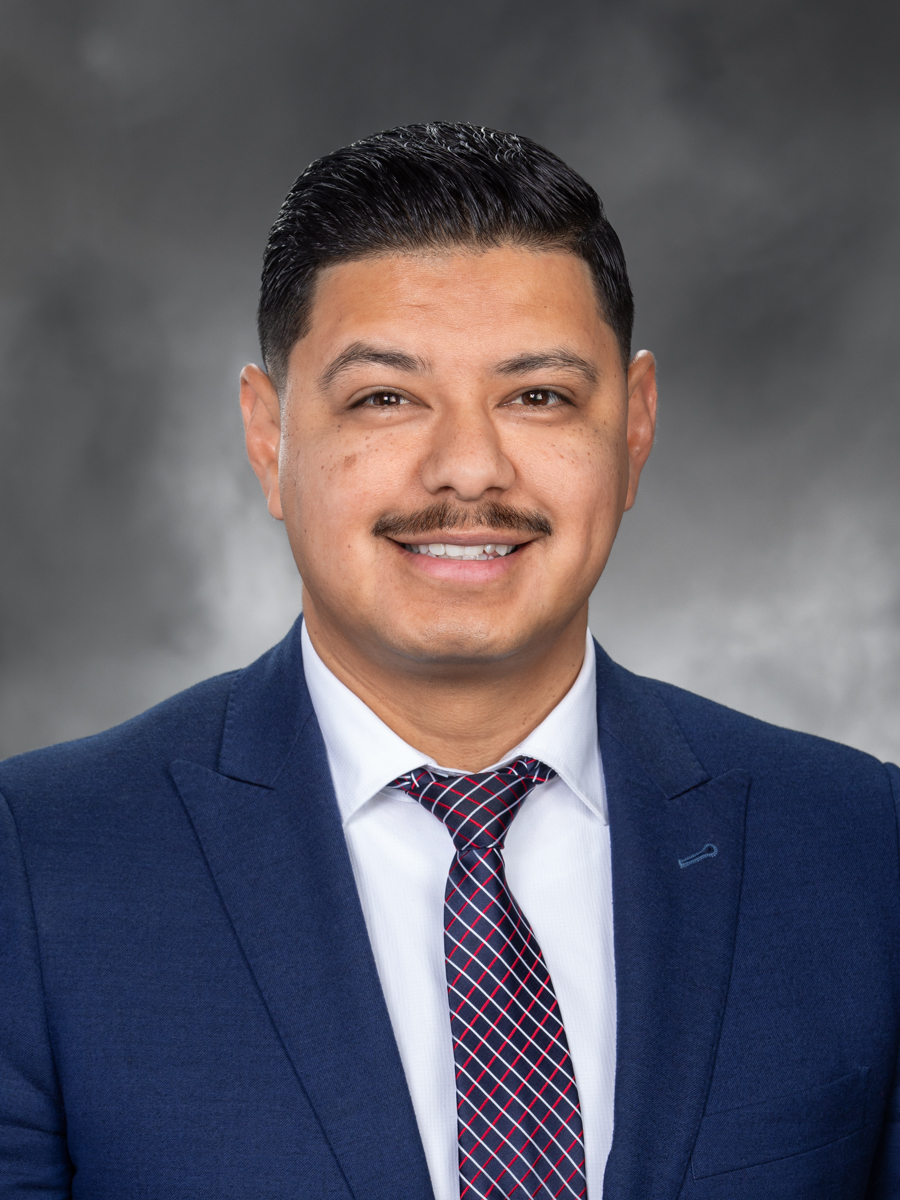
Rep. Julio Cortes
Sponsored bills
Maddy summaryHB 2165 makes it a gross misdemeanor to intentionally create, possess, or display fake law enforcement items (like badges, vehicle decals, or insignia) that falsely identify someone as a sworn peace officer or reserve officer, or to misrepresent ordinary items as police property. It directly affects individuals or businesses selling or using fake police gear, such as costume shops or people posing as officers. Key exceptions include items clearly marked as honorary roles, historical displays, or protected artistic/satirical works (like parodies or educational materials). The law does not prohibit legitimate uses like historical reenactments or news coverage, and it specifies that the fake item must be displayed in a way that would reasonably mislead others.
Maddy summaryHB 2610 expands property tax exemptions for nonprofit housing providers in Washington State by allowing temporary use of their properties for community events (like meetings or festivals) without losing the exemption, even if these uses aren't for affordable housing. The bill clarifies that such temporary uses qualify as long as rental fees cover maintenance costs, the property isn’t used for profit, and total non-housing use doesn’t exceed 50 days per year (with no more than 15 days for business activities). It specifically amends tax code sections to include these community purposes under existing exemption rules, while maintaining safeguards like requiring reasonable fees and prohibiting repeated non-compliant use. This directly affects nonprofit housing organizations seeking to host community events on their properties without risking tax liability.
Maddy summaryHB 1570 grants collective bargaining rights to student employees (those enrolled in academic or certificate programs) at Central Washington University, Eastern Washington University, Western Washington University, and The Evergreen State College. It defines specific bargaining topics, including tuition remission and waivers, while excluding issues like academic calendars, tuition amounts, student admissions, and termination based on academic performance. Compensation agreements must align with legislative budget limits, though institutions may offer additional pay beyond these limits. The bill applies only to employees not already covered by other collective bargaining laws at these institutions.
Maddy summaryHB 2219 creates unified licensing standards for all child care providers in Washington, replacing separate rules for different settings like family care, nature-based programs, and centers. It allows child care centers to combine age groups for up to 4 hours daily (with 90 minutes for staff breaks) while maintaining required staff-to-child ratios, and waives redundant orientation requirements for providers who already completed similar training. The bill directly affects licensed child care providers, early learning programs, and the Department of Children, Youth, and Families, which must implement these standards within available funding. Key changes streamline operations by reducing administrative complexity and aligning quality standards with existing programs like Early Achievers.
Maddy summaryHB 2479 streamlines the process for workers to recover unpaid wages in Washington State. It requires the Department of Labor to investigate wage complaints within 60 days (extendable with notice), limits claims to unpaid wages from the past three years, and mandates employers to pay owed wages plus 1% monthly interest. For willful violations, employers face fines of at least $1,500 or 10% of unpaid wages (adjusted for inflation starting 2030), with penalties deposited into a new "wage recovery account." The bill directly affects workers who haven’t received pay and employers who owe wages, while giving the department expanded authority to investigate multiple violations under a single complaint.
Maddy summaryThis bill is a House resolution that formally recognizes Representative Virginia "Jenny" Graham for her public service in the Washington State House of Representatives. It highlights her eight-year tenure, her advocacy for public safety, and her work on community safety and veterans' issues. The resolution does not create new laws or policies but serves as an official acknowledgment of her contributions and legacy.
Maddy summaryThis bill is a House resolution that formally honors John Michael Sattgast for his 35 years of dedicated service as a communications professional for the House Republican Caucus in the Washington State Legislature. It recognizes his work producing over 4,000 radio stories and coordinating media coverage for state representatives, as well as his leadership roles with the National Conference of State Legislatures. The resolution acknowledges his contributions to sharing legislative history and public information, noting his receipt of the 2023 Legislative Staff Achievement Award. This measure serves as a commemorative tribute rather than establishing new policy or affecting government operations.
Maddy summaryThis bill formally acknowledges the service of Representative Steve Tharinger to his district and the Washington state legislature. It recognizes his long career in public service, including his time as a Clallam County Commissioner, his work on the House Capital Budget Committee, and his advocacy for environmental protection and healthcare. The resolution serves as a commemorative tribute to his contributions and personal qualities rather than establishing new laws or policies.
Maddy summaryHB 2464 requires private detention facilities operating under government contracts to meet specific standards for food services, staff training, and infection control, while mandating timely reporting of serious incidents like abuse, death, or injuries to health and law enforcement. Facilities must provide balanced meals with dietary oversight, maintain safety protocols, and post clear policies on detained persons' rights. Starting November 2026, law enforcement agencies must annually report to the health department on how they responded to facility incidents, including whether victims received police reports or prosecutions occurred. The bill directly affects private detention facilities with government contracts, aiming to improve oversight and accountability in their operations.