

Enhancing the operational efficiency of child care providers.
HB 2219 creates unified licensing standards for all child care providers in Washington, replacing separate rules for different settings like family care, nature-based programs, and centers. It allows child care centers to combine age groups for up to 4 hours daily (with 90 minutes for staff breaks) while maintaining required staff-to-child ratios, and waives redundant orientation requirements for providers who already completed similar training. The bill directly affects licensed child care providers, early learning programs, and the Department of Children, Youth, and Families, which must implement these standards within available funding. Key changes streamline operations by reducing administrative complexity and aligning quality standards with existing programs like Early Achievers.
Bill status
signed
all 5 stages cleared
Introduction
Dec 2025
Committee Review
Mar 2026
House Passage
Mar 2026
Senate Passage
Mar 2026
Signed into Law
Mar 2026
Introduced Dec 30, 2025
Signed Mar 17, 2026
Maddy AI version diff · 3 comparisons
What changed between versions
Engrossed Substitute Bill
→
Substitute Passed Legislature
·
4 edits
MODERATE
The bill updates child care licensing standards to strictly prohibit high-potency synthetic opioids and drug manufacturing equipment, replacing the previous mention of 'fentanyl residue' with 'drug manufacturing equipment.' It introduces an immediate summary suspension penalty for violations and adds specific legal definitions for key terms. The changes aim to strengthen safety protocols and clarify enforcement mechanisms for child care providers.
Scope change
The scope of prohibited items was narrowed by removing 'fentanyl residue' and adding 'drug manufacturing equipment,' while the enforcement mechanism was expanded to include immediate suspension.
REQUIREMENT
Replaced the requirement to be absent of 'fentanyl residue' with a requirement to be absent of 'drug manufacturing equipment'.
Added a clause stating that the new section does not create a private right of action for lawsuits.
ENFORCEMENT
Added a provision for immediate summary suspension of a licensee upon violation of the zero tolerance policy.
DEFINITION
Added new definitions for 'drug paraphernalia,' 'high-potency synthetic opioids,' and 'imminent physical harm' to clarify legal standards.
Floor votes · Senate Mar 3, 2026 · House Feb 16, 2026
How they voted
51–0
Passed
Total votes 51
Mar 3, 2026
D
Democratic31
100% Yea
R
Republican20
100% Yea
Vote distribution
All Yea
All Nay
Mixed
No data
Full legislative history
Actions timeline
Total actions
29
Key actions
13
Committee
7
Mar 17, 2026
Signed into law
Governor signed.
executive
Mar 11, 2026
Upper · Passed
President signed.
upper
Mar 11, 2026
Lower · Passed
Speaker signed.
lower
Mar 9, 2026
Lower · Passed
Passed final passage; yeas, 67; nays, 28; absent, 0; excused, 3.
lower
Mar 9, 2026
Lower · Passed
House concurred in Senate amendments.
lower
Mar 3, 2026
Upper · Passed
Committee amendment(s) adopted with no other amendments.
upper
Mar 3, 2026
Senate · Passed
Senate Vote: pass (51-0)
senate
Feb 25, 2026
Upper · Passed
EDU - Majority; do pass with amendment(s).
upper
Feb 25, 2026
Upper · Passed
Executive action taken in the Senate Committee on Early Learning & K-12 Education at 10:30 AM.
upper
Feb 19, 2026
Upper · Passed
Public hearing in the Senate Committee on Early Learning & K-12 Education at 10:30 AM.
upper
Feb 16, 2026
Lower · Passed
Floor amendment(s) adopted.
lower
Jan 27, 2026
Committee
Referred to Rules 2 Review.
lower
Jan 23, 2026
Lower · Passed
Executive action taken in the House Committee on Early Learning & Human Services at 8:00 AM.
lower
Jan 14, 2026
Lower · Passed
Public hearing in the House Committee on Early Learning & Human Services at 1:30 PM.
lower
1 primary · 18 co-sponsors
Sponsors
Role
Legislator
Party
State
District
P
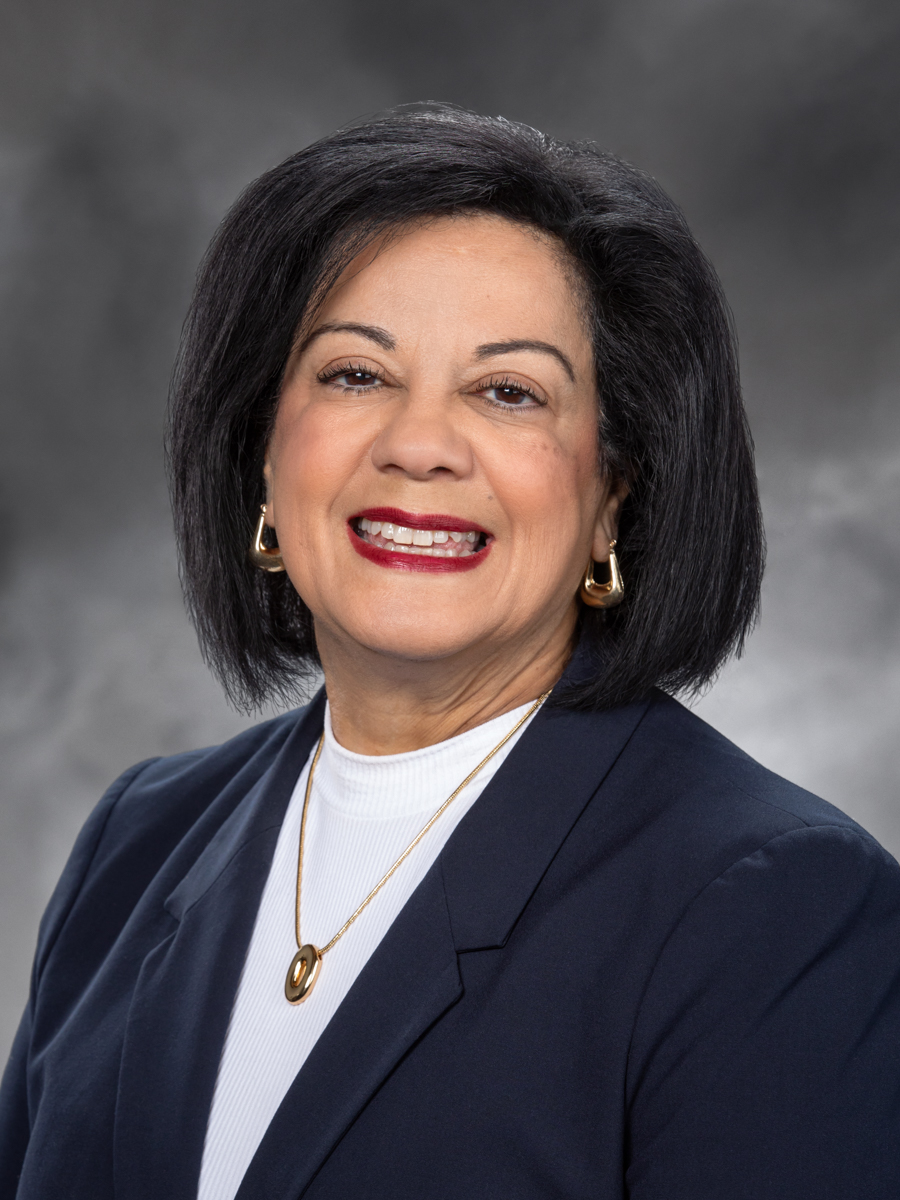
Lillian Ortiz-Self
DDemocratic
Co

Adam Bernbaum
DDemocratic
Co
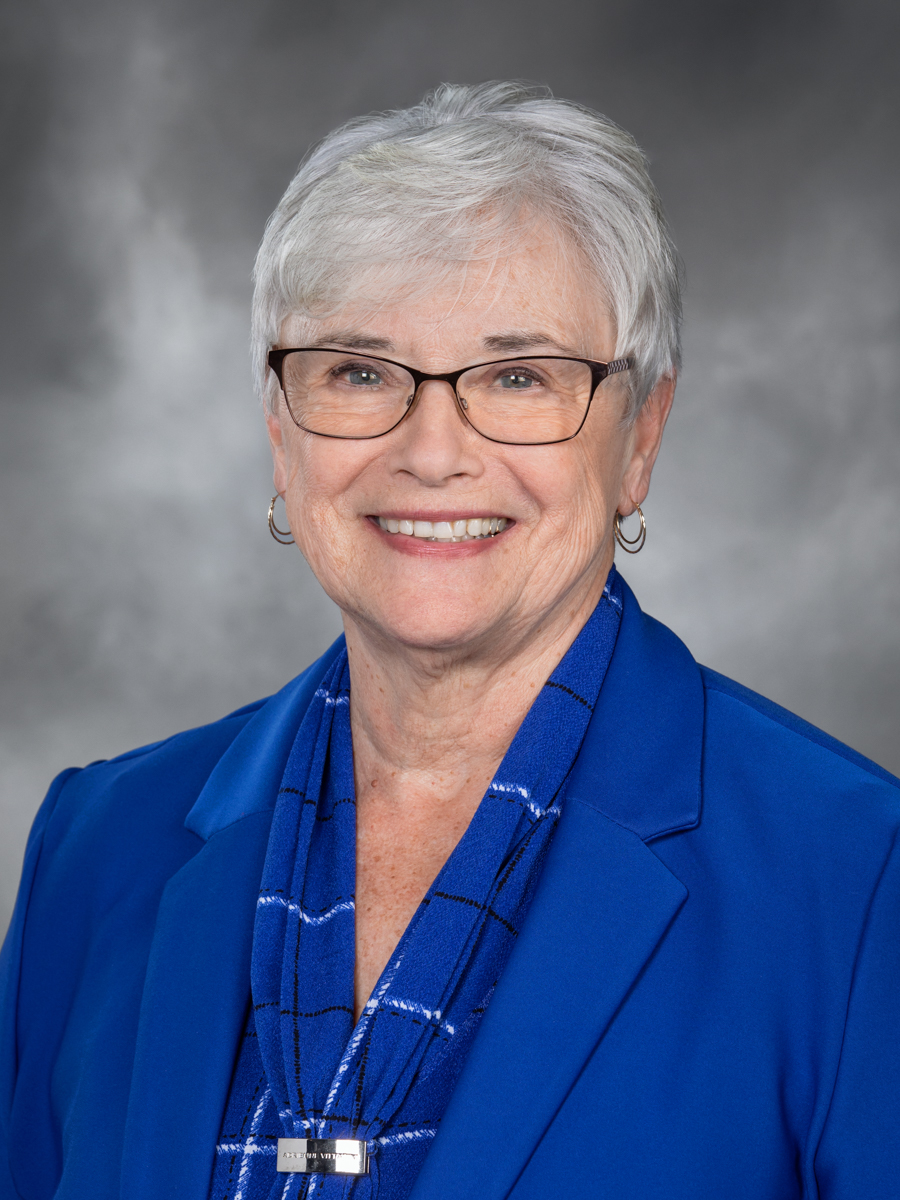
Carolyn Eslick
RRepublican
Co

Greg Nance
DDemocratic
Co

Janice Zahn
DDemocratic
Co
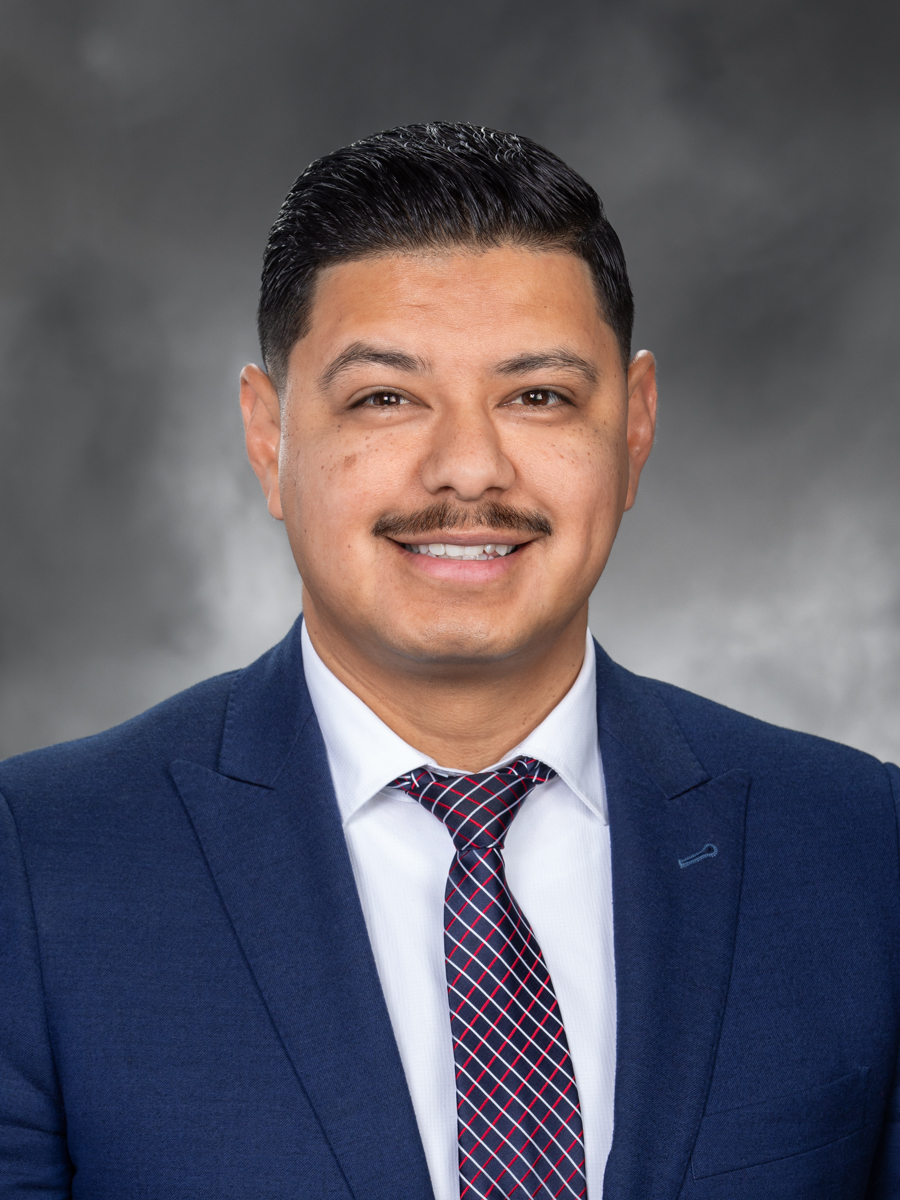
Julio Cortes
DDemocratic
Co
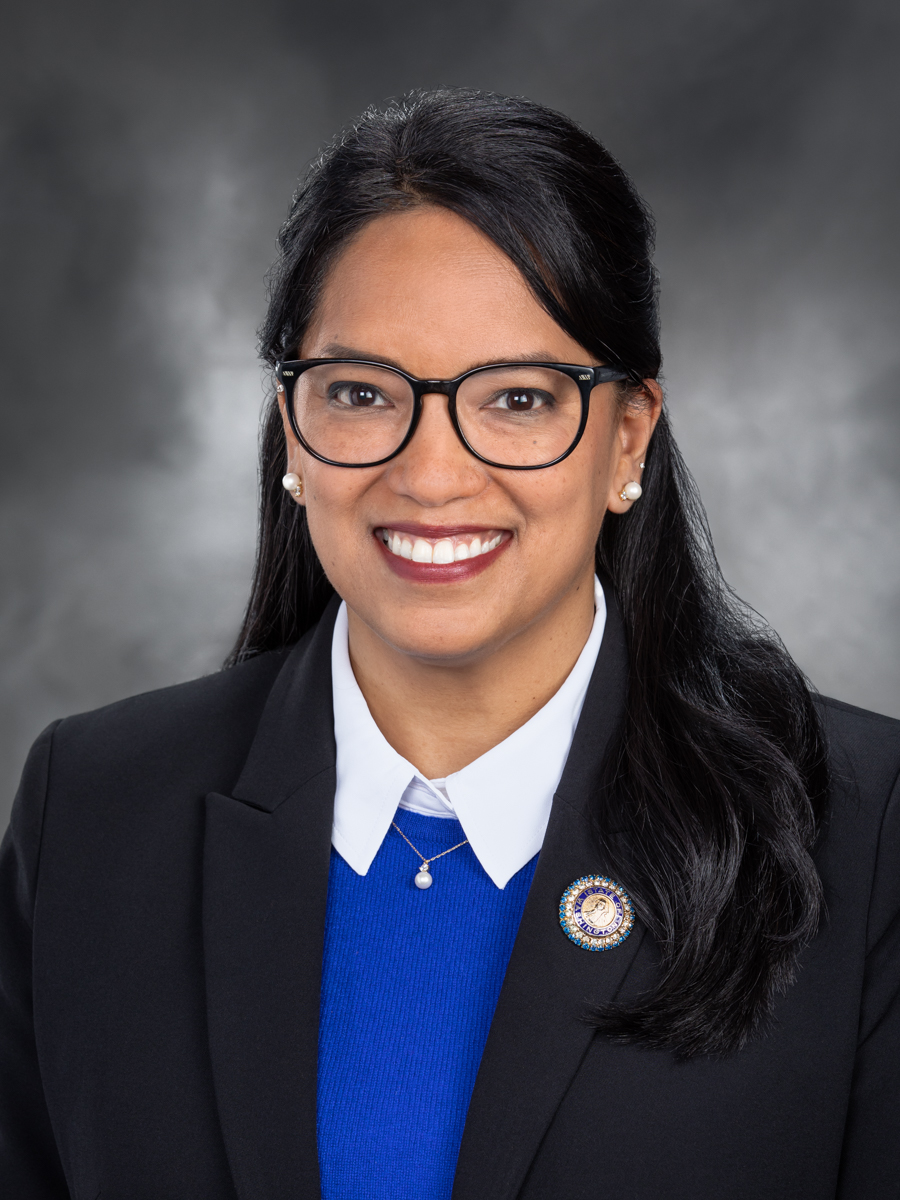
Kristine Reeves
DDemocratic
Co
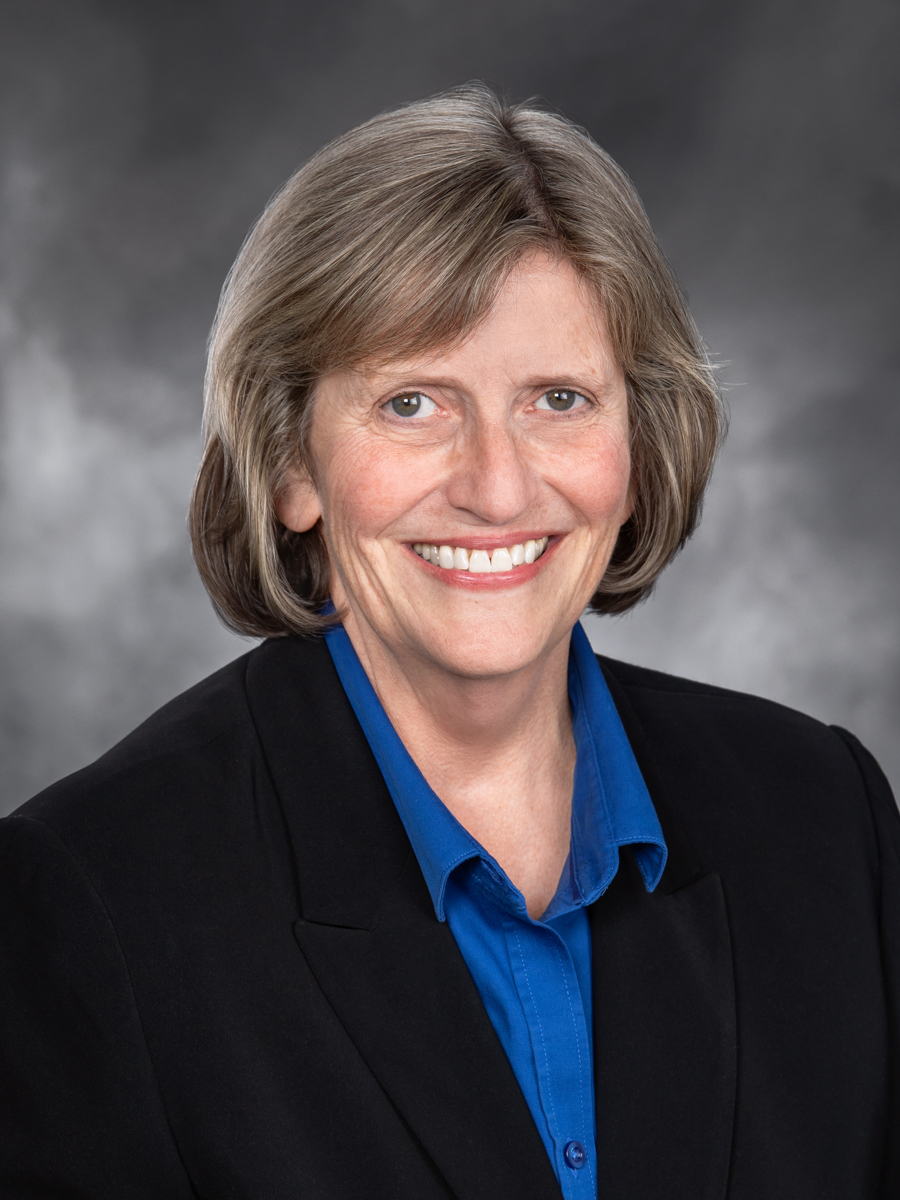
Lisa Callan
DDemocratic
Co
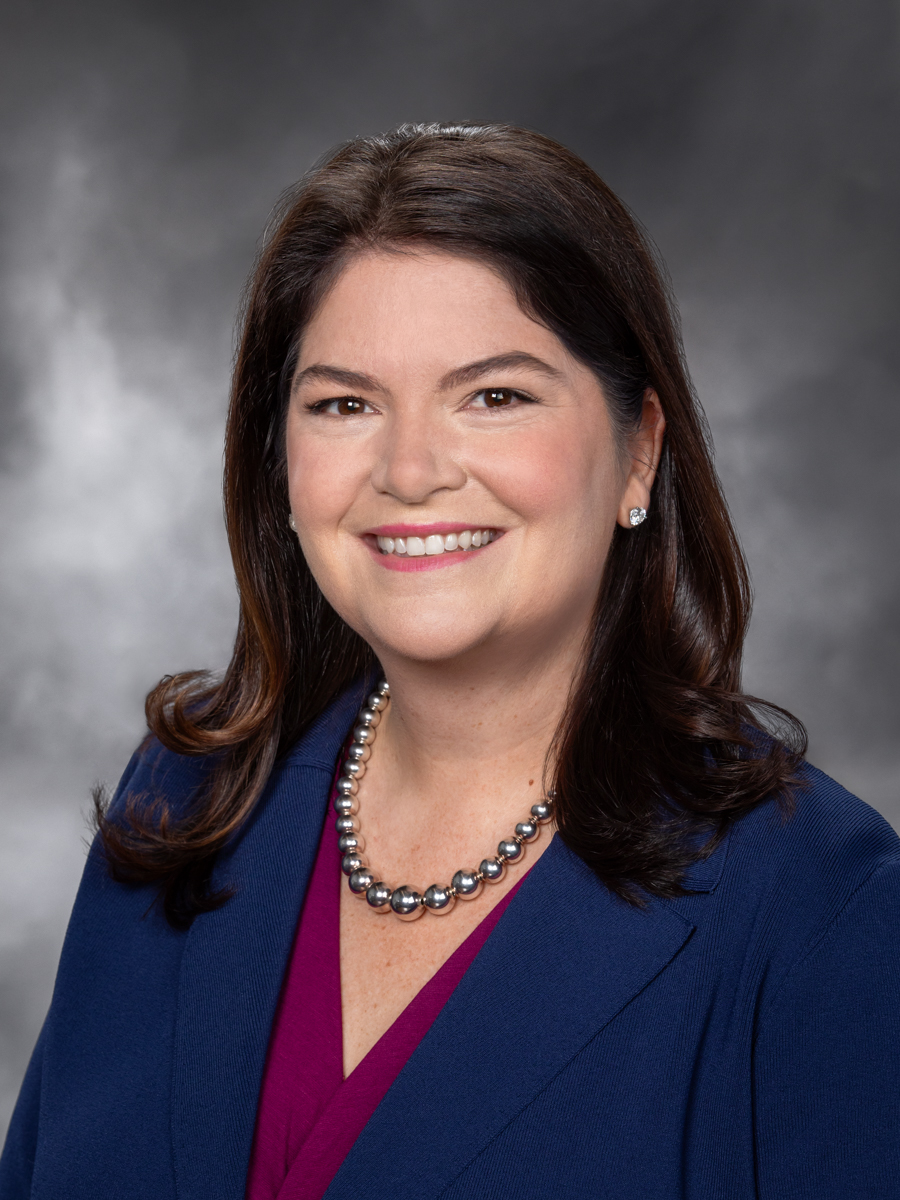
Liz Berry
DDemocratic
Co

Mary Fosse
DDemocratic
Co
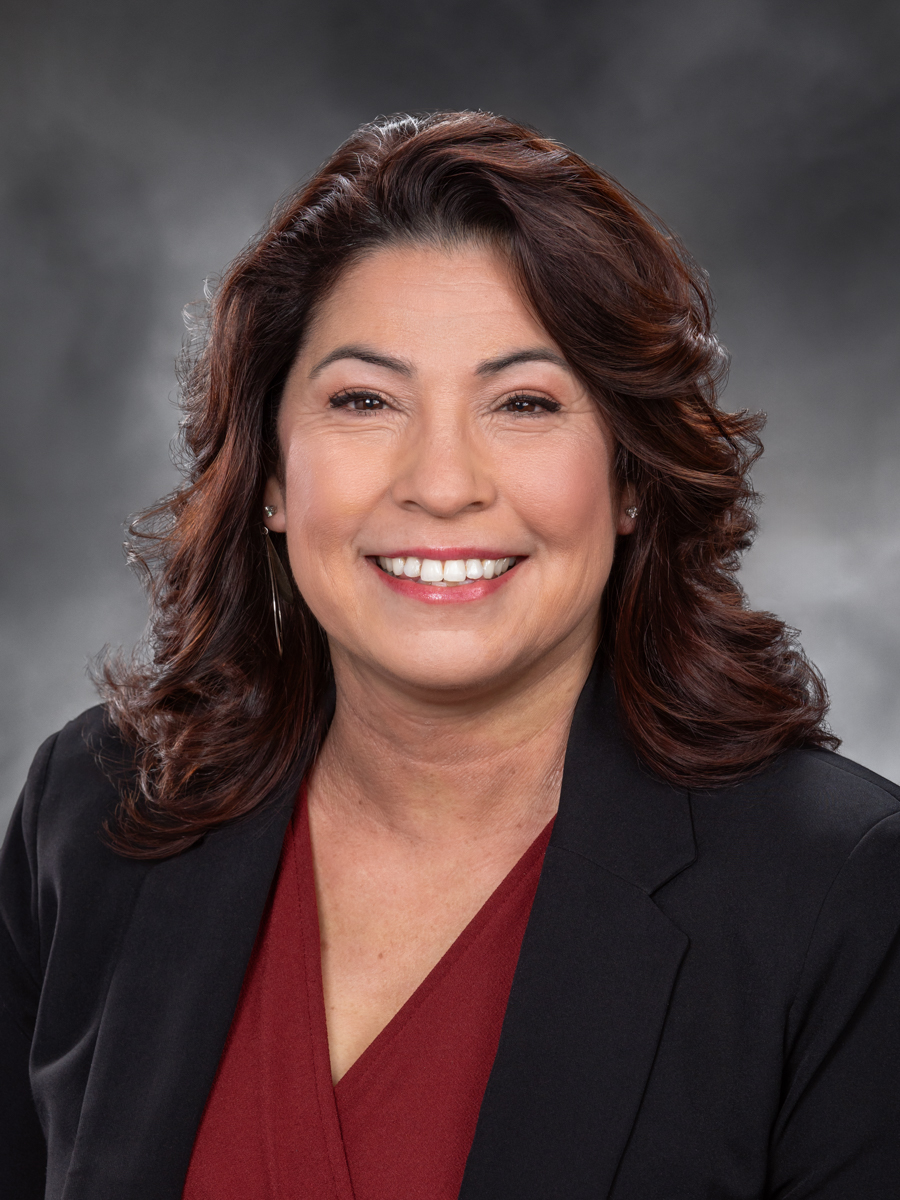
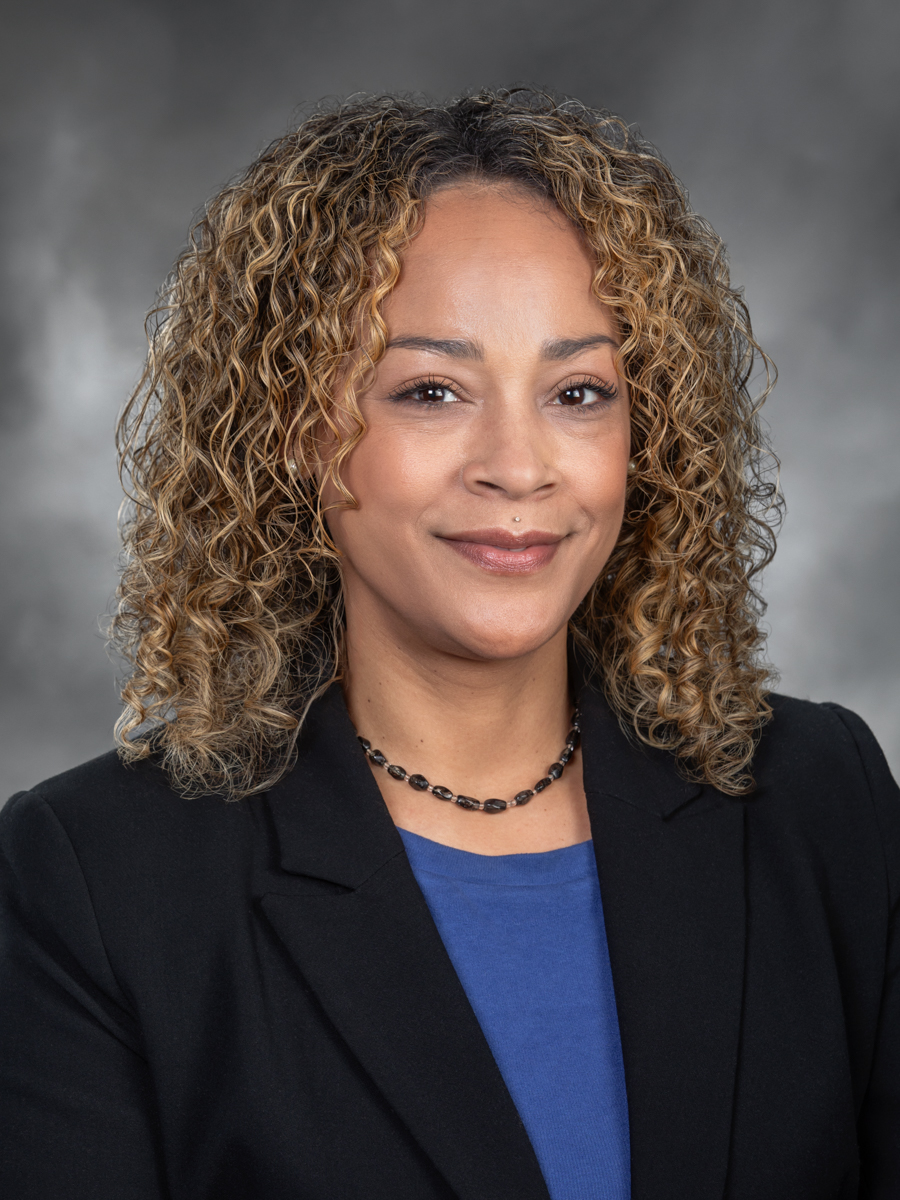
Monica Stonier
DDemocratic



Ask Maddy
·
AI policy assistant
Ask Maddy about HB 2219
Scope: WA
Hi! I can help you understand HB 2219. What would you like to know?
Try one of these
i
Maddy answers using official bill text and legislative records. Always verify before sharing.
Sources cited inline