

Maddy summaryThis bill (HB 1351) adjusts the eligibility requirements for children to access Washington's Early Childhood Education and Assistance Program (ECEAP). It clarifies that an eligible child must be at least three years old by August 31st of the school year and not yet age-eligible for kindergarten. The bill updates income thresholds for families, shifting from federal poverty levels to state median income percentages over time. Additionally, it expands eligibility to include children experiencing homelessness or those who have participated in other specific early childhood support programs.
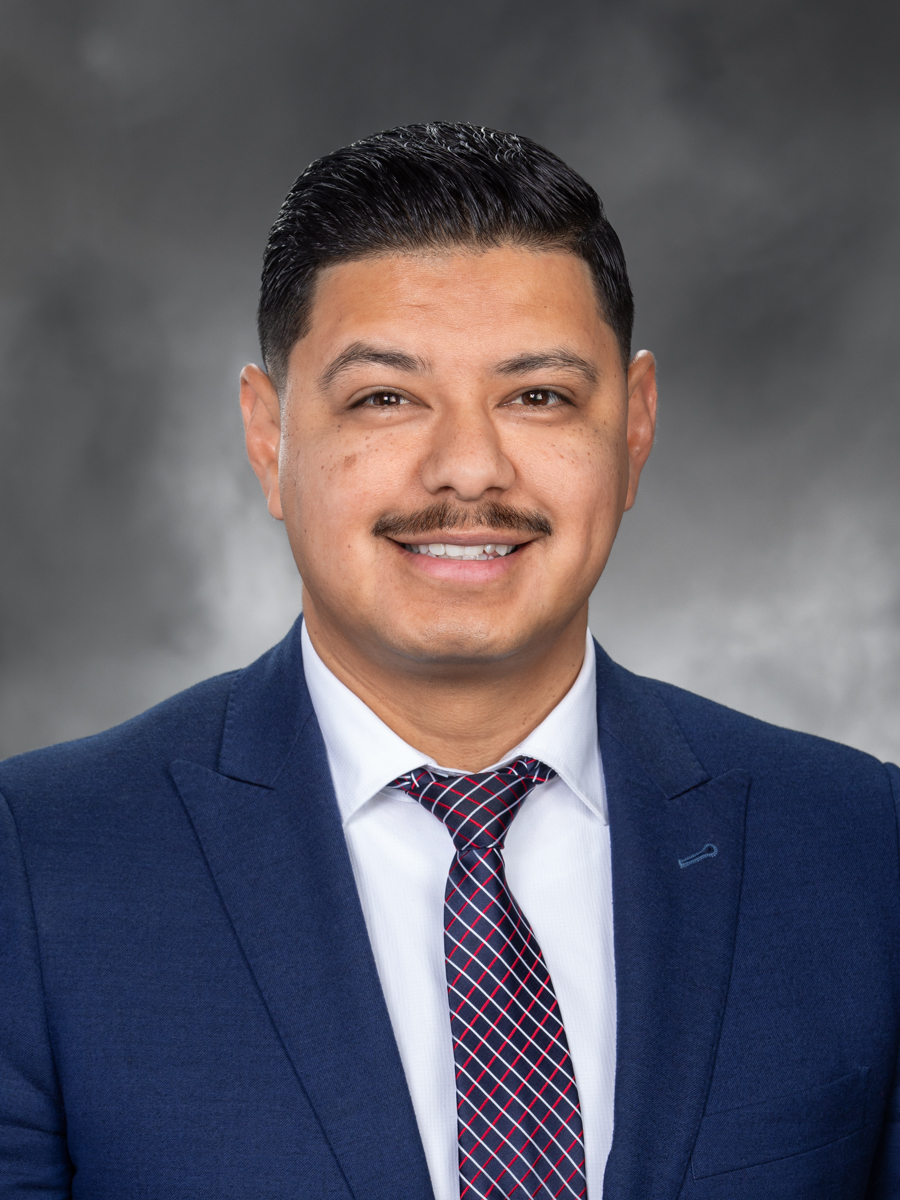
Rep. Julio Cortes
Sponsored bills
Maddy summaryHB 1308 enhances the rights of employees and recent former employees in Washington state to access their own personnel records. It requires most employers to provide copies of personnel files, which explicitly include records like job applications, performance evaluations, and payroll, within 21 calendar days of a request at no cost. The bill also allows employees to petition for the removal of irrelevant information and to add rebuttals to their files. To ensure compliance, it establishes a private cause of action for violations, enabling individuals to sue employers for statutory damages ranging from $250 to $1,000, along with attorney's fees.
Maddy summaryHB 1491, "Promoting transit-oriented housing development," aims to increase housing options and density near public transportation throughout Washington state. The bill directs cities planning under the Growth Management Act to align their land use policies with transit infrastructure development. It does this by amending various state laws and introducing new definitions for housing types, such as "cottage housing" and "courtyard apartments," and clarifying "affordable housing." This legislation seeks to maximize state investments in mass transit by fostering the creation of vibrant, walkable, and accessible communities that include diverse housing options.
Maddy summaryHouse Bill 1052 clarifies the definition of a hate crime offense in Washington state, applying to individuals who commit malicious and intentional acts against others based on perceived protected characteristics. It specifies that assault, property damage, or threats made due to a person's perceived race, religion, gender, sexual orientation, or disability constitute a hate crime. The bill also outlines specific acts, such as burning a cross or defacing property with Nazi symbols, that can be used to infer intent to threaten a victim based on their perceived characteristics. Commission of a hate crime offense is established as a Class C felony.
Maddy summaryHB 1395 streamlines the background check process for home care workers, long-term care providers, and others working with vulnerable adults and children in Washington state. It prevents the Department of Social and Health Services (DSHS) from automatically disqualifying individuals for certain past criminal convictions, such as specific theft or assault charges, once a specified number of years have passed. However, DSHS or authorized entities can still consider these convictions during a "character, competence, and suitability review," and clients must be informed of an approved provider's background check results before services begin. The bill also allows some providers to work for up to 30 days while their review is pending, with client notification, and limits when new suitability reviews are required for previously cleared non-disqualifying issues.
Maddy summaryHB 1217 aims to improve housing stability for tenants in Washington state, applying to those under the residential landlord-tenant act and the manufactured/mobile home landlord-tenant act. It limits combined rent and fee increases to no more than seven percent within any 12-month period after the initial year of a tenancy, though some exemptions may apply. The bill also requires landlords to provide notice for increases, places limits on various fees and deposits, and allows tenants to terminate their lease if an increase is unlawful. Additionally, it establishes a landlord resource center and authorizes the Attorney General to enforce its provisions, providing specific remedies for tenants in cases of violation.
Maddy summaryHB 1012 explicitly authorizes the Washington State Women's Commission to solicit gifts, grants, and endowments from public or private sources. This bill amends current law to empower the commission to actively seek and accept financial contributions. These funds are designated for the commission's projects and functions that are not funded by the legislature. The commission's executive director is required to report any private funds received to the office of financial management.
Maddy summaryHB 1644, "Concerning the safety and health of working minors," aims to strengthen protections for young workers in Washington state. The bill amends the criteria for "responsible bidders" on public works contracts, requiring that contractors not have a revoked minor work permit to be eligible for these projects. It also modifies the process for issuing citations to employers who violate requirements related to minor work permits. These provisions are intended to promote adherence to safety and health standards for minors in the workplace.
Maddy summaryHouse Resolution 4650 is a commemorative resolution recognizing Representative Bruce Q. Chandler for his 26 years of distinguished service to the 15th Legislative District and the State of Washington. It honors his contributions in areas such as agriculture, business, early learning, and state budgeting.
Maddy summaryEngrossed Substitute House Bill 1875 expands the reasons for which employees in Washington state can use their accrued paid sick leave. It allows employees to use this leave to prepare for or participate in judicial or administrative immigration proceedings for themselves or a family member. For absences exceeding three days for this purpose, employees can provide verification through documentation from an immigration advocate, attorney, or clergy, or a written statement from the employee, without disclosing sensitive immigration status details. The bill ensures that employees can attend these proceedings without losing pay.