

Maddy summaryHB 1866 creates a pilot program allowing Washington state agencies to provide one-time advance funds to eligible nonprofits that have received state grants. Nonprofits must have a recent grant (within six months), a strong performance history, a budget under $5 million, and work in areas like public health, safety, or welfare. Advances are capped at 25% of the grant amount or $100,000 (whichever is lower) and must be repaid from future grant funds. The program expires June 30, 2028, requiring a 2027 report evaluating its effectiveness and recommending future action.
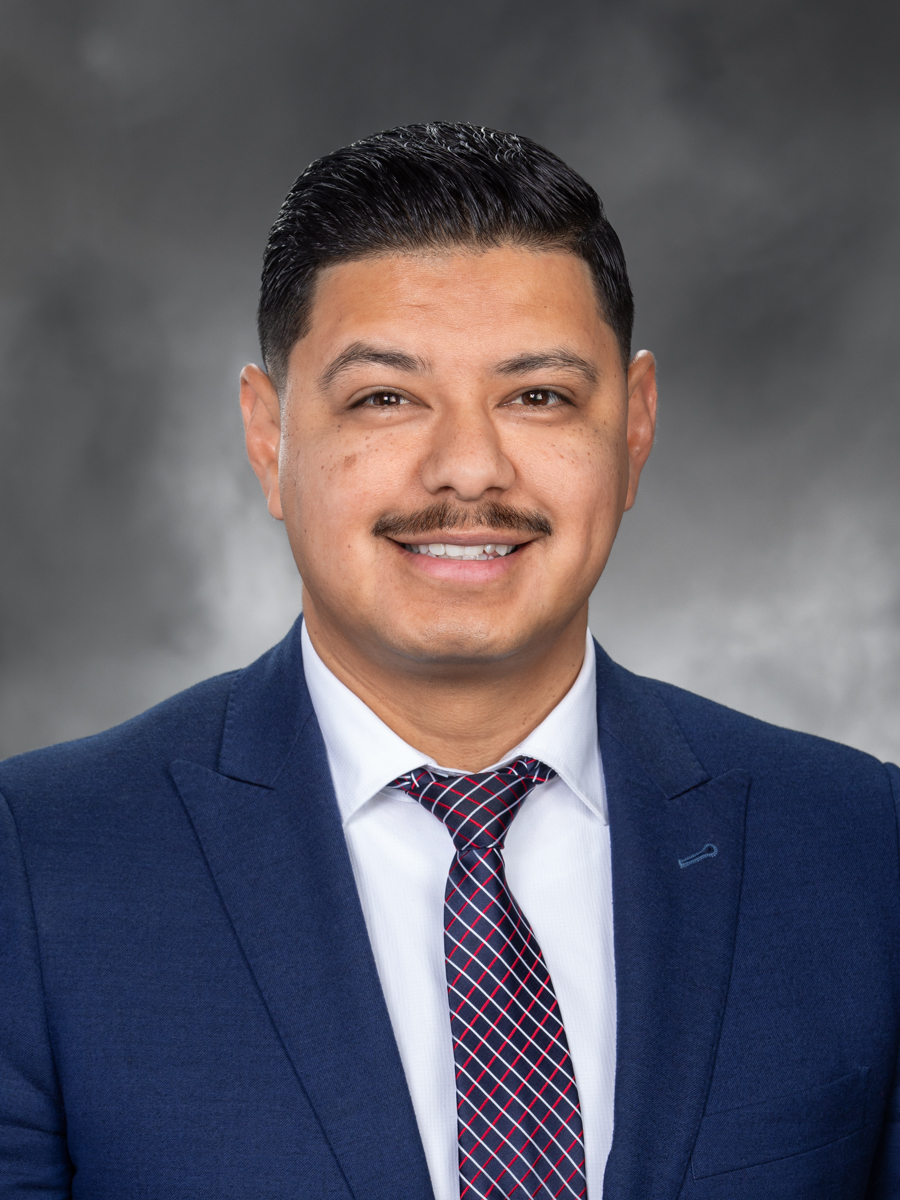
Rep. Julio Cortes
Sponsored bills
Maddy summaryHB 1388 establishes a mobile market program in Washington to expand access to fresh, healthy food for low-income households participating in the Women, Infants, and Children (WIC) and senior farmers market nutrition programs. The bill allows nonprofit mobile markets - operating in areas without farmers markets - to accept these nutrition benefits, directly supporting rural and food desert communities. Key provisions require mobile markets to be nonprofit, serve underserved areas, and obtain USDA approval via waiver to accept benefits. This policy change modernizes existing federal nutrition programs by extending access to mobile food services, benefiting both participants and local farmers.
Maddy summaryHB 1423 authorizes cities in Washington State with populations of at least 2,000 to participate in a pilot program using automated vehicle noise enforcement cameras. These cameras would be deployed in designated "vehicle-racing camera enforcement zones" to detect vehicles exceeding maximum permissible sound levels. The Washington Traffic Safety Commission is tasked with overseeing this program and reporting on its implementation and findings to the legislature by January 2028. The section establishing this pilot program is set to expire in July 2028.
Maddy summaryHB 1773 creates a state-administered wage replacement program for Washington workers excluded from traditional unemployment insurance, such as gig workers, domestic workers, and others not covered by standard UI. It directly affects eligible residents who meet specific Washington residency requirements (e.g., utility bills, school enrollment, or state ID) and experienced job loss. Key provisions include establishing a dedicated wage replacement account for funding payments, requiring the state to contract a third-party administrator to process applications and disburse funds, and forming an advisory committee with worker, immigrant, and employer representation. The program aims to provide financial support during unemployment for this excluded group, with implementation required by July 2026.
Maddy summaryHB 1235 requires Washington counties and cities to submit housing elements and development regulations to the state Department of Commerce for compliance review before they take effect. Jurisdictions must submit applications within 10 days of amendments or by six months after comprehensive plan updates, with the department issuing a final compliance decision within 90 days. The bill establishes a public compliance list showing each local government’s submission status and review outcome, and prohibits denying affordable housing projects without meeting specific conditions, such as having a state compliance determination. This directly affects all local governments required to plan under the Growth Management Act, ensuring their housing plans align with state laws on affordability, environmental standards, and zoning.
Maddy summaryHB 1429 creates a state-funded housing assistance program for youth in Washington's extended foster care system (ages 18-21) who are homeless or at risk of homelessness. The program provides up to 36 months of rental assistance, capping housing costs at 30% of a youth's income (up to 40% if rent exceeds fair market rent in their area), while allowing them to retain extended foster care support. It requires the state department to partner with qualified housing providers and conduct annual housing status checks. Additionally, the bill mandates transition planning three months before a youth turns 21, including referrals to housing vouchers, benefits, and services to support long-term stability. This addresses a gap where youth often lose foster care support when accessing federal housing programs.
Maddy summaryHB 1163 enhances requirements for firearm purchases, transfers, and possession in Washington state. The bill mandates that individuals obtain a valid permit to purchase firearms from the Washington State Patrol firearms background check program before acquiring a firearm. It also specifies requirements for firearms safety training programs, outlines circumstances for delayed firearm transfers, and requires recordkeeping for all transfers. These changes directly affect individuals seeking to purchase or transfer firearms and licensed firearm dealers, modifying the existing background check and sales processes.
Maddy summaryHouse Bill 1515 modernizes the regulation of alcohol service in public spaces for liquor licensees and local governments in Washington state. Until December 31, 2026, it allows local governments to request expanded outdoor alcohol service for certain licensees, offering flexibility for outdoor area enclosures and the ability for multiple businesses to share these spaces. Additionally, until December 31, 2027, the bill authorizes expanded indoor and outdoor alcohol service in designated fan zones or host cities during specific events. This enables multiple licensees to operate within a shared, approved event area, provided local governments ensure public safety and cleanliness. The bill aims to facilitate safe event experiences, particularly in preparation for a major international sports event in 2026.
Maddy summaryHouse Bill 1109 modifies the regulations for public facilities districts concerning their authority to impose sales and use taxes. It extends the maximum period for collecting these taxes from 40 years to 55 years when used to finance or refinance regional centers and related parking facilities. The bill also specifies the conditions under which certain public facilities districts are eligible to impose these taxes and allows them to increase their tax rates to mitigate documented revenue losses from past legislative changes.
Maddy summaryHouse Bill 1733 increases the maximum reimbursement amounts for moving and relocation expenses for individuals, businesses, farms, and nonprofit organizations displaced by government agency projects. The bill raises the general cap for reestablishing a displaced business, farm, or nonprofit to $200,000. Additionally, it sets a temporary cap of $100,000 for state agency displacements until August 1, 2030, and mandates an annual 2% inflation adjustment to these caps starting in August 2025.