

Maddy summaryHB 1056 empowers Washington's Attorney General to investigate and take legal action against local law enforcement and corrections agencies for systemic misconduct, such as excessive force, discriminatory practices, or inadequate detention conditions. The bill allows the AG to issue civil investigative demands, file lawsuits for systemic reforms, and seek court-ordered policy changes without addressing individual officer misconduct. It specifically applies to county and city agencies (excluding state entities like the Washington State Patrol) and requires coordination with federal investigations. The law does not replace existing legal remedies but aims to promote consistent accountability and transparency in local policing and corrections practices.
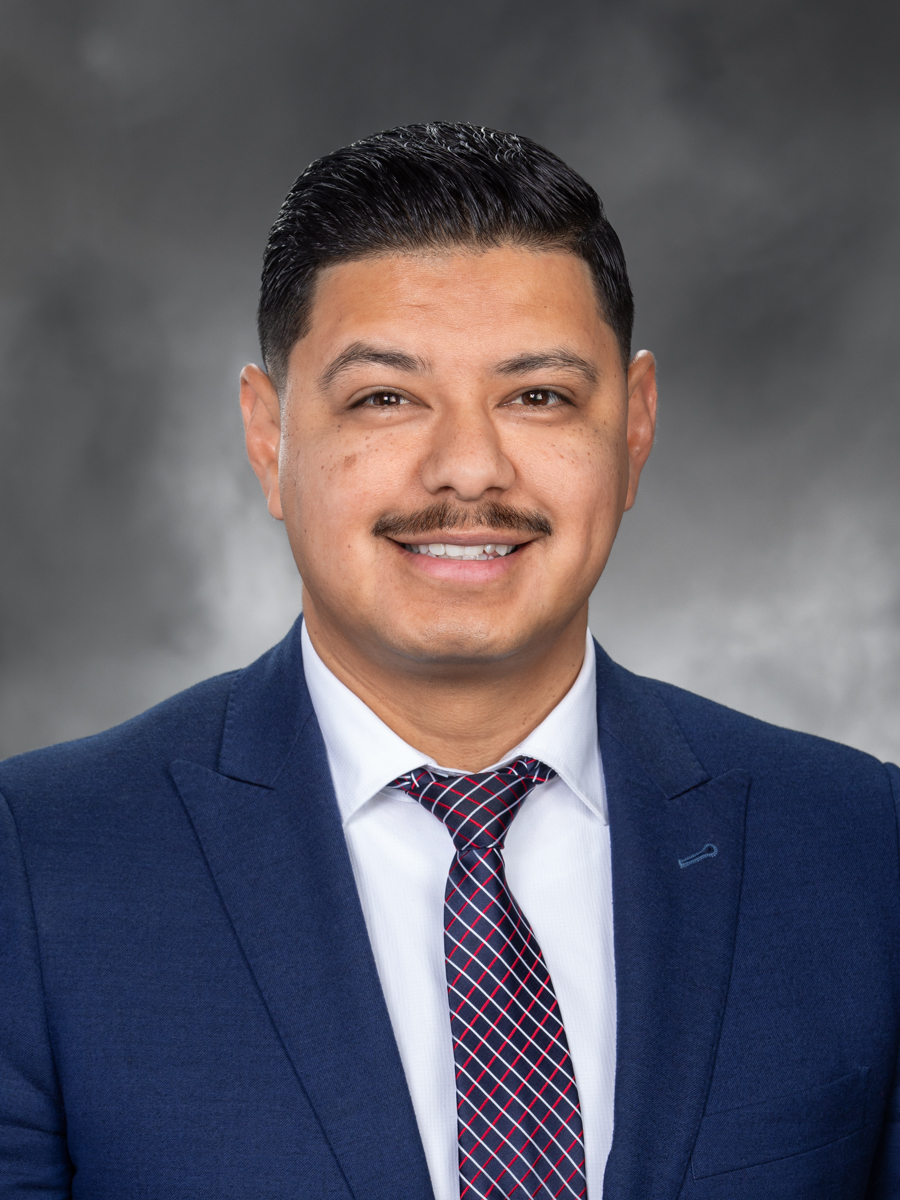
Rep. Julio Cortes
Sponsored bills
Maddy summaryHB 1882 imposes a temporary 2% state tax on short-term lodging (like hotels and vacation rentals) for stays between April 1, 2026, and September 30, 2026, affecting businesses that provide such accommodations. The tax applies to reservations made after the bill's effective date and excludes stays of one month or longer. Revenue collected will fund a new "enhanced tourism account," with 25% distributed to counties based on tax collection, 25% supporting human trafficking victim programs, and 50% for state tourism initiatives. The tax and account expire on July 1, 2027, with any remaining funds transferred to the state general fund.
Maddy summaryHB 1493 changes the age at which individuals receiving developmental disabilities services in Washington state can access employment programs, lowering the starting age from 21 to 19. It requires the state agency to provide employment services beginning at age 19 and mandates that clients enrolled in employment programs for nine months may transition to community inclusion programs (and return to employment programs at any time) without prior department approval. The bill also requires the agency to clearly inform clients and their legal representatives about all service options, including the types of activities and service durations available under each program. Additionally, it directs the agency to develop rules for exceptions to the nine-month requirement and to expand community inclusion programs to support greater community integration. This bill takes effect October 1, 2025.
Maddy summaryHB 1492 requires Washington public colleges and universities to offer early course registration to students with dependents starting in the 2025-26 academic year. It directly affects students who are parents or caregivers for children under 18, or individuals with disabilities/elderly relatives dependent on them. Institutions must create processes to prioritize these students for early registration - new students must complete admission, while continuing students must meet current enrollment requirements. The law defines "dependents" as children under 18 or those requiring the student's care due to disability, age, or health needs.
Maddy summaryHB 1383 establishes a state grant program to provide funding for diaper banks to purchase and distribute essential baby items like diapers and wipes to families in need. The program prioritizes providers serving marginalized low-income communities or communities of color, or those with proven capacity to distribute baby essentials at scale. Grant recipients must apply through the department, which will annually report awarded funds on its website. This bill directly affects families accessing baby supplies and diaper bank providers operating in Washington state.
Maddy summaryHB 1723 requires Washington school districts to mandate pre-hire union agreements (called "project labor agreements") for construction projects exceeding $35 million. These agreements must cover all labor on the project, prevent strikes, include dispute resolution, and ensure fair competition among contractors. The bill exempts projects under specific statutes, smaller projects, or those with urgent needs, and allows exceptions if requiring such agreements would hinder competition or efficiency. It directly affects school districts managing large-scale construction and contractors working on eligible projects.
Maddy summaryHB 1991 exempts email addresses of individuals who subscribe to regular communications (like newsletters) from certain state agencies from public records disclosure under Washington's public records law. It directly affects people who sign up for agency updates, protecting their email addresses from being publicly accessible. The bill amends existing law (RCW 42.56.230) to add this specific exemption, ensuring these email addresses are not subject to public inspection requests. This is a procedural change focused on privacy protection for subscribers.
Maddy summaryHB 1322 in Washington State changes how courts handle juvenile sentencing for youth under 18 found responsible for offenses. It requires courts to make a stronger, evidence-based case before sending youth to confinement for more than 30 days, instead of community-based options. Courts must now consider factors like the youth's age, mental health, developmental needs, criminal history, and whether community supervision could safely meet rehabilitation goals. The bill expands community placement opportunities and limits confinement, directing courts to prioritize less restrictive dispositions unless clear evidence shows community safety would be at risk.
Maddy summaryHB 2025 adds a new $300 annual tax credit for low-income renters in Washington who pay sales or use tax. Eligible residents must have rented their primary residence for at least 183 days during the year and meet existing credit requirements. The credit, effective starting in 2026, will be adjusted annually for inflation based on the Seattle consumer price index. This directly supports residential tenants whose rent includes property tax costs, expanding the existing working families' tax credit program.
Maddy summaryHB 1386 imposes an 11% sales tax on retail purchases of firearms, firearm parts, and ammunition in Washington State. This tax applies to all retail transactions except sales to state, local, or tribal governments for law enforcement use. Revenue from the tax must fund programs focused on suicide prevention, reducing firearm-related domestic violence, and supporting victims' services. The bill directly affects firearm retailers and individual purchasers, with no exemption for government agency purchases.