

Maddy summaryThis bill requires all cities and towns in Washington to allow child care centers (including converting existing buildings) as an outright permitted use in every zoning area except industrial zones, without needing special approval. It permits local governments to impose minor restrictions on permits, such as designated pickup/drop-off areas. Cities required to update comprehensive plans in 2027 must incorporate these rules by then, while all other cities must implement them within two years of the law taking effect. The policy directly affects child care providers seeking locations and local governments managing zoning regulations.
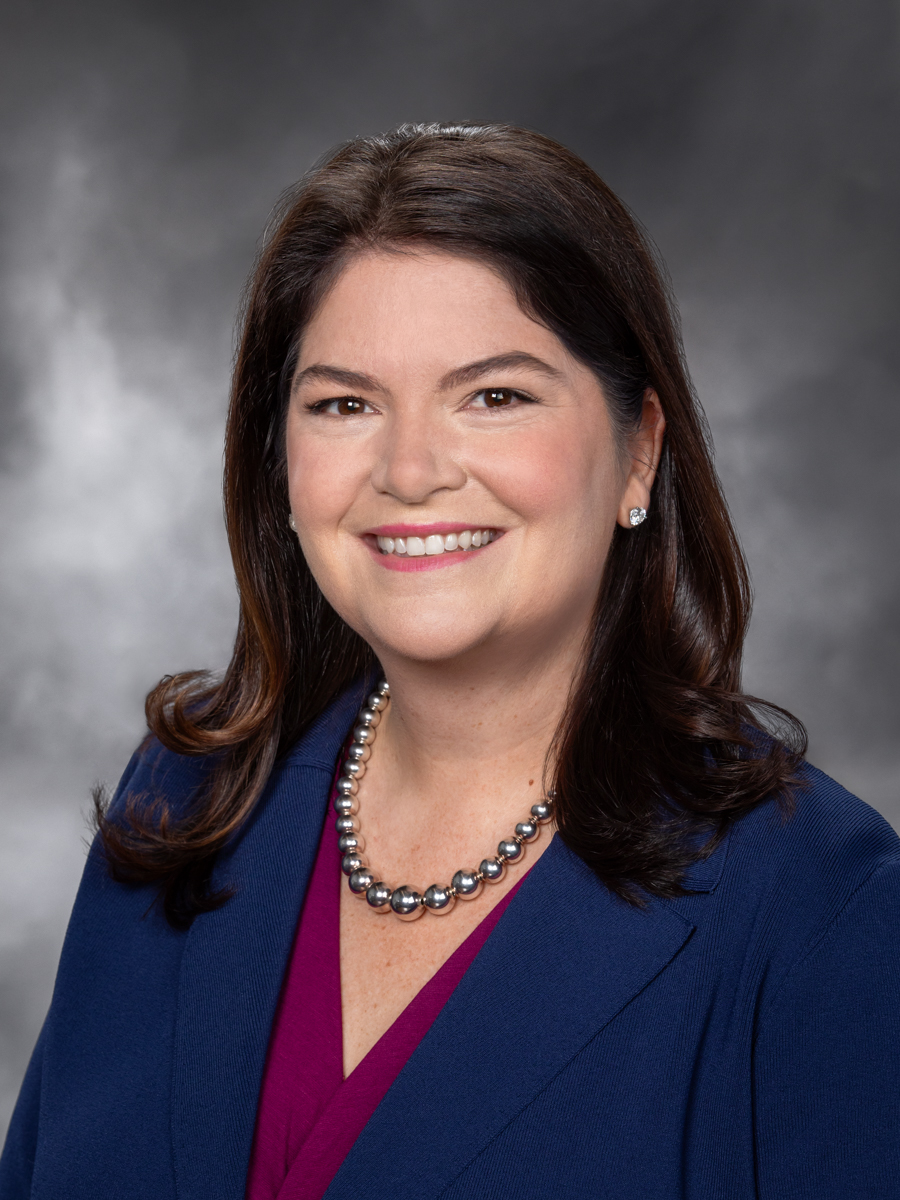
Rep. Liz Berry
Sponsored bills
Maddy summaryHB 1425 requires Washington health insurance plans (including Medicaid) to cover genetic testing that helps match patients with effective mental health medications, starting January 1, 2026. Insurers cannot require prior authorization or force patients to try ineffective medications first. Coverage must include tests approved by the FDA or supported by clinical guidelines and research evidence. This applies specifically to psychotropic medications prescribed for conditions like depression, aiming to reduce the trial-and-error process that leaves many patients without relief.
Maddy summaryHB 1630 requires dairy farms and certified feed lots in Washington State to annually report their methane emissions starting January 1st following rule adoption. It directly affects licensed dairies (under chapter 15.36 RCW) and certified feed lots by mandating they submit annual reports detailing total methane emissions from the previous year. The bill allows initial reports to use a three-month average for estimation and directs the department to establish reporting rules and schedules. This legislation aims to fill a data gap in understanding livestock methane contributions to greenhouse gas emissions, without setting emission limits or requiring reductions.
Maddy summaryHB 2045 creates a new 1% tax on businesses with over $250 million in annual revenue in Washington starting January 2026, targeting large corporations. It also increases the tax rate for financial institutions from 1.2% to 1.9% after July 2025. The bill exempts manufacturers, farmers, and certain income types from the new tax. These changes aim to fund K-12 education, public safety, health care, and basic needs programs, as stated in the legislative findings.
Maddy summaryHB 1555 changes how Washington state pays nursing homes for services starting July 1, 2025. It replaces the current system with a new three-part payment structure: direct care (covering staffing and therapy), indirect care (administrative and maintenance costs), and capital (facility costs). Payment rates will be adjusted annually based on the most recent cost data, with specific caps limiting how much rates can increase compared to previous years (e.g., a 142% cap for 2025). The bill directly affects nursing home providers receiving state Medicaid payments across Washington, aiming to better align payments with actual operating costs while maintaining minimum staffing standards.
Maddy summaryHB 1306 creates two pathways for international medical graduates (IMGs) to obtain full medical licenses in Washington without completing standard U.S. postgraduate training. The primary pathway requires 48 months of supervised clinical practice under a licensed physician, followed by assessments and documentation to demonstrate competence. A hardship pathway also allows waivers for specific situations like refugee status or persecution, though it excludes failures in standard exams. The bill directly affects IMGs seeking to practice in Washington, modifying existing licensing rules to accommodate their credentials. It does not change requirements for U.S.-trained physicians but provides alternative routes for qualified IMGs.
Maddy summaryHB 1503 aims to further digital equity and opportunity for all residents in Washington state, particularly focusing on underserved populations. The bill intends to broaden access to the internet, appropriate devices, and digital skills by expanding state assistance and support programs. It clarifies the collaboration between the Department of Commerce, responsible for broadband infrastructure, and the Office of Equity, which focuses on providing digital devices and services to individuals. Additionally, the bill updates definitions for terms like "broadband," "digital equity," and "low-income" households to enhance these efforts.
Maddy summaryHB 1412 establishes the Washington State Commission on Middle Eastern and North African Americans to address systemic gaps affecting this community. The commission will focus on improving data collection about MENA populations and advising state agencies and the legislature on policies impacting their needs, such as healthcare access, housing, and education. It requires the governor to appoint 12 diverse members with balanced representation across ethnicities, geography, gender, age, and occupations, serving staggered terms. The commission’s primary duties include developing consistent data collection methods, recommending policy changes, and coordinating community recognition events, while explicitly avoiding overemphasis on religion or international policies.
Maddy summaryHB 1561 extends key labor protections to domestic workers in Washington state, including nannies, house cleaners, home care workers, and household managers. The bill requires employers to pay the state minimum wage, provide overtime pay for hours over 40 per week, mandate 30-minute meal breaks after 2-5 hours of work, and guarantee 10-minute rest breaks every four hours. It also mandates written employment agreements in understandable language covering pay, schedule, and benefits, while prohibiting waivers of legal rights or forced arbitration clauses. The law explicitly excludes casual babysitters, family members, and workers in certain home-sitting roles from coverage.
Maddy summaryHB 1449 legalizes home cultivation of cannabis for Washington residents aged 21 and older. The bill allows individuals to grow up to six cannabis plants per household (with a maximum of 15 plants total per residence) and possess cannabis products within state-set limits, including up to 1/2 ounce of useable cannabis. It prohibits visible cultivation from public view or neighboring properties and restricts non-commercial sharing to no more than 1/2 ounce per 24 hours among adults 21+. The law does not apply to minors, commercial activity, or public consumption.