

Maddy summaryThis bill (HB 2120) modifies reporting requirements for two separate programs, not the audit committee's work plans as the title suggests. It updates rules for how municipalities use lodging tax revenues (requiring applicants to estimate travel impacts and report actual visitor numbers) and mandates the Employment Security Department to report annually on training benefits program outcomes, including participant demographics, employment results, and program costs. The bill affects municipalities receiving lodging tax funds, tourism organizations, and the Employment Security Department. Key provisions require detailed annual reports on lodging tax usage and biennial reviews of training benefits by the joint legislative audit committee. The mismatch between the title and actual content appears to be an error in the bill's designation.
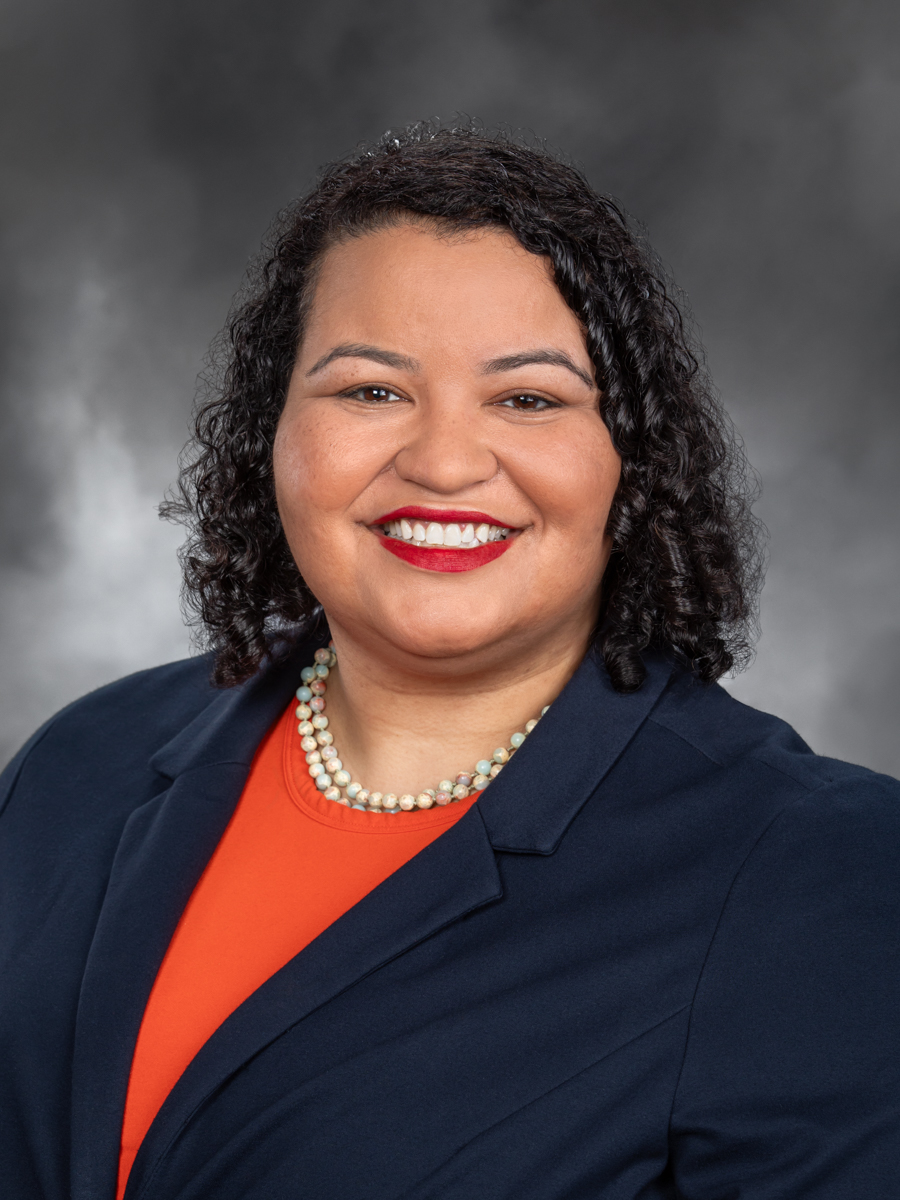
Rep. Julia Reed
Sponsored bills
Maddy summaryHB 2172 proposes changes to how Washington State manages highway jurisdiction transfers. It requires a new review process by a transportation commission for requests to transfer state highways over two miles long or including bridges to county or city control. The commission must evaluate these requests using existing criteria focused on road connectivity, traffic volume, and regional importance before making recommendations. This bill directly affects counties, cities, and the state transportation commission by altering the procedure for road management decisions.
Maddy summaryHB 2111 amends Washington state law to ensure the Interstate 5 bridge replacement project toll facility bond retirement account receives its proportionate share of investment earnings from the state treasury. The bill adds this specific account to a list of state funds that automatically receive earnings based on their average daily balance in the treasury. This change affects only the financial management of the I-5 bridge project's dedicated account, ensuring it benefits from the same investment returns as other similar state accounts. The bill does not create new funding or alter project scope - it simply corrects the accounting mechanism to include this account in existing earnings distribution rules.
Maddy summaryThis bill establishes new licenses for bonded wine and beer warehouses in Washington, allowing wineries, breweries, and designated businesses to store, handle, and ship alcohol directly to consumers while keeping it under tax bond. It requires license holders (like wineries, breweries, or warehouses) to maintain federal permits, post tax bonds, and follow security rules, prohibiting unauthorized warehousing by others. Key provisions include enabling direct-to-consumer shipping for wine and beer, specifying permitted handling services (like packaging and labeling), and clarifying tax obligations until alcohol is distributed to retailers or consumers.
Maddy summaryHB 2095 creates new legal protections for vulnerable road users (pedestrians, cyclists, etc.) in designated areas like sidewalks, crosswalks, and bike lanes. It requires law enforcement, prosecutors, and judges to complete training on negligent driving involving these users by 2027-2028. The bill establishes a legal presumption of negligence when a vulnerable user is injured or killed in a designated area, shifting the burden to vehicle operators to prove they weren't negligent. Plaintiffs can recover actual damages, $1,500 in statutory damages, and attorney fees, with punitive damages possible for repeat offenders.
Maddy summaryHB 2133 makes permanent a property tax exemption for multipurpose senior citizen centers that was originally established temporarily in 2017. The bill modifies state law to ensure these centers no longer lose their tax exemption after the temporary period ends, directly affecting qualifying senior centers that provide community services. This change removes the temporary nature of the exemption created under Chapter 301, Laws of 2017, ensuring ongoing tax relief for these facilities.
Maddy summaryHB 1574 expands "Good Samaritan" protections for individuals seeking or experiencing medical assistance during a drug-related overdose. The bill prevents these individuals from being arrested, charged, or prosecuted for drug possession if the evidence was obtained due to the overdose. It also protects them from civil forfeiture of property (with exceptions) and penalties for certain violations, such as probation or restraining orders, if these were discovered as a result of the overdose. Furthermore, it clarifies that these overdose protections can override mandatory arrest requirements for other offenses when the evidence is linked to the overdose and the need for medical assistance.
Maddy summaryHB 1717 creates a local sales and use tax remittance program for affordable housing projects in Washington. It allows cities and counties to adopt programs where developers of qualifying projects (with at least 50% units for low-income households at 30-38% of income for 40 years) can defer paying local sales taxes on construction costs. Developers must apply to local governments, meet affordability requirements, and complete projects within three years (extendable to five total), with local authorities setting application rules and oversight. The program directly affects nonprofit and for-profit housing developers, public housing authorities, and low-income households in qualifying projects.
Maddy summaryHouse Bill 1759 designates December 12th as "the day of the 12s" in Washington state. This bill adds the designation to a list of recognized days within state law that are not considered legal holidays for any purpose.
Maddy summaryHB 2272 updates Washington state law to replace outdated terms like "ski lift" and "rope tow" with modern terminology such as "aerial lift," "surface lift," and "conveyor" in statutes governing ski areas. The bill amends safety rules to reflect these terms, requiring skiers to follow conduct rules (e.g., no throwing objects, using designated embarkation areas) and clarifying that operators are not common carriers. It also mandates that ski area operators maintain $1 million in liability insurance per incident, applying to public facilities but exempting free, non-public tramways. This directly affects ski area operators, skiers, and winter sports participants by modernizing safety language and insurance requirements.