

Maddy summaryHB 1612 requires Washington's Office of the Superintendent of Public Instruction to subsidize exam registration and administration fees for Advanced Placement (AP), International Baccalaureate (IB), and Cambridge International exams taken by public high school students. This directly affects students in Washington state who participate in these college-level courses by reducing their financial barriers. The bill mandates annual reports tracking participation, credit awards, and academic performance, disaggregated by student demographics including gender, homelessness status, and language learning needs. A 2026 report will specifically analyze whether the fee subsidy changed exam pass rates and the demographic diversity of students enrolled in these programs.
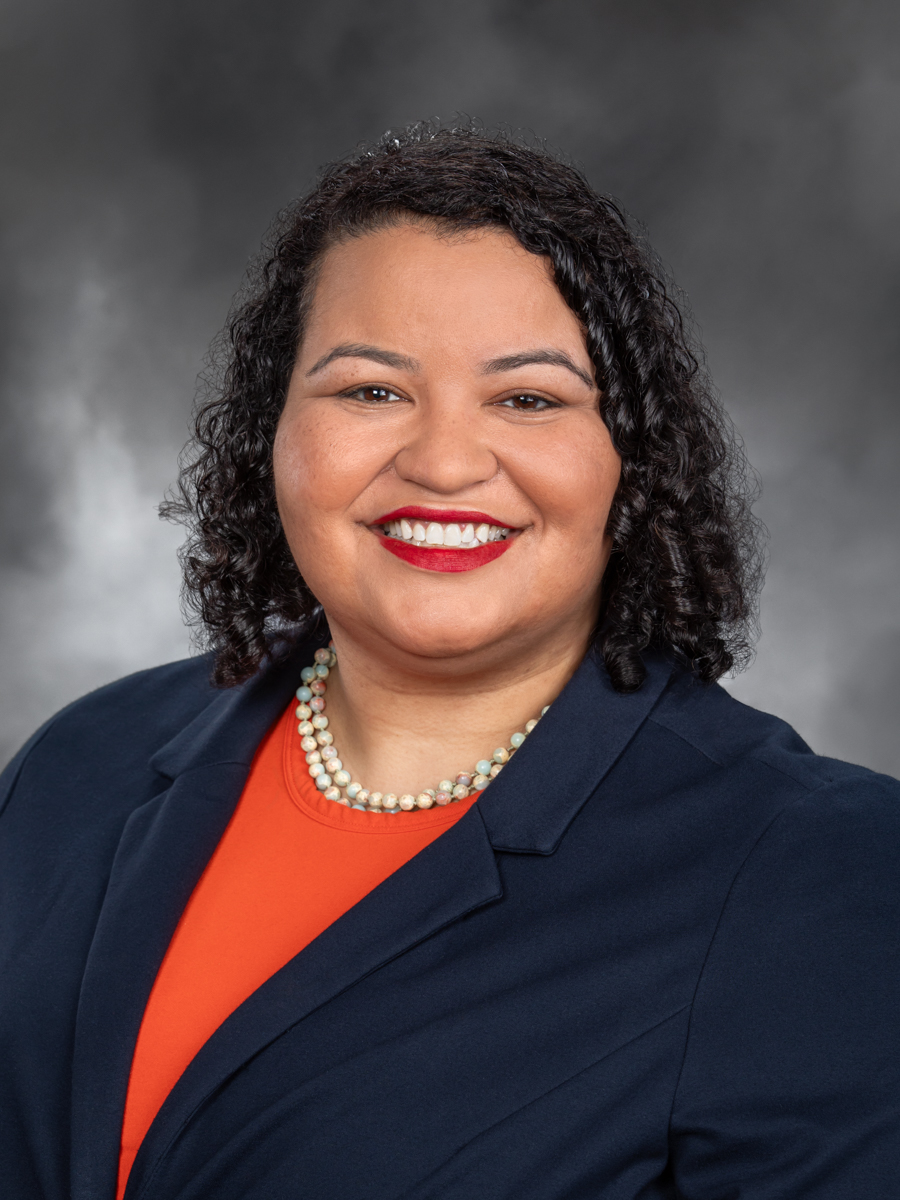
Rep. Julia Reed
Sponsored bills
Maddy summaryHB 1485 increases the maximum allowable annual increase for student services and activities fees at Washington state's public colleges and universities from 4% to 6%. This change applies to all institutions, allowing governing boards to raise these fees by up to 6% yearly (instead of 4%) if deemed reasonable by committees, to help cover rising costs for services like health care, counseling, recreation, clubs, and events. Community colleges have a separate rule tying fee increases to tuition growth, but the bill's main change is the higher 6% cap for all institutions. The bill aims to help schools maintain essential student services amid inflation without altering the existing fee approval process.
Maddy summaryHB 1388 establishes a mobile market program in Washington to expand access to fresh, healthy food for low-income households participating in the Women, Infants, and Children (WIC) and senior farmers market nutrition programs. The bill allows nonprofit mobile markets - operating in areas without farmers markets - to accept these nutrition benefits, directly supporting rural and food desert communities. Key provisions require mobile markets to be nonprofit, serve underserved areas, and obtain USDA approval via waiver to accept benefits. This policy change modernizes existing federal nutrition programs by extending access to mobile food services, benefiting both participants and local farmers.
Maddy summaryHB 1090 requires health benefit plans in Washington State (effective January 1, 2026) to cover a 12-month supply of contraceptive drugs at one time, rather than requiring multiple refills. This directly affects health insurers and enrollees, mandating that plans provide this coverage unless an enrollee or provider requests a smaller supply. Key provisions include allowing on-site dispensing at providers' offices (when available) and requiring plans to follow clinical guidelines for appropriate prescribing. The bill defines "contraceptive drugs" to include all FDA-approved pregnancy prevention medications, such as oral, transdermal, and intravaginal hormonal drugs.
Maddy summaryHB 1448 establishes statewide rules for local governments adopting ranked choice voting (RCV) in elections. It allows counties, cities, school districts, fire districts, and port districts to use RCV for local offices, requiring ballots to let voters rank candidates in order of preference (with at least five rankings per office) and setting clear counting rules for single-winner (instant runoff) and multi-winner (single transferable vote) contests. The bill mandates that single-winner RCV elections must first hold a traditional primary to narrow candidates to five, while multi-winner contests skip primaries. It also requires local governments to implement RCV within two years of adoption and directs the Secretary of State to create rules for ballot design and vote tabulation by May 2026.
Maddy summaryHB 1312 changes how Washington state retirement benefits are handled when a retiree or beneficiary dies mid-month. Currently, if someone dies on the 25th of a 30-day month, their estate must repay five days of benefits already received that month. The bill requires the Department of Retirement Systems to pay benefits through the end of the death month (e.g., until the 30th), with survivor benefits starting the first day of the next month. This applies only to future cases starting January 1, 2026, and does not affect past repayments made before that date.
Maddy summaryHB 1507 prohibits health care providers in Washington from including nondisclosure or nondisparagement clauses in agreements that prevent patients from discussing potential medical malpractice, torts, or crimes related to their care. It makes such clauses void and unenforceable, directly affecting patients who might otherwise be silenced about alleged errors by providers. The bill allows providers to still protect non-malpractice confidential information and requires written notice to patients about invalid clauses in past agreements. Violations carry $10,000 in damages plus legal fees, and the law applies retroactively to agreements signed before its effective date.
Maddy summaryHB 1619 amends Washington state law to clarify that representatives for employers of dockworkers (who work interchangeably across multiple employers under collective bargaining agreements) are responsible for collecting paid family leave premiums, rather than individual dockworkers. This change directly affects dockworkers covered by such collective bargaining agreements, ensuring their employer representatives handle premium collection. The bill modifies the definition of "Employer" in RCW 50A.05.010 to specify that these representatives are not required to report dockworkers not covered by the collective bargaining agreement. The policy change streamlines premium collection for this workforce segment without altering eligibility or benefit amounts.
Maddy summaryHB 1839 imposes a 1.22% surcharge on select advanced computing businesses with global revenue exceeding $25 billion annually, targeting large tech firms engaged in software, cloud services, or platforms like social media. The tax applies to affiliated groups (e.g., parent companies and subsidiaries), with exemptions for hospitals and healthcare providers. Revenue generated will fund workforce programs, including expanding the Washington College Grant for families earning up to 70% of median income, increasing STEM teacher training, growing in-state college seats, and supporting student work-study in STEM fields. The bill aims to address a projected 600,000-worker shortfall by directing funds to education and training aligned with high-demand sectors like technology and healthcare.
Maddy summaryHB 1520 expands pharmacists' authority in Washington to prescribe certain medications and devices for managing chronic diseases, directly affecting patients in rural and underserved communities facing healthcare access challenges. The bill amends pharmacy law (RCW 18.64.011) to permit pharmacists to practice at the top of their training, including prescribing within defined scope for chronic conditions. Key provisions allow pharmacists to administer, dispense, and manage medications under specific protocols, improving care coordination without requiring physician oversight for these services. This change aims to address provider shortages by leveraging pharmacists' expertise to enhance patient outcomes in primary care settings.