

Maddy summaryHB 1433 would establish a regulated system in Washington for adults 21+ to access psychedelic substances for therapeutic use under licensed professionals. It directs the Department of Health to license facilitators and service centers, and the Liquor & Cannabis Board to oversee manufacturers and testing, requiring sessions in controlled environments with trained guides. The bill emphasizes reducing costs to improve equity, particularly for historically disadvantaged communities, while explicitly stating it does not require insurance coverage or override federal law. This would create a legal framework for safe, supervised use and research, pending legislative approval.
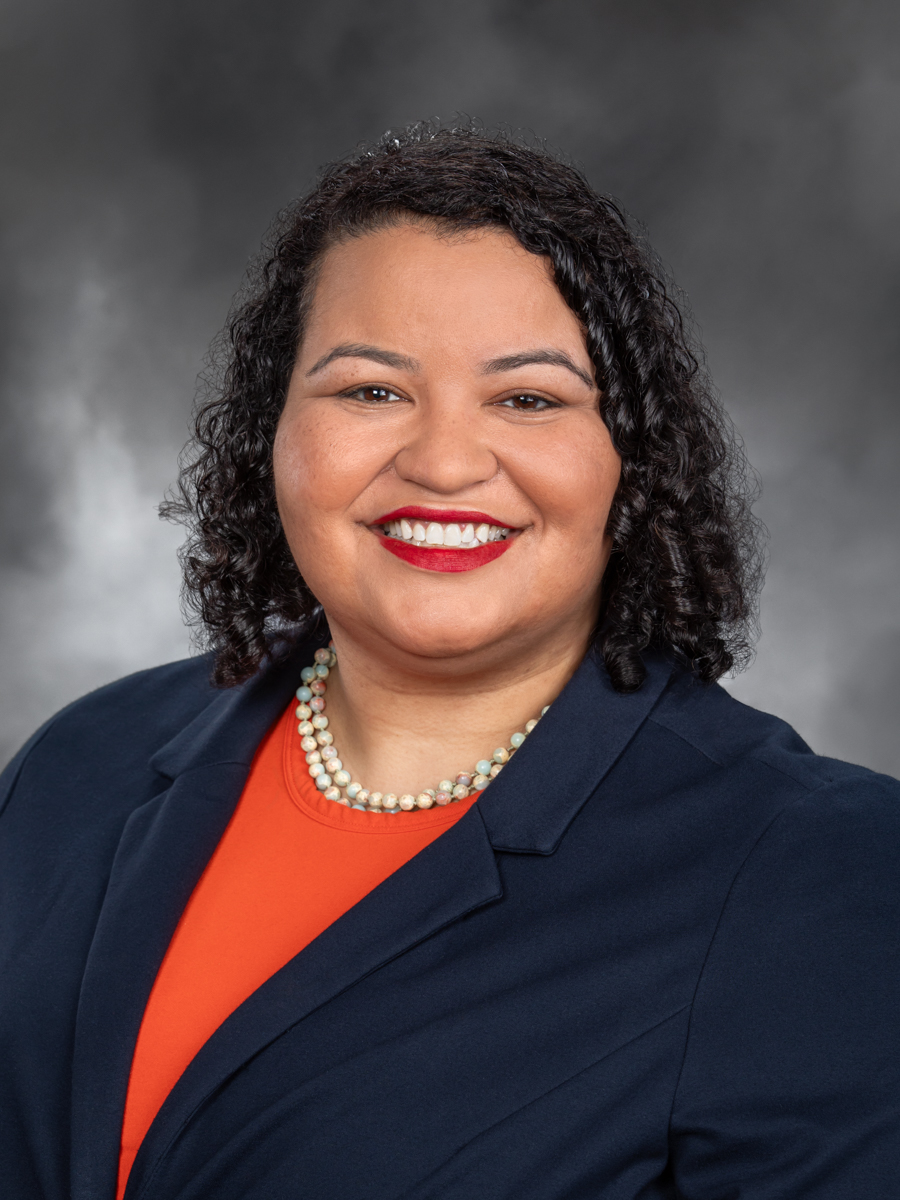
Rep. Julia Reed
Sponsored bills
Maddy summaryHB 1739 regulates self-service checkout stations in Washington state grocery stores over 15,000 square feet. It requires stores to offer at least one manual checkout station for every customer when self-service is available, limit self-service transactions to 15 items (with visible signage), and ensure one employee monitors no more than two self-service stations at a time while relieved from other duties. Stores must also include self-service checkout in workplace hazard analysis for safety programs. The law exempts discount warehouses selling primarily bulk items and imposes daily civil penalties of $100 (capped at $10,000) for violations.
Maddy summaryThis bill requires Washington's Department of Children, Youth, and Families (DCYF) to improve financial stability for youth in its care (under 18, in foster care or juvenile justice placements) by changing how Social Security benefits are managed. Starting January 2026, DCYF cannot use Social Security benefits (like SSI or disability payments) to reimburse itself for care costs. Instead, it must screen youth for eligibility, apply for benefits on their behalf, maintain those benefits, and place excess funds in special accounts (like ABLE accounts) to avoid affecting eligibility. DCYF must also provide financial literacy training to youth aged 14+ who may receive benefits, ensuring they understand managing their funds before transitioning out of care.
Maddy summaryHB 1076 establishes a structured process for Washington State’s health technology assessment program, directly affecting state health programs (like Medicaid) that decide which medical technologies qualify for coverage. The bill requires the state to systematically review health technologies prioritized based on Medicare coverage, expert guidelines, safety concerns, high costs, or significant usage variations, with up to eight reviews annually. Key provisions mandate evidence-based assessments of safety, efficacy, and cost-effectiveness - considering patient input and unique impacts on populations (e.g., age, disability) - and require decisions within 180 days of submission. The program must align with federal Medicare decisions unless new evidence supports a different conclusion, ensuring transparency through public comment and written explanations for denied requests.
Maddy summaryHB 1298 requires public four-year universities in Washington to provide and pay for insurance coverage for student athletes (both current and former athletes eligible for post-eligibility health care under athletic association rules). This insurance specifically covers athletics-related injuries and illnesses, including emergency evacuation and repatriation costs. The bill mandates that institutions, not students, bear the full cost of this coverage. It directly affects student athletes at public universities participating in intercollegiate sports and their post-eligibility health care access.
Maddy summaryHB 1979 updates Washington’s certificate of need requirements for hospitals offering elective heart procedures (like angioplasty) without on-site cardiac surgery. It requires the Department of Health to conduct an independent review of safety, access, costs, and training needs - specifically ensuring the University of Washington maintains sufficient procedure volumes for cardiologist training - before setting new rules. The bill also clarifies exemptions for large health plans (with 50,000+ members) and their facilities to offer specialized care without a certificate of need, provided they meet accessibility and patient enrollment criteria. These changes aim to balance hospital flexibility with system stability and equitable patient access to cardiac care.
Maddy summaryHB 1616 expands the definition of "unlawful transit conduct" to explicitly include Washington State Ferries. This means that behaviors previously prohibited on other public transit, such as smoking, littering, playing loud music without headphones, or consuming open alcoholic beverages, will now also apply to state ferries. The bill amends existing law by adding "ferry boat" to the definition of a transit vehicle and "the Washington state ferries" to the definition of a transit authority. Individuals found in violation of these rules on state ferries could be guilty of a misdemeanor.
Maddy summaryHB 1333 requires detention facilities and private detention facilities to annually report to the Department of Health the number of people experiencing miscarriage, stillbirth, or perinatal loss while incarcerated. The Department of Health must then compile these reports into an annual statewide summary for the legislature, with the first report due by December 2026. The summary will include only aggregate data without personal identifying information about individuals. The bill repeals an unrelated law about concealing birth (RCW 9.02.050) but focuses solely on tracking pregnancy loss data in correctional settings.
Maddy summaryHB 1274 retroactively removes certain juvenile convictions from sentencing calculations for people incarcerated under sentences imposed before July 23, 2023. It allows eligible individuals - currently incarcerated with a release date on or after July 1, 2026 - to petition for resentencing if they have served specific percentages of their sentence (e.g., 80% by 2026, 60% by 2026, 40% by 2027, or any time after 2028). The bill requires courts to grant resentencing unless the petitioner has serious disciplinary violations, lacks rehabilitation evidence, or poses a high recidivism risk. This applies specifically to those impacted by prior juvenile convictions that were counted in adult sentencing under outdated rules, disproportionately affecting Black, Indigenous, and People of Color.
Maddy summaryHB 1580 changes how Washington state funds career-focused high school courses in alternative learning programs. It requires school districts to calculate funding separately for each student in these programs based on the standard per-student allocation for grades 9-12 general education, excluding small high school enhancements. The bill also adds extra state funding specifically for vocational courses within these alternative programs. This directly affects school districts offering career and technical education in non-traditional learning settings, ensuring they receive dedicated funding aligned with vocational program needs.