

Maddy summaryHB 1732 limits large investment and business entities from purchasing additional single-family homes in Washington to increase housing affordability for residents. It prohibits entities owning more than 25 single-family homes (business entities) or any investment entity (like real estate trusts managing pooled investor funds) from buying more homes, with exemptions for nonprofits, necessary renovations, or short-term development projects. Violators face civil penalties up to $100,000 per violation and must sell the property to a third party within one year. The law aims to address Washington’s housing crisis, where investor ownership has risen significantly while home prices have surged 55% since 2018. It adds these provisions as a new chapter in Washington’s consumer protection law (Title 19 RCW).
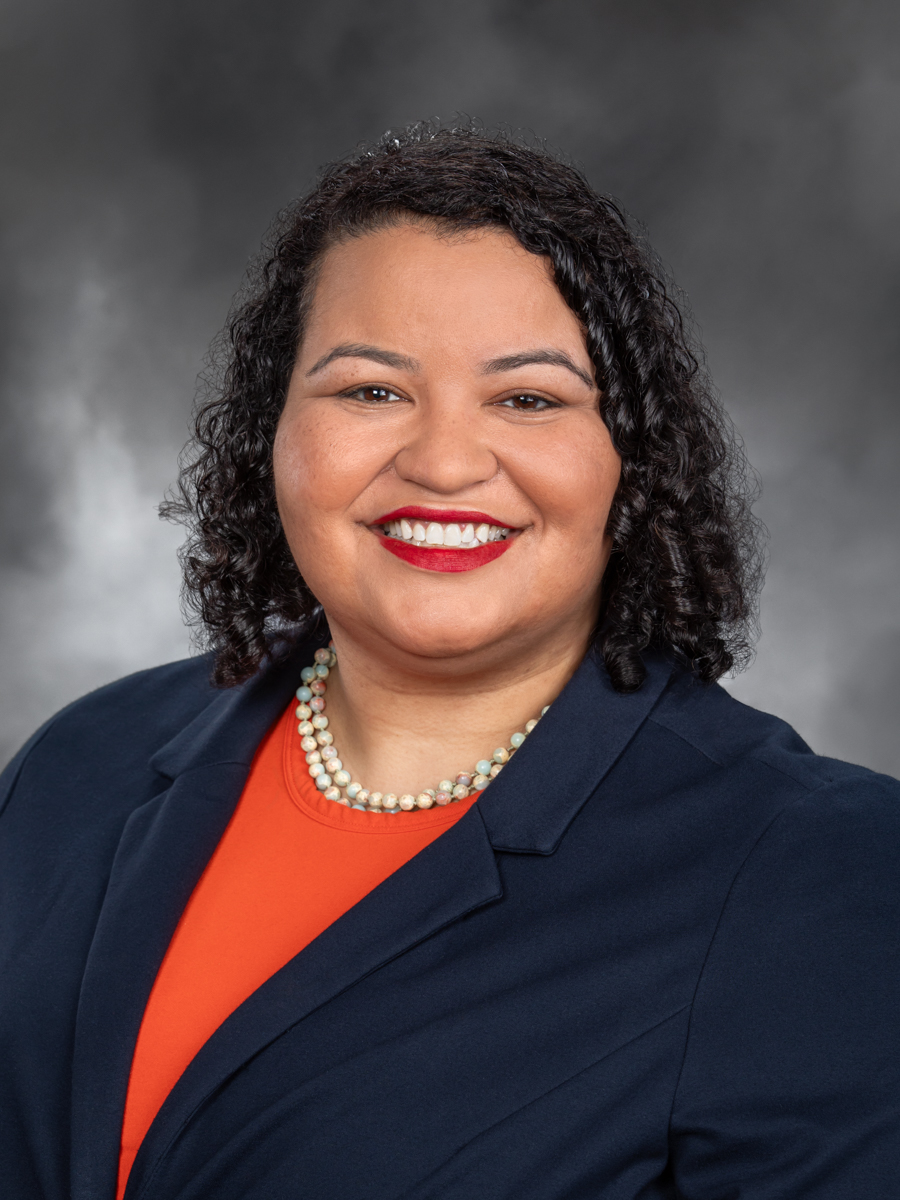
Rep. Julia Reed
Sponsored bills
Maddy summaryHB 1767 adjusts how Washington state provides supplemental funding to school districts based on their enrichment levies. It calculates state assistance as a fraction of a district's actual levy rate (capped at $1.50 per $1,000 assessed value) for districts below that threshold, while districts meeting or exceeding it receive full maximum assistance. The bill also sets a per-pupil funding limit ($2,500 or $3,000, adjusted for inflation) based on district size for enrichment levies, and includes specific provisions for state-tribal education compact schools. This directly affects school districts collecting enrichment levies, particularly smaller districts and tribal schools, by changing how their local levy efforts translate to state funding.
Maddy summaryHouse Bill 1402 makes it an unfair practice for Washington state employers to include a driver's license requirement in job advertisements or applications unless the position's core functions genuinely necessitate operating a motor vehicle. This bill clarifies that transportation to and from the job site does not constitute a job function requiring a driver's license. Individuals harmed by a violation can pursue civil action to stop the practice and recover damages and attorney's fees.
Maddy summaryHB 1437 establishes a new governance structure for Washington's state tourism marketing authority, requiring a board of 13 members (including nine tourism industry experts appointed by the governor) to oversee promotion efforts. It directs a tourism self-assessment advisory group - representing sectors like lodging, attractions, and transportation - to evaluate implementing an industry-funded fee for sustainable tourism marketing, with recommendations due by November 1, 2025. The bill specifically aims to address current funding gaps (currently $4.5 million annually) by exploring a self-supported model that could generate dedicated revenue, though it does not mandate implementation. The authority and advisory group provisions expire June 1, 2026.
Maddy summaryHB 1680 creates a new "oral preventive assistant" license in Washington, allowing trained professionals to perform specific preventive dental services under a dentist's supervision. It directly affects dental practices and patients seeking routine care by expanding who can provide services like cleanings (prophylaxis) and basic gum checks (periodontal probing) for patients with healthy mouths. The bill establishes training requirements, defines the scope of allowable tasks (such as dental assisting duties and non-invasive procedures), and mandates that dentists verify assistants' competency before assigning tasks. This aims to increase access to preventive dental care by adding a new tier of dental support staff, while maintaining dentist oversight for complex procedures.
Maddy summaryHB 1744 makes it a crime to steal, alter, or fraudulently use gift cards by explicitly defining them as "access devices" under Washington's theft and fraud laws. It expands criminal penalties for obtaining gift cards through deception, such as altering barcodes or stealing unused cards from retail locations. The bill directly affects individuals who commit gift card theft or fraud, including those who take unused cards from stores or manipulate them to access funds. Key provisions clarify that "obtaining control" of a gift card through deception - like falsely claiming ownership - constitutes a violation. This law strengthens existing theft statutes to specifically address gift card-related criminal activity.
Maddy summaryHB 1335 adds "military spouse status" to Washington's anti-discrimination law, making it illegal for employers to discriminate against military spouses in hiring, firing, or employment conditions. The bill explicitly includes military spouses as a protected class under existing laws that prohibit discrimination based on race, gender, disability, and other factors. It amends Washington’s civil rights statute (RCW 49.60) to guarantee military spouses the right to "obtain and hold employment without discrimination" and provides legal recourse for violations. This change directly affects military spouses in Washington and all employers covered by the state’s anti-discrimination law.
Maddy summaryHB 1480 would allow any Washington county to impose a 0.5% tax on real estate sales to fund affordable housing, but only with voter approval. The tax revenue must be used exclusively for developing housing for very low, low, and moderate-income residents, including construction, rehabilitation, and maintenance. Counties must create a spending plan with public input before seeking voter approval, and the tax would be collected from both buyers and sellers (with at least half of the burden on the buyer). The tax would take effect 30 days after voter approval.
Maddy summaryHB 1518 establishes a legal presumption that major vehicle operators (weighing 200+ lbs or exceeding 28 mph) are negligent in collisions involving pedestrians, bicycles, or minor vehicles. This applies in civil lawsuits, shifting the burden to the operator to prove they were not at fault. If the operator is found negligent, plaintiffs can recover actual damages plus $1,500 in statutory damages, plus attorney fees if the negligence presumption was disputed. The bill also presumes vehicle owners are responsible if the operator is unknown, and includes specific definitions for terms like "major motor vehicle" and "pedestrian."
Maddy summaryHB 1661 establishes a pilot project to provide $25,000 grants to eligible Washington residents born into poverty. It directly affects individuals who were enrolled in Medicaid or CHIP before age one and remain enrolled at application, are Washington residents, and are 18-36 years old. The grants, administered through the State Treasurer's Office, can be used for education, home purchases, or starting a business in Washington, with funds not counting as assets for public assistance eligibility. The pilot will randomly select participants across geographic regions, require financial coaching, and include impact evaluations by the University of Washington. This is a limited-time study to test whether such grants improve economic stability for people facing intergenerational poverty.