

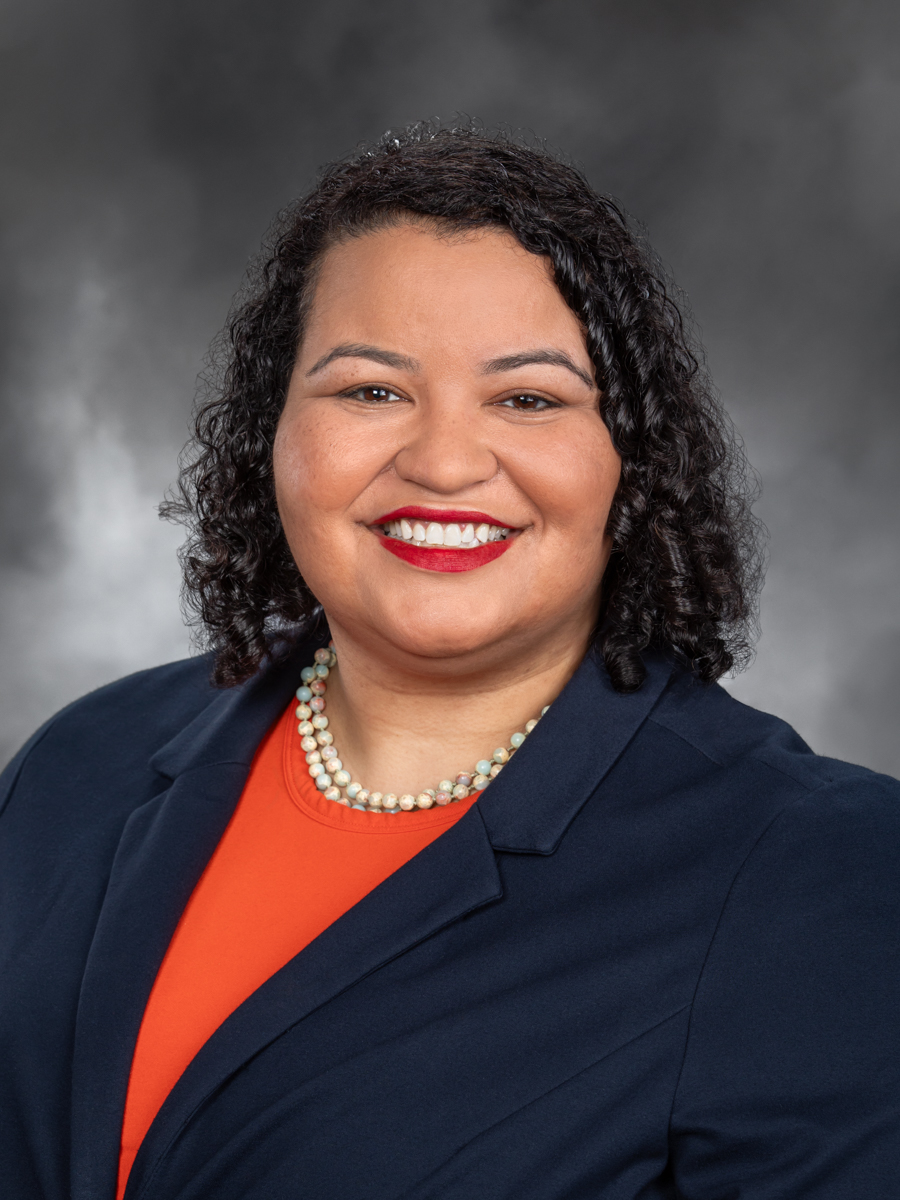
Maddy summaryHB 1049 creates a state-funded stipend program to help registered nurses cover costs for training as specialized sexual assault nurse examiners (SANEs). The program reimburses up to $2,500 per nurse for training fees, materials, travel, lodging, and meals. It applies to nurses seeking certification for adult/adolescent or pediatric care, subject to available state funding. The stipend aims to increase the number of qualified SANEs by reducing financial barriers to training.
Rep. Julia Reed
Sponsored bills
Maddy summaryHB 1845 updates Washington State's payment standards for cash assistance programs, directly affecting recipients of Temporary Assistance for Needy Families (TANF), refugee assistance, and benefits under RCW 74.62.030. The bill requires the Department of Social and Health Services to base payment levels on actual living costs and national inflation indices, using an existing national standard as a baseline starting July 2022. It sets a minimum payment level of 16% of the need standard (or the previous year’s amount, whichever is higher) and limits annual increases to 3% for these programs. The bill also ensures Supplemental Security Income (SSI) state supplements meet federal minimum requirements.
Maddy summaryHB 1577 creates a work group to develop a palliative care benefit model for Washington state health plans, with a specific requirement that its recommendations must allow volunteer hospice organizations (those operating without compensation under RCW 70.127.050) to provide palliative care without needing a license or meeting standard benefit requirements. The work group, including representatives from volunteer hospice groups, health plans, and medical organizations, must submit recommendations by November 2025. This bill directly affects volunteer hospice organizations and aims to integrate their services into state palliative care frameworks. It does not change current laws but sets a requirement for future policy design.
Maddy summaryHB 1386 imposes an 11% sales tax on retail purchases of firearms, firearm parts, and ammunition in Washington State. This tax applies to all retail transactions except sales to state, local, or tribal governments for law enforcement use. Revenue from the tax must fund programs focused on suicide prevention, reducing firearm-related domestic violence, and supporting victims' services. The bill directly affects firearm retailers and individual purchasers, with no exemption for government agency purchases.
Maddy summaryHB 1792 consolidates Washington's nursing and practical nursing regulatory oversight into a single 17-member "Board of Nursing," replacing two separate boards. The bill revises membership requirements, reducing certified nursing assistant representatives from three to two, adding specific qualifications for faculty and direct-care nurses, and clarifying that board members must be Washington residents. This change directly affects the governance structure of nursing regulation, streamlining oversight for nursing assistants (who are certified under Chapter 18.88A RCW) and other nursing professionals. The bill does not alter certification standards for nursing assistants but reorganizes the board responsible for administering those standards.
Maddy summaryHB 1031 requires Washington's superintendent of public instruction to develop indoor temperature standards for public schools by forming an advisory committee with health, environmental, school operations, and parent representatives by September 2025. The bill updates existing law to explicitly include "excessive heat" (defined using National Weather Service guidance) as a valid reason for school closures due to unsafe conditions, replacing vague prior language. It mandates the committee to balance temperature control with energy standards and report recommendations by January 2026, followed by cost estimates by July 2026. This directly affects all public school districts, teachers, and students in Washington by establishing a formal process to address climate-driven heat risks in school facilities.
Maddy summaryHB 1756 sets a limit of 5 parts per million for lead in cookware and cookware components that touch food, effective January 1, 2026. It applies to manufacturers, retailers, and wholesalers selling cookware in Washington, prohibiting products exceeding this lead level. The law exempts secondhand sales (like casual or nonprofit transactions) and includes definitions for terms like "cookware" (e.g., pots, pans, utensils) and "vulnerable populations." After 2034, the Department of Ecology may lower the limit if feasible and necessary for health protection. This directly affects cookware producers and sellers while prioritizing safety for consumers, especially those in vulnerable groups.
Maddy summaryHB 1111 allows individuals convicted of crimes before age 18 to petition the indeterminate sentence review board for early release after turning 24, provided they have no recent convictions or serious infractions. The bill requires a department assessment 5 years before eligibility, a dangerousness evaluation within 180 days of petition, and sets conditions for release, including victim input and potential rental assistance. It limits annual petitions to 70, prioritizing those under 25 or recently transferred from juvenile custody, and expires July 2035. The policy aims to align with brain development science by creating rehabilitation incentives for youth offenders.
Maddy summaryHB 2083 proposes to update Washington's tax code by expanding the retail sales tax to include select services and new nicotine products, and by requiring a one-time prepayment of state sales tax collection from certain large businesses. The bill specifically extends retail sales tax to computer-related services and removes exemptions for digital automated services. It also aims to apply existing taxes on tobacco products to new and emerging nicotine products that are currently exempt. The legislation states its intent to generate revenue for public schools, health care, and social services.
Maddy summaryHB 1032 lowers the voter approval threshold for school district bond measures in Washington. It changes the requirement from a three-fifths (60%) majority to a simple majority (50%+1) of votes cast in school district elections on bond issues. This directly affects all Washington school districts seeking to borrow funds for capital projects like building repairs or new facilities. The bill amends existing laws (RCW 28A.535.020, 28A.535.050, and 39.36.020) to reflect this voting change, while keeping the overall debt limit at 2.5% of taxable property value.