

Maddy summaryHB 1181 clarifies who is covered by Washington's minimum wage law by updating definitions in the Washington Minimum Wage Act. It adds specific exclusions, such as farm interns with special certificates and minor league baseball players under collective bargaining agreements, while refining definitions for terms like "family member" and "retail establishment." These changes directly affect employers and workers in defined categories, ensuring the law applies only to eligible employees. The bill does not change the current minimum wage rate but refines coverage to align with evolving workplace structures.
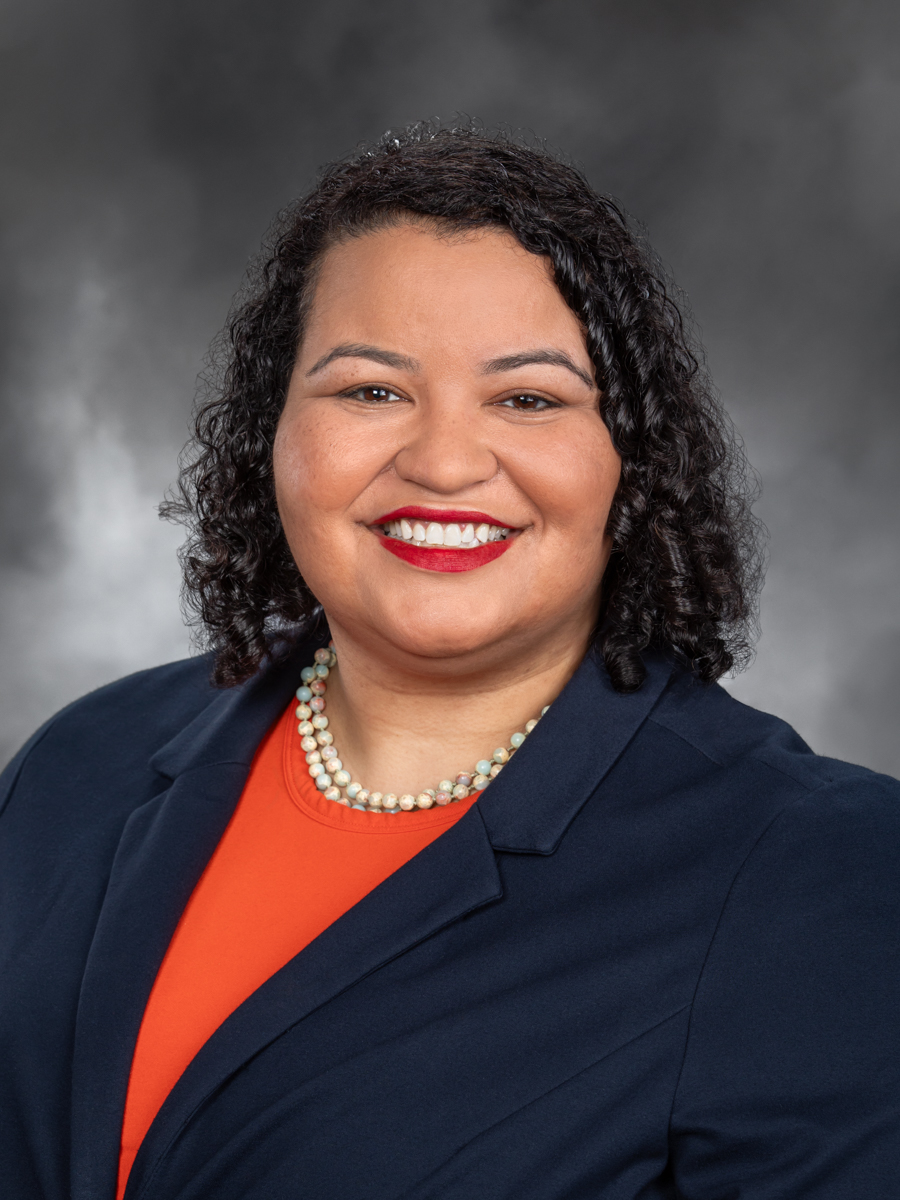
Rep. Julia Reed
Sponsored bills
Maddy summaryHB 1292 establishes an ongoing annual cost-of-living adjustment (COLA) for retirees in Plan 1 of Washington's Teachers' Retirement System (TRS) and Public Employees' Retirement System (PERS), starting July 2026. The bill uses the Consumer Price Index (CPI) to calculate annual increases, capping the first adjustment at 3% and limiting yearly changes to no more than a 3% difference from the prior year. It consolidates the costs of past COLA increases over a 15-year period while requiring new benefit improvements to be paid over a 10-year amortization. The bill directly affects current and future retirees in both systems who qualify under Plan 1, excluding those covered by specific exception provisions.
Maddy summaryThis bill creates a standardized "portable orders for life-sustaining treatment" form that Washington residents can use to document their end-of-life care preferences, allowing the form to be recognized across all healthcare settings in the state. It establishes a statewide registry for these forms, requires healthcare providers to review them annually with patients, and provides legal immunity for providers who follow the documented preferences in good faith. The law directly affects residents making advance care decisions and healthcare providers (including doctors, nurses, EMTs, and hospitals) who must follow these orders. Key provisions include an opt-out option for registry submission, rules for verbal confirmation of forms, and protections against liability for providers acting in accordance with the documented preferences.
Maddy summaryHB 1132 updates Washington's firearm dealer licensing rules to enhance safety. It requires dealers to implement strict security measures, including alarms monitored by law enforcement, locked storage for firearms during non-business hours, and digital surveillance systems covering all sales areas. The bill mandates annual background checks for all employees selling firearms and prohibits temporary sales outside licensed locations except at designated gun shows. It also requires dealers to annually certify compliance with all licensing conditions and face permanent license loss for violations. These provisions directly affect licensed firearm dealers operating in Washington state.
Maddy summaryHB 1952 delays the approval of new special license plates until June 30, 2029, except for plates created under a specific 2025 bill, and establishes a legislative task force to review the program. The task force, composed of 7 legislators and 2 department representatives, must evaluate application processes, costs, funding, and metrics for discontinuing plates by December 1, 2025. This bill directly affects sponsoring organizations seeking new plates and the Department of Licensing, which must report annually on financials and applications. The task force’s findings will inform future decisions on special license plate programs, with the bill expiring December 1, 2026.
Maddy summaryHB 1626 expands financial assistance for small school districts and small businesses in Washington state that participate in the paid family and medical leave insurance program. It provides two types of grants: up to $3,000 for hiring temporary workers during an employee’s 7+ day leave, or up to $1,000 to cover extra payroll costs from an employee’s leave. Eligible employers include small school districts (classified as "second class"), businesses with 51-150 employees, and those with 50 or fewer employees who pay all insurance premiums. Grants require documentation of the leave-related costs and are limited to 10 per year per employer, with a three-year premium assessment for businesses under 50 employees that receive a grant.
Maddy summaryHB 1036 requires Washington's community colleges, regional universities, and The Evergreen State College to include at least one labor representative on each governing board. This bill amends existing laws to mandate that labor representation be considered when appointing board members, alongside geographical diversity and representation of women, racial, and ethnic minorities. The labor trustee must be appointed by the governor and cannot be an employee of the higher education system. This change directly affects the composition of college governing boards but does not alter policies affecting students or faculty. The bill takes effect October 1, 2030.
Maddy summaryHB 1565 extends Washington's dual enrollment scholarship program, which covers costs for high school students participating in Running Start (a program allowing 11th/12th graders to take college courses at community colleges/universities). It directly affects eligible students who qualify for free/reduced lunch, the College Bound Scholarship, or Washington College Grant. The bill expands scholarship coverage to include textbooks, course materials, transportation, and food stipends (if funds remain), beyond previously covered tuition and fees. It appropriates $750,000 annually for 2026-2027 and extends the program until 2032, requiring the Washington Student Achievement Council to develop implementation rules and guidance.
Maddy summaryHB 1645 requires Washington auto insurance policies covering car damage (physical damage coverage) to include a mandatory appraisal process for resolving disputes over repair costs. If insurers and policyholders disagree on the value of damage, they must use this process: each selects an appraiser, then an umpire if needed, with clear rules for cost-sharing. Policyholders get reimbursed for appraisal costs if the final valuation exceeds the insurer’s initial offer by $500 or more. This applies to all policies issued or renewed on or after January 1, 2026.
Maddy summaryHB 1763 imposes a 6% tax on short-term rental platforms (like Airbnb) starting January 2026. Revenue from this tax funds local affordable housing programs and housing infrastructure projects (such as water, sewer, and transportation systems) in counties and cities. Local governments must use the funds exclusively for homeless services, shelters, or infrastructure, with requirements including limiting single-family units to 2,000 square feet and requiring urban annexation for projects within growth boundaries. The bill directly affects short-term rental platforms (as taxpayers) and local governments (as fund recipients).