

Maddy summaryHB 1614 modifies Washington's capital gains tax rules by replacing the business and occupation tax credit with a new nonrefundable capital gains tax credit, closing technical loopholes, and clarifying how credits apply to taxpayers. It requires brokers and barter exchanges to report transactions, limits credit use to the tax year of the sale (with no carryforwards), and mandates monthly transfers from the general fund to education accounts based on tax reductions. The bill directly affects taxpayers with capital gains, brokers, and state education funding streams, while ensuring no net change to state tax collections. Key provisions include standardized treatment for spouses/domestic partners and new rules for adjusting transfer amounts to education funds. The changes take effect for 2025 tax years and expire January 1, 2026.
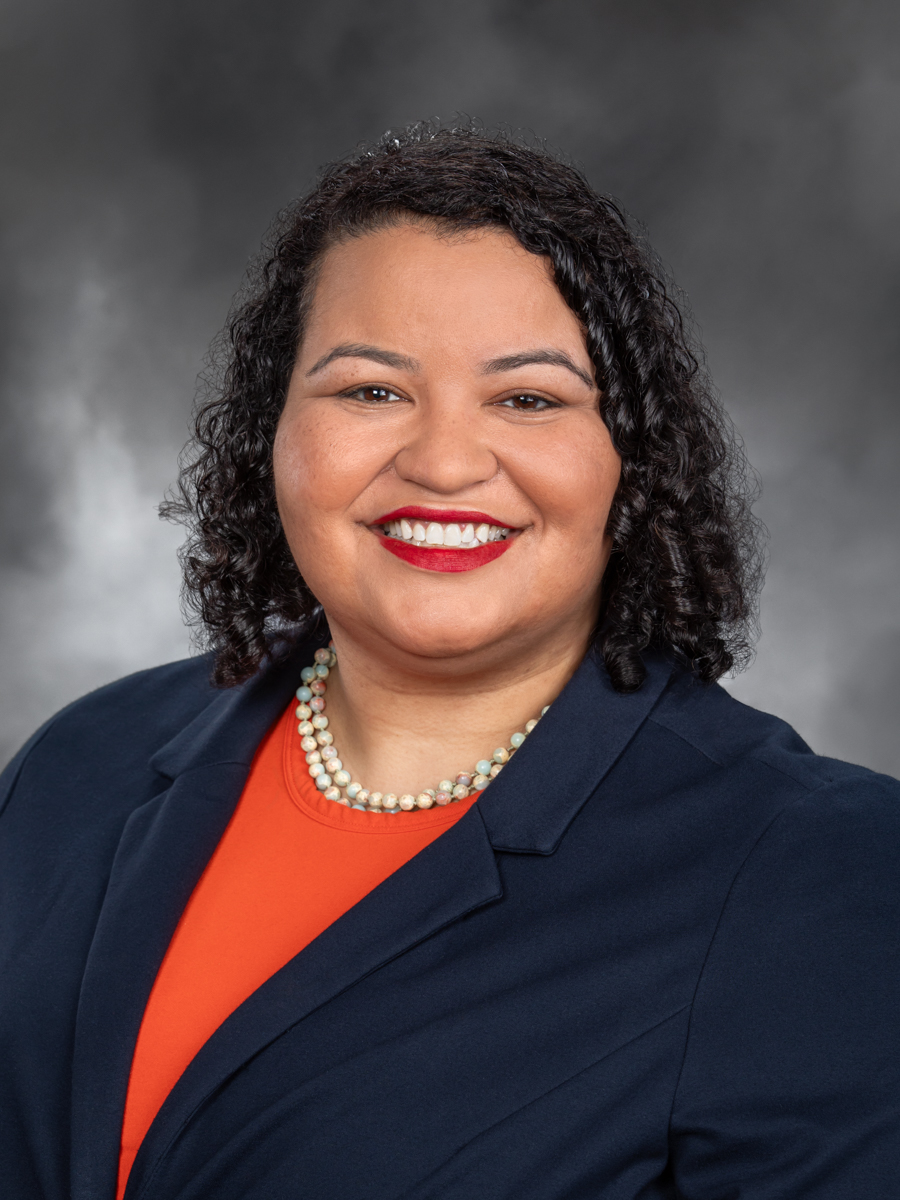
Rep. Julia Reed
Sponsored bills
Maddy summaryHB 1737 ensures federally approved apprenticeship programs operated by federally recognized tribal governments in Washington state have the same rights and responsibilities as state-approved programs. It amends state law to define "registered apprentice" and "skilled journeyperson" to include tribal programs that meet federal approval standards. The bill requires contractors working at high-hazard facilities like petroleum refineries and petrochemical plants to use a "skilled and trained workforce" made up of registered apprentices or skilled journeypersons from approved programs, including tribal ones. This directly affects tribal governments operating apprenticeship programs and contractors in critical industries, ensuring equitable access to these workforce standards.
Maddy summaryHB 1752 allows local courts of limited jurisdiction (like justice courts) to handle certain misdemeanor cases involving juveniles, instead of juvenile court, when the county authorizes it and the offense doesn't require confinement in the standard sentence. It directly affects juveniles charged with less serious misdemeanors who would otherwise be processed in juvenile court. The key provision requires that the alleged offense be a misdemeanor with a standard disposition excluding confinement, and that the county legislative authority approves the concurrent jurisdiction. This aims to speed up processing for minor cases while keeping juvenile court for more serious offenses.
Maddy summaryHB 1583 requires Washington's Health Care Authority to apply for a federal waiver by September 1, 2025, to expand Medicaid coverage for "traditional health care practices" delivered through specific facilities. These practices include indigenous health knowledge and services provided by Indian Health Service facilities, tribally operated facilities under federal law, or urban Indian organizations. Coverage would be available to Medicaid beneficiaries receiving care at these facilities, but only if the federal Centers for Medicare & Medicaid Services approves the waiver. The bill does not change current Medicaid rules but seeks to add this coverage option through a federal waiver process.
Maddy summaryHB 1840 authorizes counties to allow "middle housing" (like duplexes, triplexes, or townhouses) in designated unincorporated urban growth areas, specific rural development zones, and established communities. It requires at least one middle housing unit per single-family lot in urban areas and limits these developments to four units per lot in rural zones. The bill mandates that counties apply the same zoning, permit, and environmental rules to middle housing as to single-family homes, while requiring sewer service for rural middle housing. This policy aims to increase housing density without new infrastructure, directly affecting homeowners and developers in targeted areas.
Maddy summaryHB 1528 requires Washington's Superintendent of Public Instruction to create a free, statewide online system for managing individualized education plans (IEPs) for students with disabilities. The system must provide a uniform platform for schools, ensure compliance with federal and state special education laws, and include features like secure access, privacy protections, translation services, and tools to align IEP goals with grade-level standards. It mandates that the system support family engagement with progress data, incorporate evidence-based practices, and meet accessibility standards. The bill also requires statewide training for educators, administrators, and families to implement the system effectively.
Maddy summaryHB 1284 eliminates a tax deduction that allowed corporations and other business entities to exclude investment income from Washington's business and occupation tax. This affects companies earning income from investments (like stocks or loans), particularly those investing outside Washington, which previously avoided tax on that income. The bill amends tax code to remove this deduction, with a small exception allowing deductions for investment income under 5% of annual gross receipts. The legislature states this change aims to close a perceived tax loophole, increase revenue for public schools, and create fairness by requiring all businesses to pay tax on investment income earned within the state.
Maddy summaryHB 1793 requires authorized insurers in Washington to report specific details about fire loss claims to the Insurance Commissioner within 90 days of closing the claim. The report must include the property's zip code, date of loss, amount paid per coverage, and the known or suspected origin/cause of the loss (including whether it involved criminal activity). This bill amends RCW 48.05.320 to update the reporting requirements for fire losses, replacing a previous provision that directed reports to the Washington State Patrol. The change focuses on standardizing fire loss data collection for the Insurance Commissioner's use, without altering the underlying insurance claims process.
Maddy summaryHB 1870 allows Washington counties to levy an additional property tax of up to five cents per $1,000 of assessed value specifically for public health clinics. This tax can only fund the operation, maintenance, and capital expenses of clinics providing services like primary care, dental care, disease prevention, reproductive health, and behavioral health. The bill amends existing tax laws to exempt this new levy from standard county tax limits (like the $1.80 cap), ensuring it doesn’t count toward other spending restrictions. It directly affects counties and public health clinics, which would use the funds for low-barrier health services to underserved communities.
Maddy summaryHB 1658 redirects $1 of a $5 surcharge on recorded documents in Washington counties to fund history and heritage museums and historic preservation programs. It requires counties to establish a historic preservation fund using this revenue, which supports nonprofit museums (501(c)(3) organizations) and county preservation activities under state law. Fifty percent of the remaining surcharge revenue goes to a state-level "centennial document preservation" account for county historical document preservation, while the other half stays with counties for similar purposes. The bill directly affects county governments, local museums, and historic preservation programs by creating dedicated funding streams from existing document recording fees.