

Maddy summaryHB 2271 requires manufacturers to include minimum levels of postconsumer recycled content in specific plastic products, directly affecting producers of plastic trash bags, household cleaning and personal care product containers, and plastic beverage containers. The bill sets phased-in requirements (starting in 2027 for some products) for recycled content, with exemptions for items like medical packaging, food contact materials, and small businesses (under $5 million revenue). It aims to reduce virgin plastic use, lower greenhouse gas emissions from plastic production, and strengthen the recycled plastics market by creating stable demand. The law excludes certain products under federal preemption and specifically defines covered items to avoid overlapping with existing regulations.
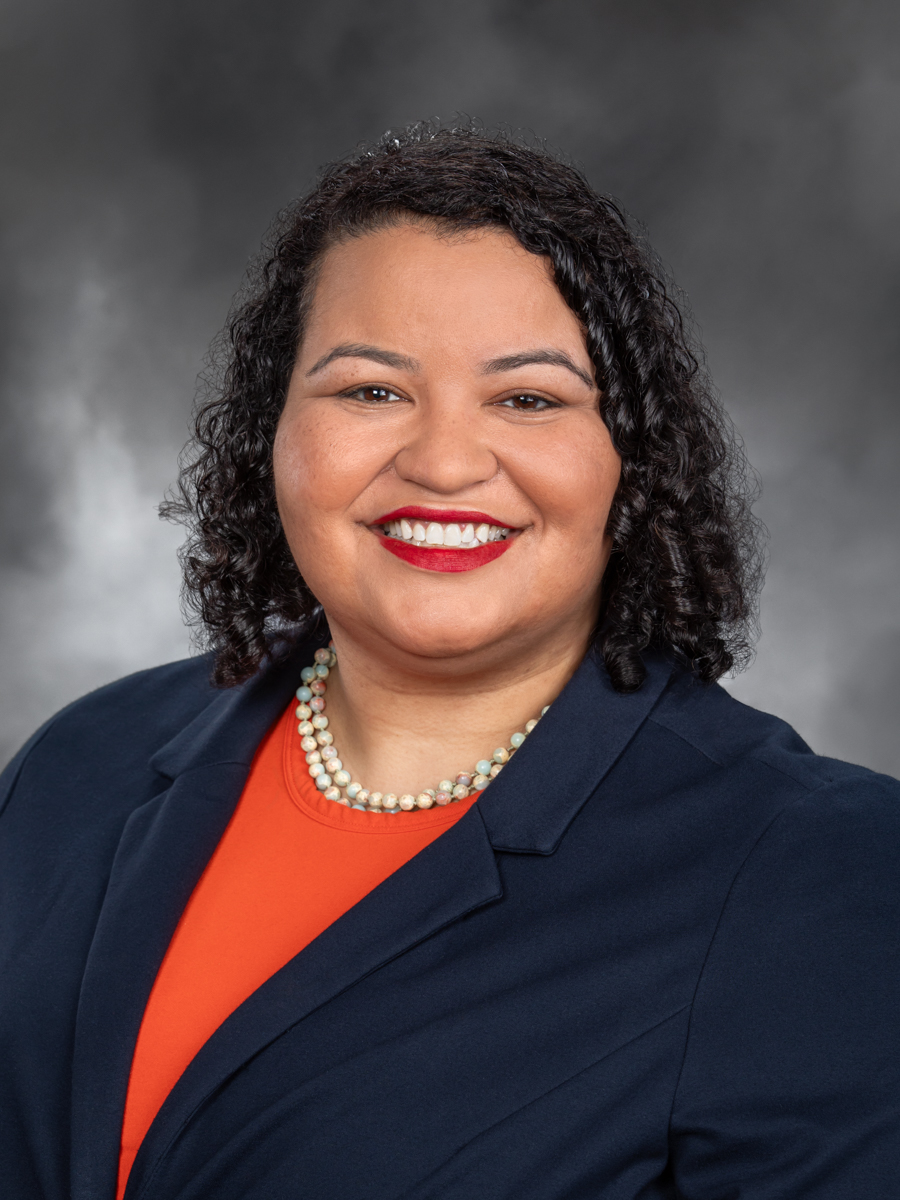
Rep. Julia Reed
Sponsored bills
Maddy summaryHB 2421 bans the use of 6PPD (a chemical in tires) and unsafe tire additives by 2035, directly affecting tire manufacturers and sellers in Washington. The bill requires tires to use "safer alternatives" proven non-toxic to aquatic life, with the Department of Ecology identifying unsafe substitutes through rules. It includes penalties up to $10,000 per violation for non-compliance and directs fines to environmental cleanup funds. The law aims to reduce toxic tire wear particles linked to salmon mortality in Washington waterways. It excludes certain federal-authorized tires but applies broadly to new vehicle tires sold in the state.
Maddy summaryHB 2301 requires paint manufacturers in Washington to manage leftover architectural paint (interior/exterior paint sold in 5-gallon containers or less) through a statewide stewardship program. The bill mandates manufacturers to develop programs focused on reducing waste, promoting reuse, recycling, and proper disposal of leftover paint, following a specific waste hierarchy (reduce > reuse > recycle > disposal). Paint retailers may voluntarily collect leftover paint, and a "stewardship assessment" fee would be added to paint purchases to fund the program, shifting disposal costs from local governments to producers. This directly affects paint manufacturers and consumers purchasing architectural paint, while aiming to reduce landfill waste and environmental risks.
Maddy summaryThis bill (HB 2278) allows Washington counties or cities to continue imposing an additional $3 per night charge on hotel stays within designated tourism promotion areas. It directly affects lodging businesses operating in these areas, requiring 60% of local businesses to sign off on the fee before implementation. The legislation amends RCW 35.101.057 to permit this charge (on top of an existing $2 fee), mandates that proposed revenue uses be detailed, and specifies the fee expires July 1, 2027. The bill aims to sustain tourism sector growth by enabling continued funding for tourism promotion projects through this lodging fee.
Maddy summaryHB 2186 creates a state program to help Washington communities access federal economic development funds by providing matching state dollars. It requires the Department of Commerce to develop scoring criteria prioritizing applications based on job creation, federal funding amount, and rural/districted area impact, while setting limits on matching funds (up to 100% for nonprofits and rural projects, 50% for utilities). The bill mandates reporting on jobs created and federal funds secured, and directs the department to expand a public website with federal grant opportunities by 2028. It directly affects local governments, nonprofits, economic development organizations, and tribes seeking federal grants for projects like housing, infrastructure, and workforce training.
Maddy summaryHB 2145 prohibits drug manufacturers from restricting how 340B-covered safety net providers (like community health centers, HIV clinics, and tribal health centers) access discounted medications. It specifically bans manufacturers from denying or limiting delivery of 340B drugs to these providers or their contracted pharmacies, and prevents them from requiring data sharing as a condition for drug access. The law allows covered entities to sue violators for up to $5,000 per day per violation and requires penalties for noncompliance. This directly protects low-income patients who rely on affordable medications through Washington's safety net providers.
Maddy summaryHB 2210 authorizes Washington state local governments (counties, cities, towns, school districts, fire districts, and port districts) to adopt ranked choice voting (RCV) or proportional representation for elections. It requires jurisdictions choosing RCV to implement it by December 31, 2032, with specific rules for ballot design, candidate ranking, and election types (e.g., single-winner contests use instant runoff voting). The bill creates legal clarity for these election methods during a six-year period, reducing litigation risk while federal voting rights standards evolve, and allows jurisdictions to continue using approved systems beyond the six years. It does not alter existing voting rights protections under state law.
Maddy summaryHB 1316 requires Washington's public four-year colleges and tribal colleges to create programs supporting students experiencing homelessness and those who were in foster care when they graduated high school. The bill mandates institutions provide specific services like laundry access, reduced-price meals, technology, short-term housing assistance, and case management. It also allows schools to develop surplus property for affordable housing and requires annual reporting on program participation, strategies, and recommendations. This directly affects enrolled students facing housing instability or foster care backgrounds at participating institutions.
Maddy summaryHB 1592 shifts public defense funding responsibility in Washington State starting in 2026. The state will cover 50% of public defense costs based on counties' and cities' average spending over the previous five years, with the state paying all costs exceeding that average. Counties and cities must report case data, attorney caseloads, and training requirements for public defense attorneys to qualify for state funds. This bill directly affects local governments managing public defense systems and aims to standardize funding while requiring transparency in service delivery.
Maddy summaryThis is a House Resolution (not a law), introduced and adopted by the Washington State House of Representatives. It formally recognizes the importance of reflecting on the history of Chinese American exclusion in Washington state, including the Chinese Exclusion Act of 1882, the Tacoma and Seattle riots of 1885-1886, and ongoing discrimination. The resolution aims to promote education about this history and honor the contributions of Chinese Americans to Washington's cultural and civic life. It serves as a symbolic commitment to remembering this chapter of state history for public awareness and remembrance.