

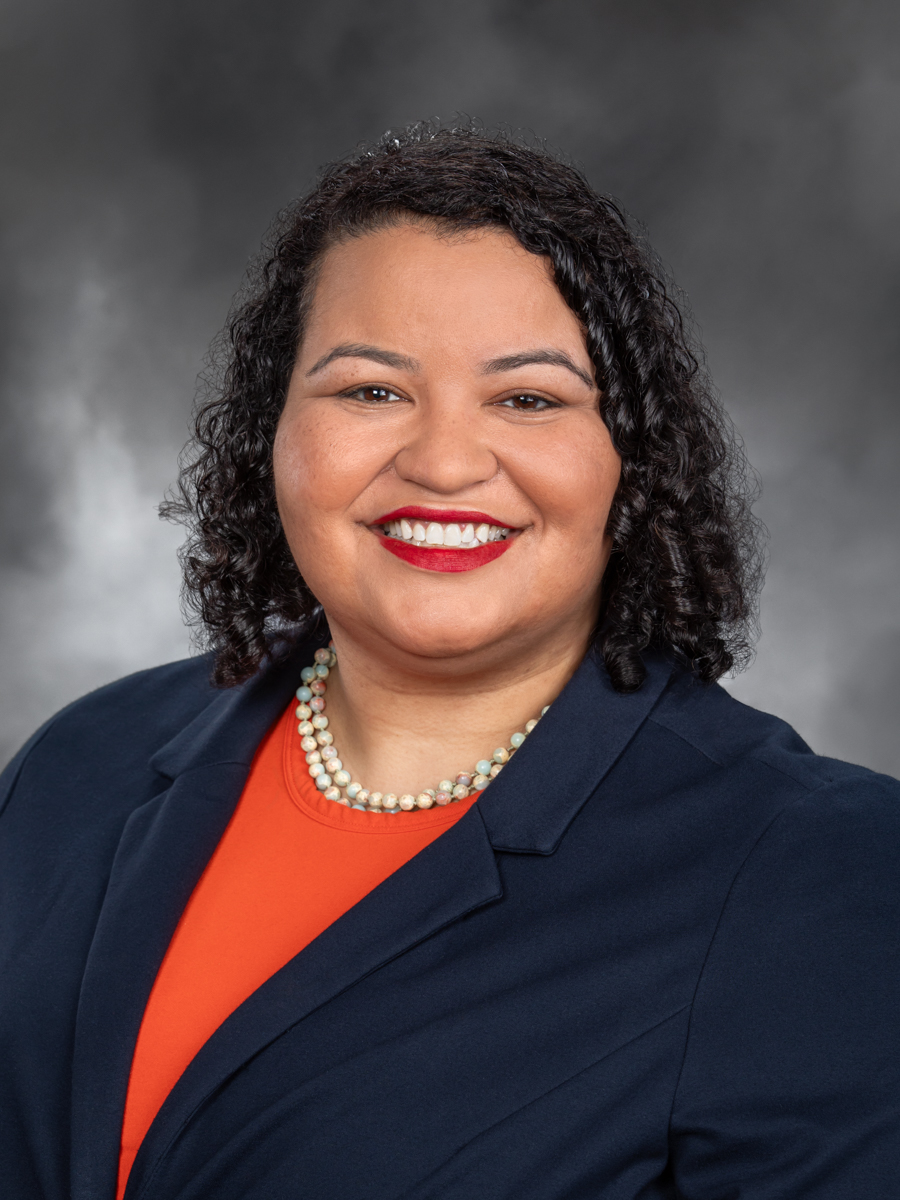
Photo of Julia Reed
D Washington House · District 36 On the 2026 ballot

Rep. Julia Reed

Compare
Total votes
2,532
all sessions
Attendance
99%
15 missed
Near the chamber average
With party
98%
of cast votes
Near the chamber average
Bipartisan score
1%
crosses aisle rarely
Near the chamber average
Sponsored
1,244
bills & resolutions
Higher than 97% of chamber peers
Committees
4
assignments
1,244 bills and resolutions

Sponsored bills

Total
1,244
Primary
42
Co-sponsor
1,202
This page
1,244
matching current filters
Co-sponsor HB 2228
Signed into law · Washington House · Co-sponsor
Concerning scissor stair regulations in the state building code.

Maddy summaryHB 2228 requires Washington's state building code council to form a technical advisory group to recommend changes allowing "scissor stairs" (interlocking stairways with separate exits) in multi-unit residential buildings with more than two permanent dwelling units. The group must consider public safety, health, and construction costs in its recommendations, which must be ready for the 2027 building code update. This bill directly affects builders and developers of apartment-style housing, aiming to potentially simplify stairwell designs in such buildings. The advisory process expires on January 1, 2031, with no immediate code changes enacted.

Signed into law Mar 9, 2026 1 co-sponsor
Co-sponsor HB 2492
Signed into law · Washington House · Co-sponsor
Requiring state registered apprenticeships in the building and construction trades to provide behavioral health and wellness training.

Maddy summaryHB 2492 requires state-registered plumbing apprenticeships in Washington to include four hours of approved behavioral health and wellness training as part of their continuing education requirements. This applies directly to apprentices in the plumbing construction trade who need to maintain their certification. The training must cover topics like destigmatizing mental health, recognizing distress, suicide prevention, substance use awareness, and connecting to resources. It modifies existing certification rules (RCW 18.106.070) to allow these hours to count toward the required 24 hours of annual continuing education. The bill does not create new licensing standards but integrates mental health support into existing apprenticeship training.

Signed into law Mar 9, 2026 1 co-sponsor
Co-sponsor HB 2355
Signed into law · Washington House · Co-sponsor
Establishing labor protections for domestic workers.

Maddy summaryHB 2355 establishes minimum wage, overtime, and written contract requirements for domestic workers in Washington State, directly affecting nannies, home care aides, housekeepers, and similar workers employed in private residences. The bill requires employers to pay at least the state minimum wage (including overtime after 40 hours), provide a written agreement detailing pay, hours, benefits, and termination notice (2 weeks for non-live-in workers, 4 weeks for live-in), and prohibits wage theft like withholding pay. It excludes family members, casual labor (e.g., irregular babysitting), and home care provided through state-funded agencies. The law aims to bring domestic workers under standard labor protections while clarifying exemptions for certain informal or family-based arrangements.

Signed into law Mar 9, 2026 1 co-sponsor
Co-sponsor HB 2304
Signed into law · Washington House · Co-sponsor
Increasing the supply of condominiums by expanding the types of condominium buildings that may be subject to an express warranty of quality and express warranty insurance coverage.

Maddy summaryHB 2304 expands the types of condominium buildings eligible for an express warranty of quality and insurance coverage, directly affecting developers of small residential projects. The bill allows developers to opt out of standard implied quality guarantees (like structural defects) if they provide an express warranty covering defects for specific periods: 1 year for workmanship, 2 years for systems (plumbing/electrical), and 10 years for structural elements. This applies to new or converted buildings with 12 or fewer units, including accessory dwelling units and structures under four stories (with specific configurations like parking or commercial space). Purchasers and future owners gain recourse through this warranty, while developers avoid implied warranty liabilities when meeting the coverage requirements. The change aims to streamline development for smaller condo projects without altering core buyer protections.

Signed into law Mar 9, 2026 1 co-sponsor
Co-sponsor HB 2155
Signed into law · Washington House · Co-sponsor
Concerning the use of nursing titles.

Maddy summaryThis bill restricts the use of specific nursing titles in Washington State to only licensed professionals. It prohibits anyone without a valid license from using titles like "registered nurse" (R.N.), "nurse practitioner" (N.P.), or "licensed practical nurse" (L.P.N.), including nonhuman entities like businesses. Christian Science nurses listed in their official journal may still use "Christian Science nurse" if they don’t claim other nursing credentials. The law expires June 30, 2027, after taking effect on the same date.

Signed into law Mar 9, 2026 1 co-sponsor
Co-sponsor HB 2199
Signed into law · Washington House · Co-sponsor
Reducing impacts from derelict vessels.

Maddy summaryThis bill gives Washington state agencies and local governments authority to remove abandoned or hazardous vessels (like those sunk, obstructing waterways, or endangering property) after a 7-day notice period. It directly affects vessel owners who leave boats unattended and local entities managing aquatic lands. Key provisions require authorities to prioritize environmentally sound disposal, sell vessels at auction if possible, and use sale proceeds first to cover removal costs, environmental damages, and administrative fees before addressing liens. The law also establishes clear procedures for owners to contest removal decisions or costs through hearings.

Signed into law Mar 9, 2026 1 co-sponsor
Primary HB 1687
Signed into law · Washington House · Lead sponsor
Concerning social housing public development authorities.

Maddy summaryHB 1687 clarifies definitions and expands support mechanisms for social housing public development authorities in Washington State. It defines "social housing" as publicly owned rental housing available to all income levels (low, moderate, and high-income households) with cross-subsidized rents, and establishes specific income thresholds based on HUD data. The bill enables state and local governments to provide property, infrastructure, or funding to these authorities without standard bidding requirements, while requiring five days of public notice for such transactions. It directly affects social housing authorities, state/local governments, and residents of subsidized housing projects across Washington. The legislation focuses on structural changes to housing authority operations, not on new funding or outcomes.

Signed into law Mar 9, 2026 0 co-sponsors
Co-sponsor HB 1859
Signed into law · Washington House · Co-sponsor
Expanding opportunities for affordable housing developments on properties owned by religious organizations.

Maddy summaryHB 1859 allows Washington religious organizations to develop affordable housing on their properties with increased density allowances. To qualify, at least 50% of units must be permanently affordable for low-income households (earning at or below 80% of local median income) for 50 years, with no discrimination based on protected characteristics. Religious organizations must cover all development fees and costs, and local governments must approve such projects if requested. This applies to new construction and rehab projects on religiously owned land, amending zoning laws to support affordable housing expansion.

Signed into law Mar 9, 2026 1 co-sponsor
Co-sponsor HR 4701
Passed · Washington House · Co-sponsor
Honoring Black History Month.

Maddy summaryThis House Resolution (HR 4701) is a symbolic measure passed by the Washington State House of Representatives to honor Black History Month in 2026, marking the 100th anniversary of the national observance. It recognizes the historical contributions of Black Americans to Washington state and the nation through decades of cultural, scientific, and civil rights advancements. The resolution encourages year-round celebration of Black history in schools, communities, and institutions, emphasizing that "Black history is American history" and "Black culture is American culture." As a non-binding resolution, it does not create new laws or directly affect specific groups.

Passed Feb 25, 2026 1 co-sponsor
Co-sponsor HB 2671
In committee · Washington House · Co-sponsor
Concerning state financial aid.

Maddy summaryHB 2671 amends Washington state's financial aid program to update the calculation of the "Maximum Washington College Grant" for students at public and qualifying private colleges. It sets specific grant amounts for different institution types (public two- or four-year schools, private non-profits, for-profits, and apprenticeships), with most amounts increasing annually based on Washington's wage growth rate. For private institutions, starting in 2026-27, grants will equal 50% of the average award for public research institutions. This directly affects students demonstrating financial need enrolled at eligible Washington higher education institutions, including community colleges, universities, and approved apprenticeship programs. The bill defines key terms like "financial need" and "institution" to clarify eligibility and funding rules.

In committee Feb 25, 2026 1 co-sponsor
Showing 91 to 100 of 1,244 bills
Previous 1 … 9 10 11 … 125 Next