

Maddy summaryHB 1358 requires mobile home community owners in Washington to provide written notice of a potential sale or lease to all tenants, tenant organizations, and specific government agencies (like the Department of Commerce and local housing authorities) before marketing the community for sale. The notice must include details about the sale, a 70-day window for tenants to form a qualified purchasing group, and information on how to access community financial data. This bill amends existing laws to ensure tenants have a formal opportunity to compete for ownership before the property is sold to outside buyers. It applies directly to mobile home community owners and tenants, with specific requirements for notice delivery, timelines, and access to financial information during negotiations.
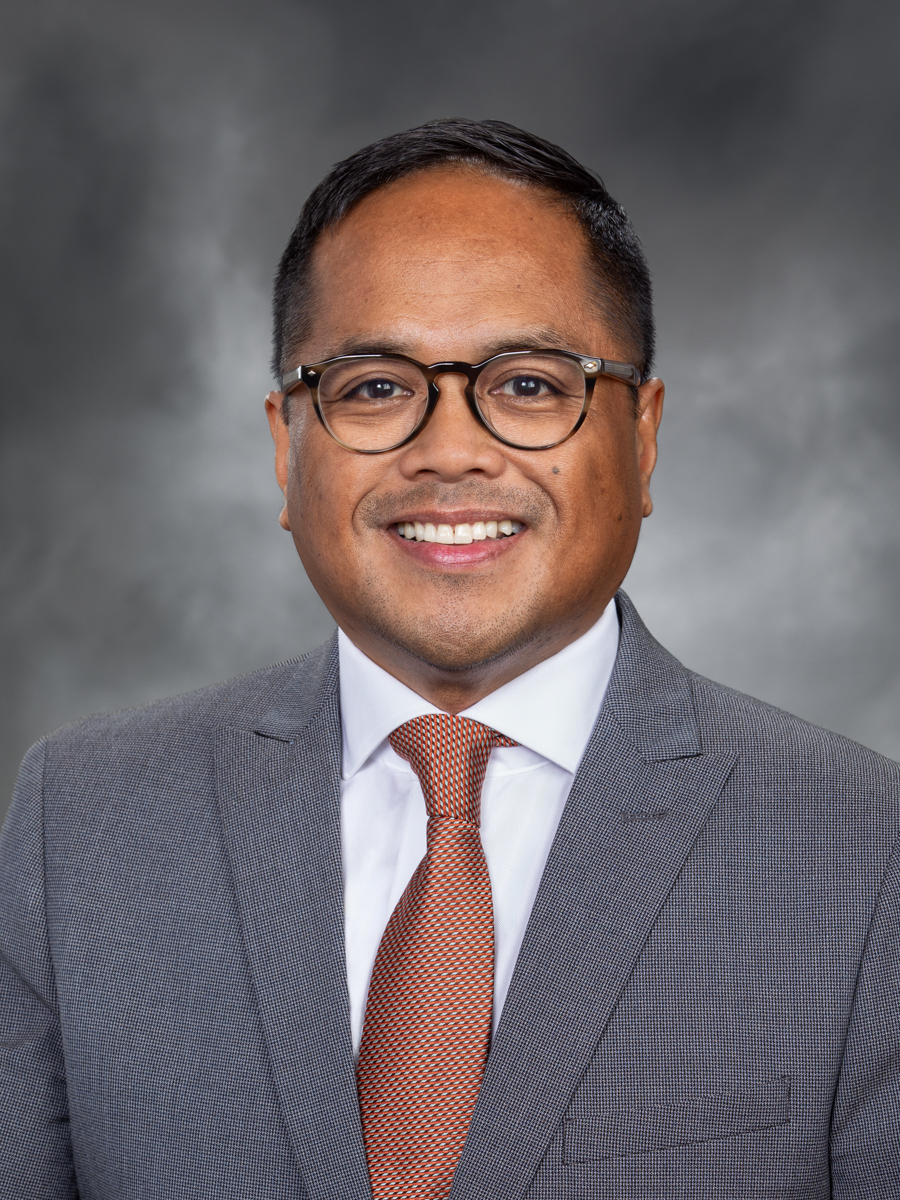
Rep. Edwin Obras
Sponsored bills
Maddy summaryHB 1744 makes it a crime to steal, alter, or fraudulently use gift cards by explicitly defining them as "access devices" under Washington's theft and fraud laws. It expands criminal penalties for obtaining gift cards through deception, such as altering barcodes or stealing unused cards from retail locations. The bill directly affects individuals who commit gift card theft or fraud, including those who take unused cards from stores or manipulate them to access funds. Key provisions clarify that "obtaining control" of a gift card through deception - like falsely claiming ownership - constitutes a violation. This law strengthens existing theft statutes to specifically address gift card-related criminal activity.
Maddy summaryHB 1661 establishes a pilot project to provide $25,000 grants to eligible Washington residents born into poverty. It directly affects individuals who were enrolled in Medicaid or CHIP before age one and remain enrolled at application, are Washington residents, and are 18-36 years old. The grants, administered through the State Treasurer's Office, can be used for education, home purchases, or starting a business in Washington, with funds not counting as assets for public assistance eligibility. The pilot will randomly select participants across geographic regions, require financial coaching, and include impact evaluations by the University of Washington. This is a limited-time study to test whether such grants improve economic stability for people facing intergenerational poverty.
Maddy summaryHB 1195 prevents local governments in Washington from denying permits for permanent supportive housing, transitional housing, indoor emergency housing, or shelters in residential or commercial zones within urban growth areas. It requires cities and counties to review such permit applications through an administrative process only, not public hearings, and establishes a waiver process if local rules block projects. The bill creates a dispute resolution system where the state department can review conflicts and order corrective action, including withholding state funds from noncompliant localities. The law does not apply to projects in critical areas, natural hazard zones, or agricultural/forestry lands.
Maddy summaryHB 1632 prevents medical debt from being reported to credit bureaus without specific contract terms, directly affecting consumers with medical bills, healthcare providers, and collection agencies. The bill requires all new medical debt contracts to include a clear statement prohibiting credit reporting, and any contract lacking this term becomes unenforceable. If a provider or collector reports medical debt to credit bureaus despite this requirement, the debt is void and cannot be collected. This policy change aims to stop medical debt from unfairly damaging credit scores by removing a key barrier to financial stability for affected consumers.
Maddy summaryHB 1865 expands Washington state's Working Connections Child Care program to specifically include employees of small businesses (defined as entities with 50 or fewer employees). It gradually increases income eligibility thresholds: households earning up to 75% of state median income become eligible starting July 2029, and up to 85% starting July 2031 (if funding is available). The bill also extends eligibility to parents enrolled in state-registered apprenticeship programs for the first 12 months of their participation. These changes aim to make child care benefits more accessible for low- and middle-income working families in small businesses and apprenticeships.
Maddy summaryThis House Joint Memorial (HJM) requests the Washington State Transportation Commission extend the existing name "Martin Luther King, Jr. Way" to two specific road segments: State Route 900 (from Renton's western city limits to milepost 10) and State Route 515 (between I-405 and SR 516). It does not create new policy or affect residents or businesses, but rather formally updates road signage to honor Dr. Martin Luther King, Jr.'s legacy. The request is procedural, seeking to align the naming with the commission's authority over state highway designations. The resolution is currently pending in the House Rules Committee, with no legislative action taken yet.
Maddy summaryHB 1826 requires mobility equipment manufacturers to provide independent repair providers and device owners with necessary parts, documentation, software, and tools at fair prices. It directly affects Washington residents who use mobility devices like power wheelchairs, scooters, and manual wheelchairs with power assists, addressing current repair delays averaging 4-7 weeks. The bill mandates that manufacturers make these resources available without unreasonable restrictions or costs, ensuring more repair options beyond manufacturer-authorized services. This aims to reduce delays that impact users' safety, employment, education, and daily living.
Maddy summaryHB 1623 prohibits employers from deducting credit card processing fees from employee tips. It requires that when customers pay tips via credit card, employees receive the full amount indicated on the credit card slip, without any reduction for transaction fees charged by the credit card company. This law directly affects tipped workers in Washington, such as servers and bartenders, and applies to all employers accepting credit card tips. The bill amends state law to ensure tips paid by credit card are paid in full to employees, eliminating employer deductions for processing costs.
Maddy summaryHB 1404 expands access to free school meals in Washington state by removing income-based eligibility requirements. It mandates that all public school students who request a meal receive it at no cost, regardless of family income, to address food insecurity and support academic success. The bill amends several education funding statutes (including RCW 28A.235.135 and 28A.235.160) to align meal access with this new policy. It directly affects every public school student in Washington, ensuring no child experiences hunger during the school day. The policy change replaces previous tiered eligibility systems with universal free meals for all requesting students.