

Maddy summaryHB 1124 creates a new prescribing psychologist certification in Washington state, allowing licensed psychologists to prescribe psychotropic medications after meeting specific training requirements. It directly affects psychologists who complete an additional master's degree in clinical psychopharmacology, 500 hours of supervised prescribing fellowship, and pass a national exam. Key provisions require applicants to hold a doctorate in psychology, complete biomedical coursework, and gain supervised clinical experience in physical assessments and medication management. The bill aims to expand mental health access by addressing provider shortages, as noted in the legislature's findings that over half of Washington residents with mental health conditions did not receive treatment last year.
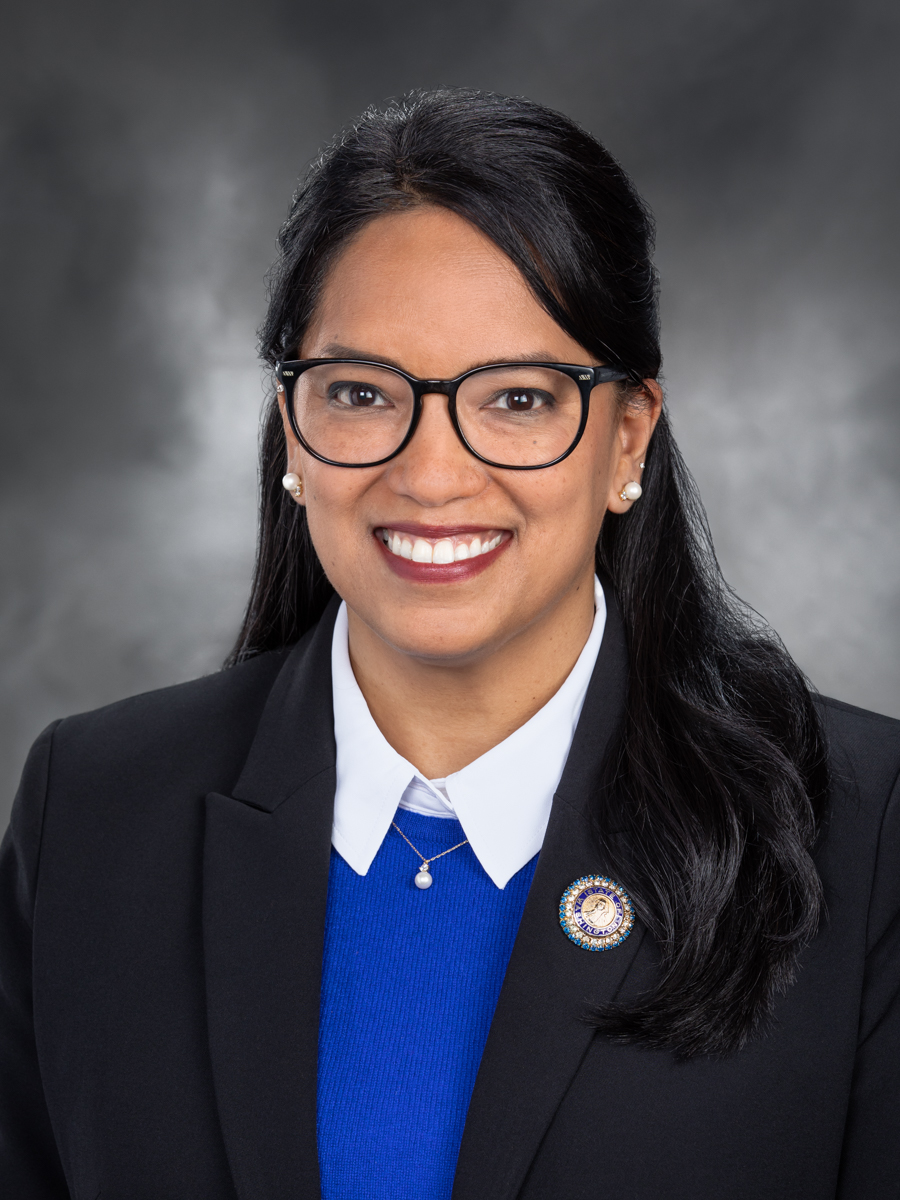
Rep. Kristine Reeves
Sponsored bills
Maddy summaryHB 1346 removes a restriction requiring cannabis business investors to be Washington residents, allowing out-of-state investment like venture capital and equity funding for the first time. This change directly affects cannabis businesses seeking growth capital, particularly small or community-based operators, by aligning Washington's rules with other legal cannabis states. The bill also adds provisions to suspend inactive cannabis producer licenses to address market oversupply, pending potential federal or interstate cannabis markets. These updates amend licensing rules under RCW 69.50.325 and 69.50.331 without altering product regulations or safety standards.
Maddy summaryHB 1431 prohibits rental car companies in Washington from separately charging customers for "vehicle license cost recovery fees" (fees meant to cover the company's costs for licensing, titling, and registering rental cars). Instead, companies may describe their actual costs for these services in rental agreements but must include a clear disclaimer stating these costs are not imposed by the government on customers. The bill also sets rules for "child restraint system rental fees," requiring them to be based on the company's actual costs and guaranteeing a full refund if the restraint system isn't available within one hour of rental pickup. This bill directly affects rental car companies operating in Washington and their customers, changing how these specific fees can be presented and charged.
Maddy summaryHB 1613 requires ticket sellers in Washington to display the total "all-in price" (base price plus all fees) upfront when selling admission tickets for events like concerts or sports games. It bans the use or sale of software designed to bypass online ticket purchase limits (e.g., bot software) and prohibits reselling tickets obtained through such means. The law applies to ticket sellers and resale platforms (like StubHub), but excludes schools, nonprofits, movie theaters, and tribal entities. Its key goal is to increase price transparency and prevent deceptive practices that hide fees or enable scalping.
Maddy summaryHB 1107 requires large fashion producers (those with over $100 million in annual gross income) to annually disclose specific environmental information to Washington’s Department of Ecology starting January 1, 2027. It mandates reporting on high-priority chemicals in products, definitions of sustainability claims like "green" or "eco-friendly," disposal methods for unsold inventory, and current environmental initiatives. The bill directly affects major fashion brands, manufacturers, and importers selling products in Washington, aiming to increase transparency about the industry’s environmental footprint. Key provisions include requiring clear definitions of marketing terms and data on waste disposal volumes, with penalties for noncompliance.
Maddy summaryHB 2049 aims to enhance funding for K-12 education and communities by modifying state and local property tax authority and adjusting the school funding formula. The bill revises the maximum dollar amount school districts can levy for enrichment, setting it as the lesser of $2.50 per $1,000 of assessed value or a per-pupil limit. This per-pupil limit is updated with specific "inflation enhancements" through 2030 and establishes a new base amount starting in 2031, impacting funding based on student enrollment. Additionally, it adjusts how the state provides local effort assistance funding to supplement these school district enrichment levies.
Maddy summaryHB 2015 establishes a new grant program to improve public safety by providing direct financial support to local and tribal law enforcement agencies. These grants are intended to help agencies with hiring, retaining, and training law enforcement officers, as well as peer counselors and behavioral health personnel for co-response teams. To qualify for funding, agencies must meet specific requirements, including implementing state policies on use of force and de-escalation, participating in mandated trainings, and demonstrating compliance with data collection standards. Grant funds can cover up to 75 percent of entry-level salaries and benefits for new officers and support costs for required officer training.
Maddy summaryHB 1483, also known as the "right to repair" bill, requires manufacturers of certain digital electronic products to make parts, tools, and repair documentation available to independent repair providers and product owners. This applies to consumer electronics like computers, cell phones, and appliances, aiming to increase access to affordable repair options for Washington residents. Manufacturers must offer these resources on fair and reasonable terms, with documentation and digital tools generally provided free of charge. The bill supports a competitive repair market and seeks to extend the useful life of products for consumers across the state. This legislation will become effective on July 27, 2025.
Maddy summaryHB 2003 establishes a temporary Columbia River recreational salmon and steelhead endorsement program, effective January 1, 2026. Individuals 15 years or older will need to purchase this endorsement, costing $7.50 for adults and $6 for youth/seniors, to recreationally fish for salmon or steelhead in designated Columbia River areas. Funds collected will be deposited into a new account to support selective fishing opportunities, including monitoring, hatchery production, pinniped removal, and enforcement. The Department of Fish and Wildlife, with stakeholders, must review the program and provide a continuation recommendation to the legislature by December 2026. All provisions of this program are set to expire on January 1, 2028.
Maddy summaryHouse Bill 1497 aims to enhance waste material management systems, particularly for organic materials, in Washington State. It directs the Department to develop a statewide education and outreach program by January 1, 2029, focusing on residential organic waste separation and contamination reduction, providing resources for local governments. The bill also updates eligibility for grant programs that support waste management initiatives for various entities, including local governments and businesses. Additionally, it mandates that new waste collection containers provided to customers, such as for residential and commercial services, be color-coded starting January 1, 2028, to help reduce contamination.