

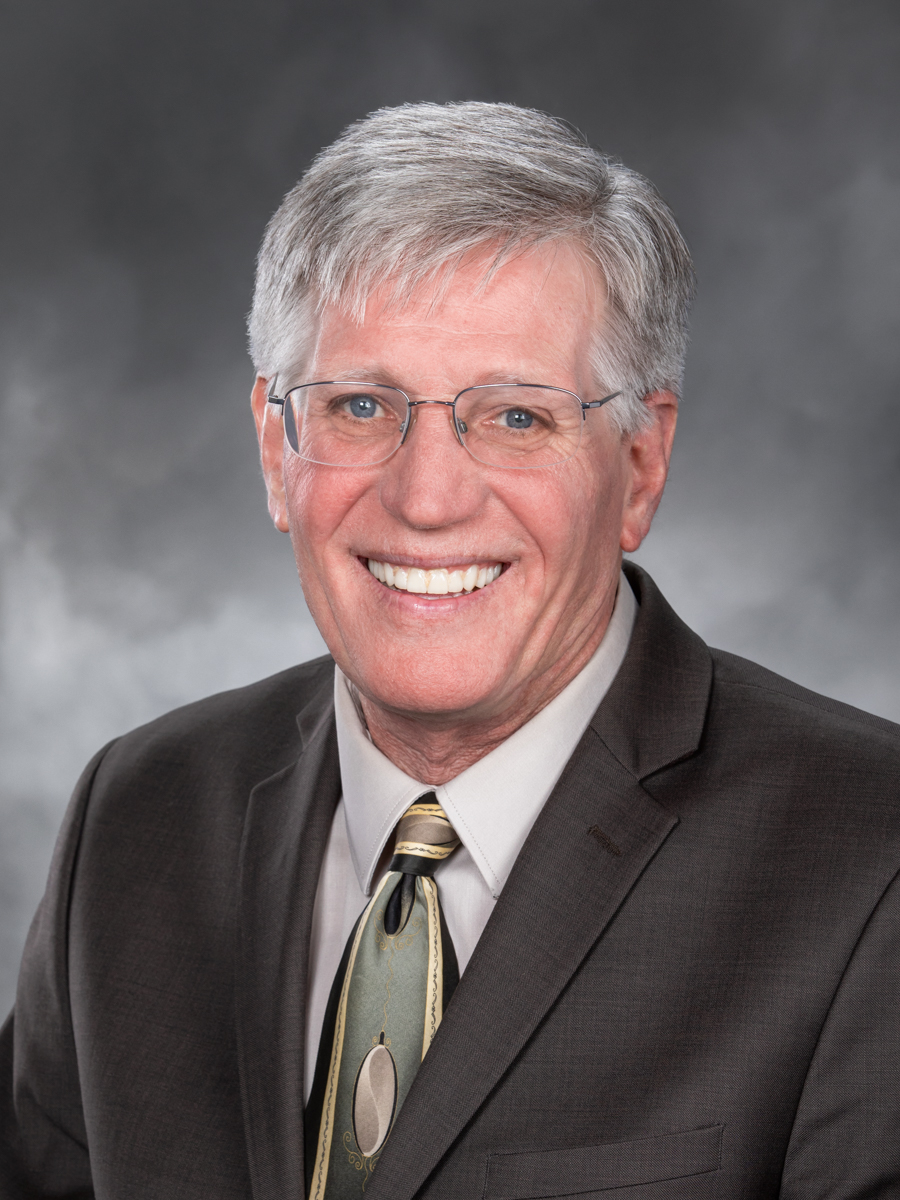
Maddy summaryHR 4687 is a ceremonial resolution (not a substantive bill) adopted by the Washington State House of Representatives on February 24, 2026. It formally honors Steve Nelsen for his 34 years of public service, including 22 years as the first Executive Director of the Law Enforcement Officers' and Firefighters' Plan 2 Retirement Board. The resolution commends his role in establishing and strengthening the retirement system, ensuring its fiscal stability, and advancing the principle "They keep us safe, we keep them secure." It has no policy impact or direct effect on beneficiaries, funding, or operations - it solely serves as a symbolic tribute to Nelsen's retirement.
Sponsored bills
Maddy summaryThis Washington state joint memorial (HJM 4017) urges the U.S. federal government to take specific actions regarding Iran, directly affecting U.S. agencies and policymakers. It requests the U.S. refrain from military intervention, strengthen targeted sanctions against Iranian officials violating human rights, minimize harm from broad sanctions on civilians, and support Iranian democracy movements through diplomatic and humanitarian means. The resolution emphasizes prioritizing Iranian-led democratic processes and includes nine specific policy requests, such as expanding internet access and halting deportations to Iran. As a symbolic state resolution - not a binding law - it has no legal effect but formally expresses Washington’s position to federal authorities.
Maddy summaryHB 2713 would impose a 1% surcharge on the taxable income from operating private detention facilities in Washington State, effective July 1, 2026. It directly affects operators of such facilities that generate over $1 million in annual Washington gross receipts. The surcharge applies to the portion of income specifically tied to running these facilities, in addition to existing business taxes. This policy change would increase tax obligations for qualifying private detention facility operators without altering the definition of the facilities themselves.
Maddy summaryThis resolution (HR 4692) acknowledges the 84th anniversary of Executive Order 9066, which led to the forced relocation and internment of over 120,000 Japanese Americans during WWII, including 12,000 from Washington State. It recognizes Japanese American veterans, incarcerees, and civil rights activists from Washington, and urges reflection on the principle "with liberty and justice for all," without creating new policies or requiring government action.
Maddy summaryHB 2281 strengthens Washington State's government-to-government relationship with federally recognized tribes by requiring state agencies to consult with tribes before actions affecting tribal cultural sites or practices. It defines "tribal traditional cultural places" and prohibits agencies from imposing "undue burdens" on tribal traditions without proving a compelling government need and using the least restrictive approach. Tribes can seek legal remedies in court if agencies violate these protections, with specific burden-of-proof rules for cases involving sacred tribal knowledge. The bill directly affects tribes whose cultural sites or practices may be impacted by state projects like construction or land management.
Maddy summaryHB 2329 amends Washington state law to clarify that licensed midwives may delegate certain midwifery tasks to medical assistants and coordinate with international board-certified lactation consultants. The bill specifically updates statutes to allow midwives to authorize medical assistants to perform tasks within the assistants' training and scope of practice, while maintaining required supervision standards. It also explicitly confirms that midwives may work with lactation consultants without restrictions. This directly affects midwives, medical assistants, and lactation consultants by expanding midwives' ability to delegate routine care tasks under supervision. The policy change streamlines midwifery practice without altering core supervision requirements.
Maddy summaryHB 2399 prohibits property insurance policyholders from assigning their post-loss insurance benefits to third parties (like contractors) after a claim occurs. This directly affects homeowners and renters who might otherwise sign agreements transferring control of their insurance claims to repair companies. The bill makes such assignments void and unenforceable, while allowing exceptions for licensed public adjusters, attorneys working for the homeowner, and mortgage lenders. Violations can result in $50,000 fines per incident, with enforcement handled by the Insurance Commissioner.
Maddy summaryHB 2297 creates incentives to support grocery stores in underserved communities across Washington, directly affecting low-income residents, communities of color, rural populations, immigrants, refugees, and people with limited transportation access. The bill requires cities to adopt model tax ordinances that reduce structural cost barriers for grocery retailers through mechanisms like tax credits and standardized small business thresholds. It aims to preserve existing stores and encourage new development in areas where market forces have failed to provide adequate food access, with the goal of strengthening local jobs and neighborhood stability. The legislation focuses on concrete policy changes to address food access barriers, not on speculative outcomes.
Maddy summaryHB 2389 modifies Washington state's juvenile sentencing system to reduce racial disparities and replace an outdated 1978 sentencing grid with individualized approaches. It creates new alternatives to confinement for youth offenders, particularly for non-violent offenses like robbery (which disproportionately impacts Black youth), and eliminates mandatory minimums for most cases. The bill requires courts to consider rehabilitation progress and community-based supervision instead of long-term incarceration (over 6 months), which research shows increases health risks without reducing recidivism. It directly affects youth under 18 in Washington's juvenile justice system, aiming to provide equitable sentencing options while reducing reliance on secure confinement.
Maddy summaryHB 2351 strengthens protections for emergency responders in Washington by expanding the definition of "obstruction" to cover firefighters, EMTs, and other emergency personnel during active incidents. It makes it a gross misdemeanor to willfully hinder these responders when they are identifiable as such, with specific provisions allowing defense if a mental health crisis was involved. The bill also prohibits local government agencies (cities, counties, and emergency command systems) from using public funds to investigate or assist federal programs targeting emergency responders based on immigration status, race, religion, or national origin - except for required legal compliance or non-immigration-related duties. These changes apply to all emergency responders as defined in the law, effective January 1, 2027.