

Maddy summaryHB 2354 modifies Washington law to limit restrictions on electric vehicle (EV) charging station installations in common interest communities (like HOAs and condominiums). It prohibits associations from unreasonably restricting personal, noncommercial EV charging within a unit or designated parking space, unless the station is on common elements or connected to shared power. Associations may require applications for approval but must process them within 60 days, cannot charge fees for installation (only reasonable processing fees), and must approve if the unit owner agrees to follow architectural standards. This directly affects unit owners seeking to install EV chargers and associations managing community rules. The bill focuses on removing barriers to EV adoption by standardizing approval processes.
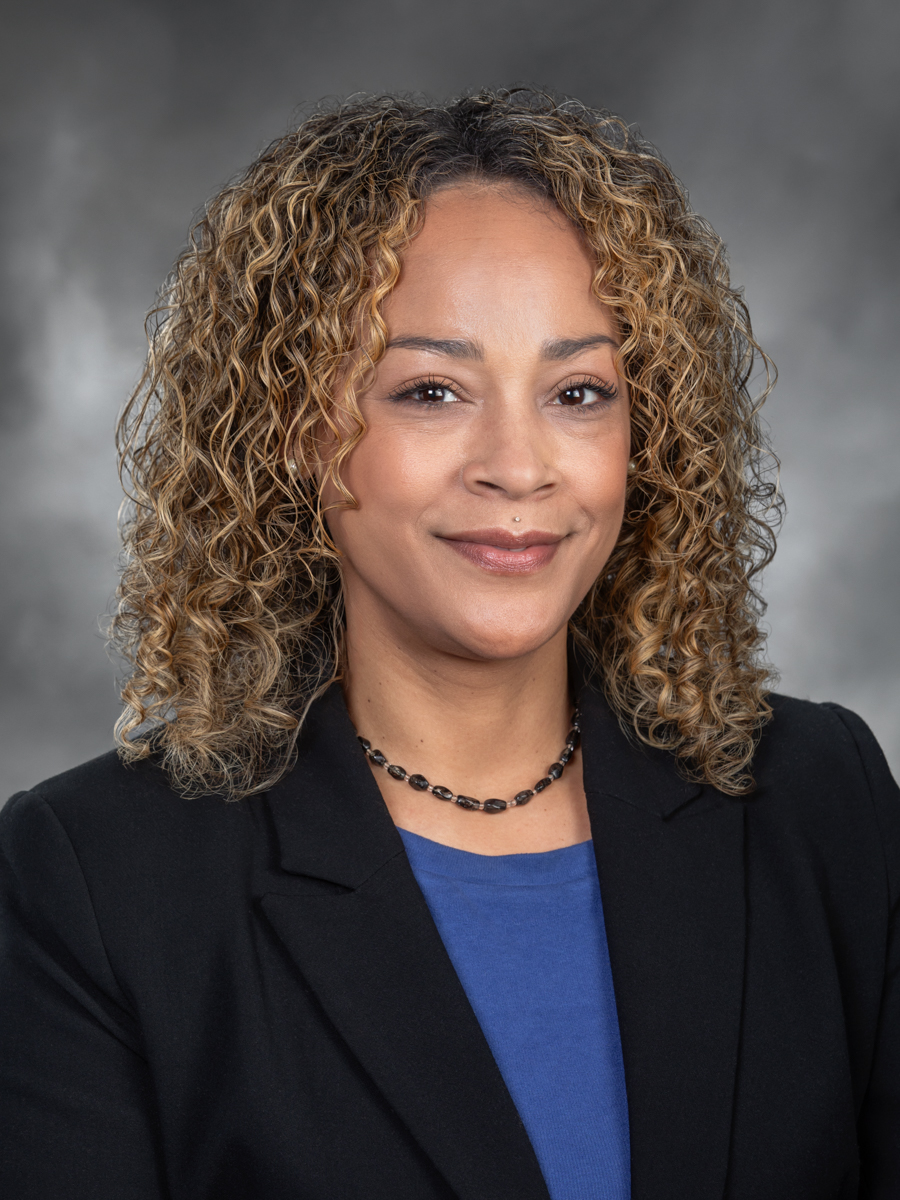
Rep. Natasha Hill
Sponsored bills
Maddy summaryHB 2238 requires Washington's Department of Agriculture to develop a statewide food security strategy by December 2027, aimed at ending hunger, reducing diet-related health disparities, and strengthening agricultural supply chains. The strategy must define food security through three lenses - access, agricultural viability, and supply chain resilience - and establish metrics to track regulatory costs (like fuel and labor), food access gaps, and agricultural competitiveness. It mandates collaboration with state agencies, tribes, BIPOC communities, small farmers, and food policy organizations to identify policy barriers, coordinate disaster response, and address root causes of hunger. The bill expires July 1, 2028, and requires the department to report on agricultural regulatory competitiveness every four years starting in 2030.
Maddy summaryHB 2248 amends Washington State laws governing corporate filings processed by the Secretary of State's Corporations and Charities Division. It requires trademark assignments to be recorded with the Secretary of State to be valid against subsequent purchasers, adds specific information requirements for international student exchange organizations seeking registration, and clarifies procedures for submitting entity filings and annual reports (including details like registered agent addresses and business descriptions). The bill directly affects businesses, nonprofits, and international student placement organizations that file documents with the Secretary of State. Key changes include standardizing filing timelines, requiring updated information for registered entities, and specifying how the Secretary of State must handle rejected filings.
Maddy summaryHB 2219 creates unified licensing standards for all child care providers in Washington, replacing separate rules for different settings like family care, nature-based programs, and centers. It allows child care centers to combine age groups for up to 4 hours daily (with 90 minutes for staff breaks) while maintaining required staff-to-child ratios, and waives redundant orientation requirements for providers who already completed similar training. The bill directly affects licensed child care providers, early learning programs, and the Department of Children, Youth, and Families, which must implement these standards within available funding. Key changes streamline operations by reducing administrative complexity and aligning quality standards with existing programs like Early Achievers.
Maddy summaryThis bill is a House resolution that formally recognizes Representative Virginia "Jenny" Graham for her public service in the Washington State House of Representatives. It highlights her eight-year tenure, her advocacy for public safety, and her work on community safety and veterans' issues. The resolution does not create new laws or policies but serves as an official acknowledgment of her contributions and legacy.
Maddy summaryThis bill is a House resolution that formally honors John Michael Sattgast for his 35 years of dedicated service as a communications professional for the House Republican Caucus in the Washington State Legislature. It recognizes his work producing over 4,000 radio stories and coordinating media coverage for state representatives, as well as his leadership roles with the National Conference of State Legislatures. The resolution acknowledges his contributions to sharing legislative history and public information, noting his receipt of the 2023 Legislative Staff Achievement Award. This measure serves as a commemorative tribute rather than establishing new policy or affecting government operations.
Maddy summaryThis bill formally acknowledges the service of Representative Steve Tharinger to his district and the Washington state legislature. It recognizes his long career in public service, including his time as a Clallam County Commissioner, his work on the House Capital Budget Committee, and his advocacy for environmental protection and healthcare. The resolution serves as a commemorative tribute to his contributions and personal qualities rather than establishing new laws or policies.
Maddy summaryHB 2319 renames three state facilities currently referred to as "schools" in statutes to "residential habilitation centers" to better reflect their actual purpose of providing habilitative support (like daily living skills training and medical services) rather than education. Specifically, Fircrest School, Rainier School, and Yakima Valley School become Fircrest Residential Habilitation Center, Rainier Residential Habilitation Center, and Yakima Valley Residential Habilitation Center, respectively, while Lakeland Village retains its existing name. The bill clarifies that these name changes are purely administrative - no services, operations, or funding access will be altered. It also updates related statutes to use the new facility names consistently across state law.
Maddy summaryHB 2333 protects elected officials, candidates, election officials, and criminal justice staff (like police, prosecutors, and court personnel) from threats by expanding access to address confidentiality and increasing penalties for harassment targeting them in their official roles. The bill amends Washington’s harassment law to make threats against these groups a class C felony if the threat relates to their duties, and updates the address confidentiality program to include them. This allows eligible individuals to keep their home addresses private (using a state-designated address for official mail) and qualifies them for enhanced security measures. The law directly affects public servants who face threats due to their work, not general public safety. It focuses on concrete policy changes: stronger legal penalties for threatening officials and simplified access to address protection.
Maddy summaryHB 1347 clarifies the regulatory framework for cannabis testing laboratories in Washington state. The bill designates the Department of Agriculture (WSDA) as the authority responsible for accrediting independent, third-party cannabis testing laboratories and establishing their quality standards. The Liquor and Cannabis Board (LCB) will accept this WSDA accreditation as the sole basis for certifying these labs, unless a lab violates LCB requirements. Cannabis producers and processors must submit samples to these accredited labs for quality assurance testing. Any product lot that fails to meet quality standards must be destroyed, and the WSDA is authorized to collect fees to support its accreditation program.