

Maddy summaryHB 1911 creates a new special license plate option titled "Washington state honey bees and pollinators" (plate #36) for Washington vehicle owners. This plate, costing $40 for initial registration and $30 annually, would join existing special plates like "Washington apples" and "Seattle Mariners" in the state's license plate program. The bill amends state code to add this plate type and specifies that fees support pollinator research and education efforts. It does not create new funding or policy changes beyond the plate designation and associated fees.
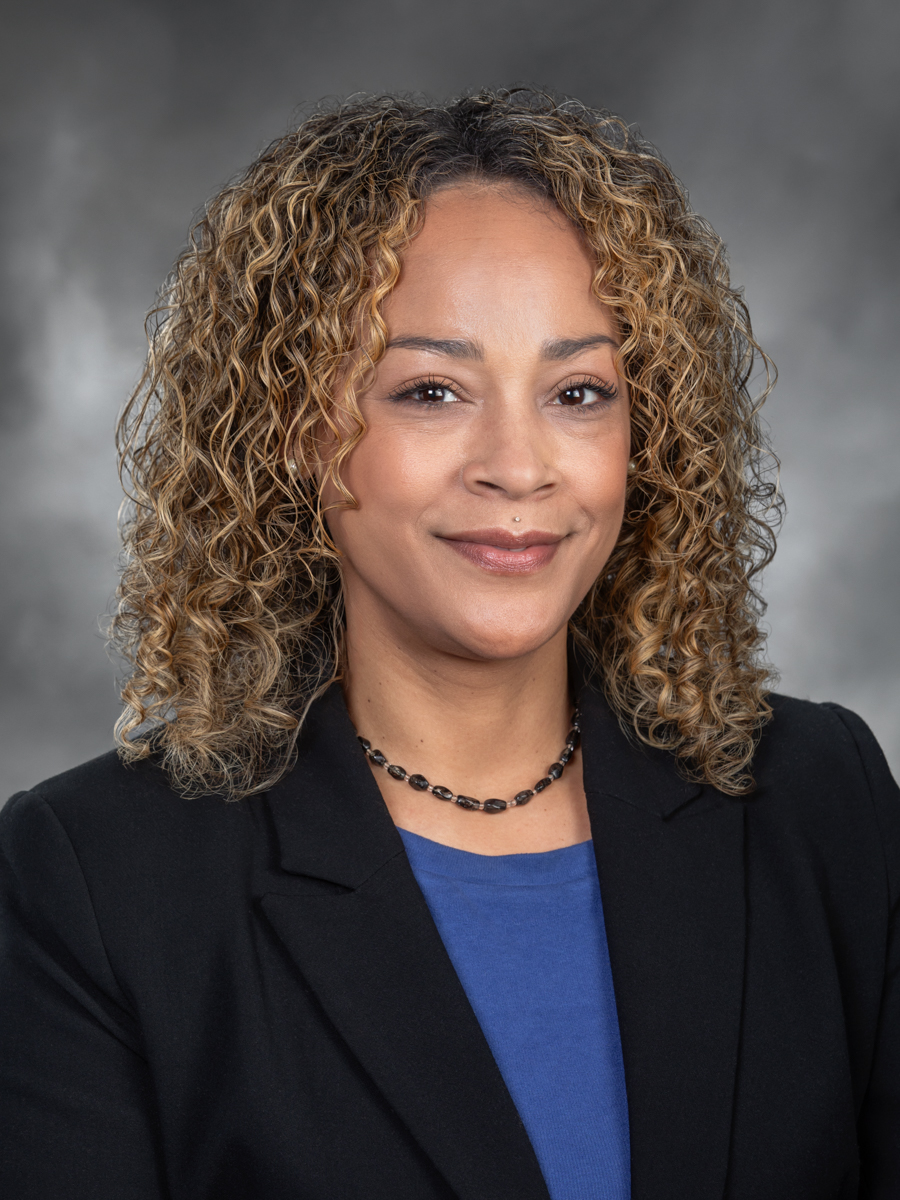
Rep. Natasha Hill
Sponsored bills
Maddy summaryHB 1344 adds respite care to Washington's "basic plus waiver" program, allowing people with intellectual or developmental disabilities and their primary caregivers to access respite care funding more easily. The bill requires the state to seek federal approval to include respite care as an "aggregate service" (meaning funds can be used flexibly without extra approval after annual hours are exhausted), with respite care limited to 30% of the waiver's aggregate budget. It directly affects individuals relying on waiver services for community living and their unpaid caregivers, who often need breaks to maintain their own well-being. The state must submit a federal waiver amendment by September 1, 2025, and update the program upon federal approval. This changes how existing waiver funds can be used for respite care, not creating new funding.
Maddy summaryHB 1231 proposes that Washington's Superintendent of Public Instruction provide information and technical assistance to public school districts (including charter and tribal schools) exploring later start times, such as summaries of student health research and implementation strategies. It also establishes a grant program starting in 2026-27 to fund both the exploration and implementation of later start times, with districts receiving exploration grants eligible for implementation grants later. The bill requires the Superintendent to submit annual reports to the legislature starting in 2028, detailing the program's progress and including summaries of similar efforts in other states. The bill does not mandate later start times but supports districts through resources and funding, contingent on legislative appropriations.
Maddy summaryHB 1512 establishes a grant program to help low-income drivers address nonmoving traffic violations (like registration or insurance issues) through nonpunitive solutions such as repair vouchers, helmet programs, or community education, rather than fines. It directly affects low-income road users - defined as those on public assistance, WIC, Medicaid, or earning 125% of the federal poverty level - by providing alternatives to financial penalties. The bill also requires police to report detailed stop data (including race, age, and reason for stops) starting in 2026 and clarifies that stops for nonmoving violations can only be secondary to primary offenses like speeding or impaired driving. These provisions aim to reduce racial disparities in traffic enforcement while improving road safety compliance.
Maddy summaryThis House Joint Memorial (HJM) requests the Washington State Transportation Commission extend the existing name "Martin Luther King, Jr. Way" to two specific road segments: State Route 900 (from Renton's western city limits to milepost 10) and State Route 515 (between I-405 and SR 516). It does not create new policy or affect residents or businesses, but rather formally updates road signage to honor Dr. Martin Luther King, Jr.'s legacy. The request is procedural, seeking to align the naming with the commission's authority over state highway designations. The resolution is currently pending in the House Rules Committee, with no legislative action taken yet.
Maddy summaryHB 1853 requires Washington school districts to designate all public outdoor recreational spaces (like playgrounds and fields) as "green community schoolyards" available for community use outside school hours. It mandates the state superintendent to create a model shared-use agreement policy covering scheduling, costs, liability, equity, and fee structures to facilitate community access. School districts adopting this model policy become eligible for adjusted state funding under the school construction program. The bill directly affects school districts, community groups, and residents - especially those in underserved areas - by expanding access to outdoor recreation spaces without new land acquisition. It aims to improve physical activity access, community cohesion, and climate resilience through existing school properties.
Maddy summaryHouse Bill 1551 extends Washington's cannabis social equity program, which aims to help certain applicants obtain cannabis licenses, until July 1, 2034. The bill requires the Liquor and Cannabis Board to evaluate the program, including public feedback, and submit a report with findings and policy options to the Governor and Legislature by December 1, 2025. To facilitate this review, new license application windows through the program will be paused until June 30, 2026. Additionally, the waiver of annual licensing fees for social equity licenses is extended through the program's new end date.
Maddy summaryHB 1826 requires mobility equipment manufacturers to provide independent repair providers and device owners with necessary parts, documentation, software, and tools at fair prices. It directly affects Washington residents who use mobility devices like power wheelchairs, scooters, and manual wheelchairs with power assists, addressing current repair delays averaging 4-7 weeks. The bill mandates that manufacturers make these resources available without unreasonable restrictions or costs, ensuring more repair options beyond manufacturer-authorized services. This aims to reduce delays that impact users' safety, employment, education, and daily living.
Maddy summaryHB 1623 prohibits employers from deducting credit card processing fees from employee tips. It requires that when customers pay tips via credit card, employees receive the full amount indicated on the credit card slip, without any reduction for transaction fees charged by the credit card company. This law directly affects tipped workers in Washington, such as servers and bartenders, and applies to all employers accepting credit card tips. The bill amends state law to ensure tips paid by credit card are paid in full to employees, eliminating employer deductions for processing costs.
Maddy summaryHB 1380 establishes standards for local governments to regulate public space use, specifically addressing ordinances that restrict sitting, lying, sleeping, or keeping warm and dry in public areas for people experiencing homelessness. It requires such laws to be "objectively reasonable" by considering public safety, availability of shelter, impact on homeless individuals, and proportionality - prohibiting excessive measures. The bill allows individuals to challenge unreasonable ordinances in court through injunctive or declaratory relief, while protecting local governments from monetary lawsuits. It applies to all cities, towns, and code cities in Washington, aiming to balance public safety with housing access during the homelessness crisis.