

Maddy summaryHB 1150 requires producers of consumer packaging and paper products to fund and manage recycling programs, shifting responsibility from taxpayers to manufacturers. It aims to improve recycling access - especially for rural residents and multi-family housing - by mandating producer-funded curbside collection systems and setting statewide collection and composting targets. The bill defines "covered materials" (like plastic, paper, metal packaging) and exempts certain items (e.g., infant formula packaging), while creating an advisory council to oversee implementation. Producers must meet specific collection rate goals, with smaller businesses qualifying for de minimis exemptions based on revenue thresholds. The law preserves local government authority over waste management but requires producers to integrate into existing recycling infrastructure.
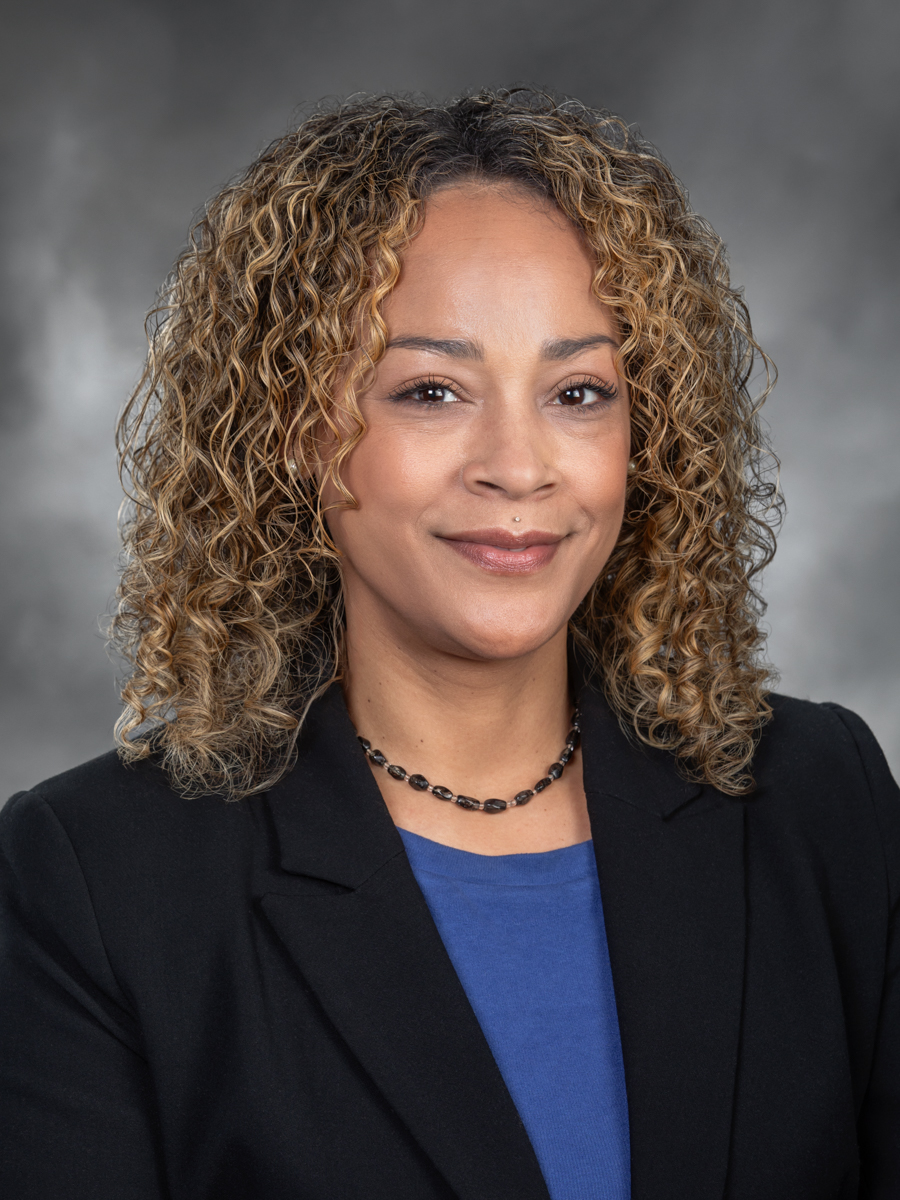
Rep. Natasha Hill
Sponsored bills
Maddy summaryHB 1147 grants incarcerated individuals in Washington state prisons, residential habilitation centers, and state hospitals the right to civic engagement. It requires state agencies to facilitate activities like forming political advocacy groups, using facility spaces for meetings, participating in virtual forums with community groups, and accessing educational resources - without fear of punishment. The bill establishes a Civic Engagement Coordinator within the Office of Equity to handle complaints and ensure agencies uphold these rights. This policy directly affects justice-involved individuals by expanding their ability to participate in civic processes during their time in state custody.
Maddy summaryHB 1404 expands access to free school meals in Washington state by removing income-based eligibility requirements. It mandates that all public school students who request a meal receive it at no cost, regardless of family income, to address food insecurity and support academic success. The bill amends several education funding statutes (including RCW 28A.235.135 and 28A.235.160) to align meal access with this new policy. It directly affects every public school student in Washington, ensuring no child experiences hunger during the school day. The policy change replaces previous tiered eligibility systems with universal free meals for all requesting students.
Maddy summaryHB 1417 imposes a new $0.0015 per cigarette tax based on the carbon emissions from cigarette production ("embodied carbon"), starting October 1, 2025. The tax increases every five years beginning October 2030 by 25% plus the annual inflation rate (measured by CPI), rounded to the nearest cent. This tax applies to cigarette manufacturers or sellers who collect it at the point of sale, with all revenue deposited into the state's general fund. The bill directly affects cigarette producers and retailers by adding this carbon-based tax to existing cigarette excise taxes.
Maddy summaryHB 1220 creates an exception to assault charges for individuals in behavioral health crisis who assault healthcare providers while receiving treatment. It specifically exempts such assaults from third-degree assault charges when the victim is a nurse, physician, or health care provider performing duties during behavioral health treatment under chapters 71.05, 71.34, or 10.77 of the Revised Code of Washington. This applies only when the person is detained, pending evaluation, or receiving voluntary in-patient behavioral health treatment. The bill modifies existing assault law to prevent criminal prosecution in these specific crisis treatment scenarios.
Maddy summaryHB 1897 creates legal liability protection for community-based public safety programs in Washington State. It shields these programs, their volunteers, and staff from lawsuits when providing core services - like outreach, case management, shelter, housing, or transportation - to individuals experiencing behavioral health crises, complex needs, or past legal system involvement, as long as actions are taken in good faith. The protection specifically covers activities directly tied to the program's purpose of addressing public safety issues as an alternative to jail or prosecution. However, it does not apply to cases of gross negligence or willful misconduct. This bill directly affects organizations responding to unmanaged substance use, mental health challenges, or poverty-related public order issues.
Maddy summaryHB 1396 creates an advisory council to increase transparency and accountability for Washington State's Office of Corrections Ombuds. The council, composed of 11 members including currently and formerly incarcerated individuals, family members, and experts in diversity and disability, will advise the ombuds on priorities and provide feedback on reports. The bill requires the ombuds to consult the council, share deidentified data and trends, and submit annual reports detailing complaints, investigations, and stakeholder input. It also mandates the ombuds to actively solicit feedback from incarcerated people and implement anti-racist training for council members. This bill directly affects incarcerated individuals, their families, and the ombuds office by restructuring oversight processes to center lived experience.
Maddy summaryHB 1263 updates Washington's Essential Needs and Housing Support Program to expand eligible uses for assistance. It allows cash assistance for recipients (previously prohibited) and clarifies eligibility for low-income elderly or disabled adults transitioning off certain benefits who have immediate housing needs. The bill requires housing support entities to prioritize homeless individuals first and those at "substantial risk" of losing housing second, while mandating data reporting to homeless management systems and limiting administrative costs to 5% of program funds. This directly affects vulnerable residents facing housing instability, including homeless individuals and those at risk of losing housing due to financial hardship.
Maddy summaryHB 1196 limits the revocation of voting rights to individuals convicted in Washington state courts of a crime punishable by death (an "infamous crime" under the bill). It automatically restores voting rights when such individuals are no longer incarcerated under the Department of Corrections, without requiring separate action. The bill amends voter registration forms, challenge procedures, and automatic restoration rules to align with this narrower standard, removing revocation for other felonies. This directly affects Washington residents convicted of specific death-penalty crimes who were previously barred from voting during incarceration. The bill does not change voting rights for non-death-penalty convictions or out-of-state/federal offenses.
Maddy summaryHB 1816 allows cities and counties with over 200,000 residents to create civilian crisis response teams that handle specific 911 calls instead of police. These teams can serve as the primary response for calls involving mental health crises, safety checks, or resource requests (like shelter or food), but only when no active violence or weapons are reported. The bill requires teams to undergo training in de-escalation and scene safety, and mandates consultation with health authorities to set qualifications and operating protocols. It designates these teams as a "third 911 responder" alongside police and fire, operating outside traditional law enforcement and fire response systems.