

Maddy summaryHB 1266 establishes the Washington State Commission on Boys and Men within the governor's office to address issues affecting boys and men across six focus areas: mental/physical health, education, careers, fatherhood, the preschool-to-prison pipeline, and court system experiences. The commission, composed of 11 appointed non-legislative members (with diverse representation requirements) and 4 legislative advisory members, will monitor legislation, coordinate with other commissions (like the women's and LGBTQ commissions), gather data, and submit biennial reports to the legislature and governor. Its key duties include identifying needs, advising state agencies on policies affecting boys and men, holding public hearings, and advocating for removing barriers they face. This is a structural commission creation bill, not a policy change, with no direct fiscal impact detailed in the provided text.
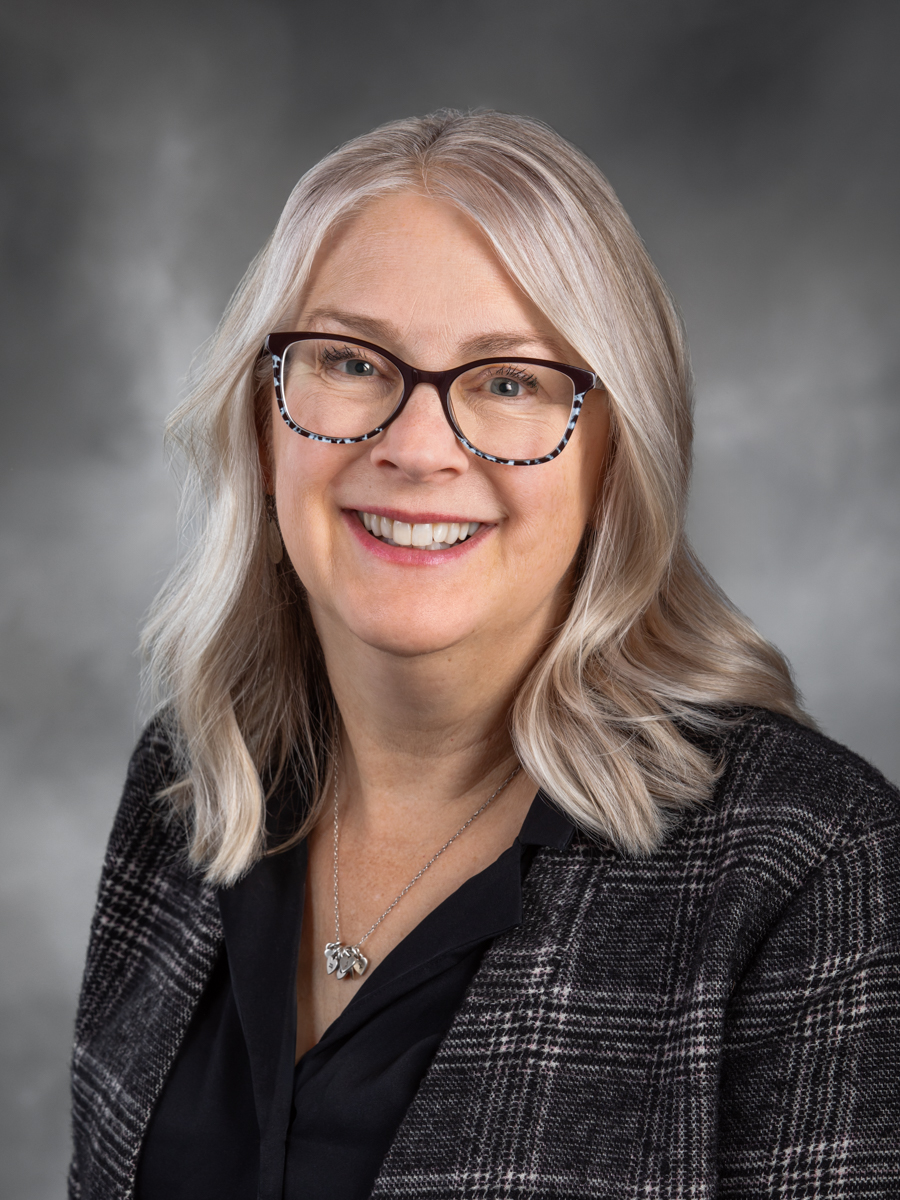
Rep. Cyndy Jacobsen
Sponsored bills
Maddy summaryHB 1649 redesigns Washington’s community-based training pathway for licensed child care providers, replacing the underutilized "PACE" program with a new pathway modeled after the discontinued "Building Bridges" curriculum. The bill requires the Department of Children, Youth, and Families to create a low-cost ($250 max), multilingual, culturally relevant training program available online and in communities by August 2025. Licensed providers can meet licensing requirements through this new pathway, existing certificates, or work experience (3+ years in licensed care) until at least 2035. The changes aim to make training more accessible, particularly for rural providers and those with language barriers.
Maddy summaryHB 1016 creates a 20% tax credit for Washington employers hiring qualified veterans or spouses of active-duty military members, up to $3,000 per employee annually. To qualify, employees must work full-time (35+ hours/week) for two consecutive quarters, and employers must claim credits electronically. The credit is capped at $5 million total per fiscal year across both this bill and a related provision, with credits expiring for tax years after 2036. This directly affects employers in Washington who hire eligible military-affiliated workers, aiming to incentivize veteran/military family employment through tax relief.
Maddy summaryHB 1751 exempts required course materials (like textbooks and digital resources) from Washington state sales and use taxes for students enrolled at public colleges and universities. It requires students to show valid enrollment proof at approved vendors (campus bookstores or institution-designated online sellers) to qualify for the exemption. Public institutions must inform students about this tax break via their websites and course syllabi. The bill directly affects all students at Washington’s public higher education institutions by reducing out-of-pocket costs for essential learning materials, which the legislature notes are increasingly unaffordable (65% of students skip buying textbooks due to cost).
Maddy summaryHB 1559 updates Washington state law to authorize tolls on the existing and replacement Interstate 5 bridges crossing the Columbia River between Washington and Oregon, while explicitly excluding the Washington portion of Interstate 205 from tolling. It clarifies that toll revenue from these bridges must be spent only on designated transportation projects under state law. The bill repeals outdated provisions related to previous agreements about the Columbia River crossing project and the I-5 bridge replacement, streamlining the legal framework for toll collection on this specific corridor. This affects drivers using the I-5 bridges and ensures toll funds are directed to eligible transportation uses.
Maddy summaryHB 1204 requires manufactured home park landlords to include specific written disclosures in rental agreements for all tenants, including clear closure notices in bold text and historical rent data. It directly affects seniors aged 55+ by prohibiting park rules that block them from having roommates in shared housing arrangements - such as exchanges of services for room and board - while banning entrance/exit fees. The bill also restricts rent increases during closure periods to no more than 1% above the U.S. consumer price index and prohibits fees for guest parking or towing without prior notice. These changes aim to increase housing stability and affordability for seniors in manufactured home communities by standardizing tenant protections.
Maddy summaryHB 1242 requires Washington's Department of Licensing to annually review 10% of state-licensed professions (completing a full review of all licenses within 10 years), producing detailed reports by August 31 each year. These reports must analyze license renewal fees, education/experience requirements, comparisons to other states, and whether regulations are the "least restrictive necessary" to protect public health and safety. The bill directly affects all professional boards and licensees by mandating transparency in licensing costs, renewal timelines, and regulatory justification. The reports will include data on license issuances, revocations, and recommendations for modifying or ending licenses, aiming to streamline oversight without unnecessary barriers.
Maddy summaryHB 1025 allows Washington employees with long-term care insurance purchased before November 1, 2027, to apply for an exemption from the long-term services and supports trust program premium. This exemption is permanent, meaning these employees will no longer be eligible for coverage under the program. The bill extends the application window for exemptions to December 31, 2028, and requires employees to notify employers of their exemption. Employers must stop deducting premiums after notification and refund any premiums deducted after that point.
Maddy summaryHB 1452 increases penalties for motor vehicle and retail theft in Washington. It creates new felony charges for "organized retail theft" (starting at $750 in stolen goods across multiple stores or with multiple accomplices) and adds a $50,000 fine for thefts exceeding $20,000. Drivers who flee police while suspected of vehicle theft face harsher penalties, including a more severe felony charge. The bill also directs funding for specialized prosecutors in counties with high theft rates to address these crimes.
Maddy summaryHB 1451 amends Washington state law governing the civil commitment of individuals deemed "sexually violent predators" who suffer from mental abnormalities or personality disorders making them likely to commit predatory sexual acts if not confined. The bill clarifies definitions (including "sexually violent offense," "predatory acts," and "less restrictive alternative") and establishes new requirements for conditional release, such as ensuring counties have adequate housing options for released individuals. It also restricts placement near "risk potential" locations like schools, parks, and youth facilities, while defining "secure community transition facilities" for supervised release. The changes aim to balance community safety with structured release options for those subject to civil commitment.