

Maddy summaryHB 1295 requires Washington public school districts to implement evidence-based reading and writing literacy programs for kindergarten through fourth grade students. These programs must include phonics, phonemic awareness, fluency, vocabulary, and comprehension instruction, and be fully operational by the 2027-28 school year. The bill also mandates revised teacher training standards for educators to deliver these programs, with new certification requirements by 2026 and educator preparation programs updated by 2027. This directly affects elementary schools, teachers, and students, particularly those identified as reading below grade level, with specific attention to improving equity in dyslexia screening and support.

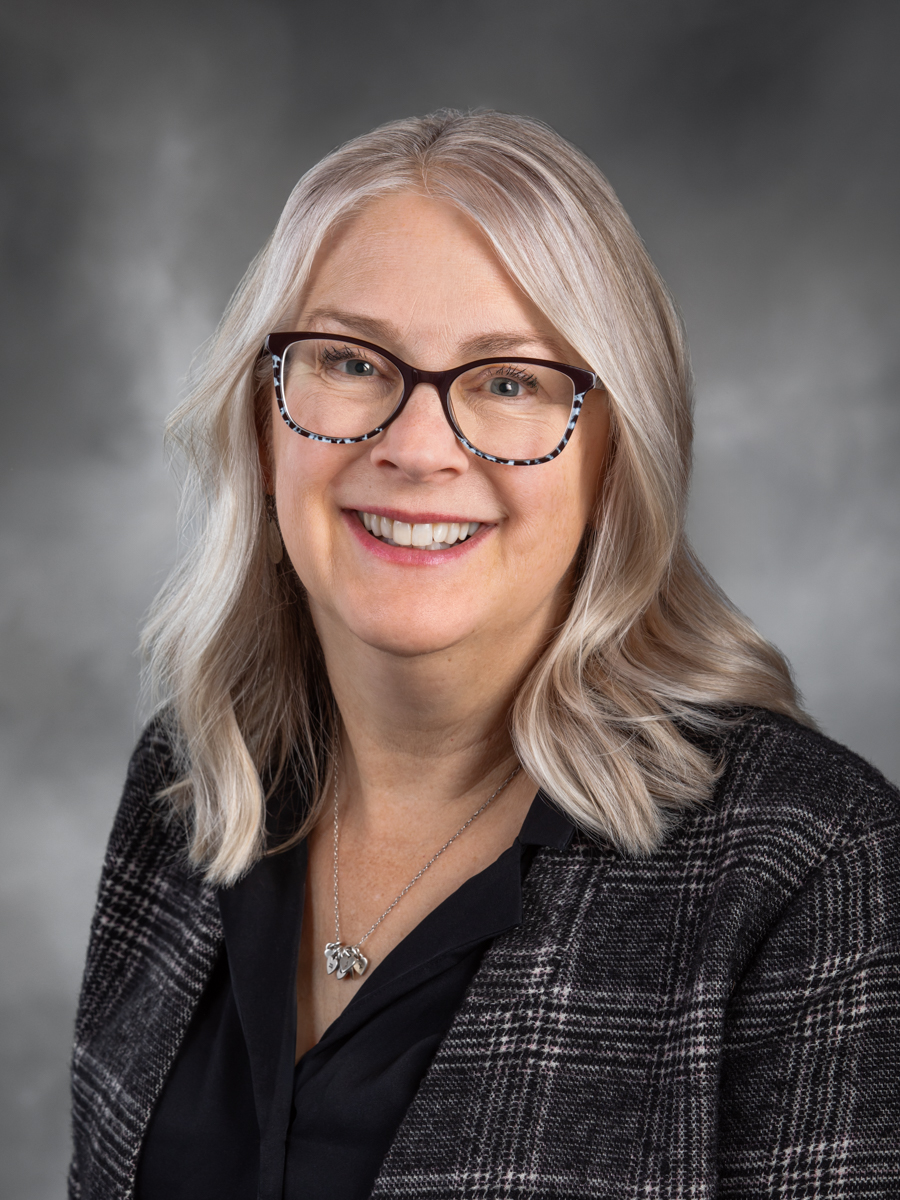
Rep. Cyndy Jacobsen
Sponsored bills
Maddy summaryHB 1376 would allow Washington taxpayers with capital gains tax liabilities to pay their taxes up to six months before the regular due date. This applies specifically to taxes owed under Chapter 82.87 RCW, affecting individuals or entities with capital gains tax obligations. The bill specifies that payments must follow standard department procedures, and no interest would be charged if the taxpayer overpays and qualifies for a refund. This is a procedural change to tax payment timing, not a tax rate adjustment.
Maddy summaryHB 2664 modifies how eviction notices (unlawful detainer notices) and similar legal notices must be delivered in Washington state. It clarifies service methods when tenants are absent or untraceable, allowing notices to be left on the property and mailed to the last known address, with a mandatory 5-day waiting period after mail delivery before eviction actions can begin. The bill directly affects tenants facing eviction, landlords seeking possession, and property management companies (including corporate owners). Key provisions specify acceptable service locations, required mailing procedures, and define how subtenants are handled in lodging situations.
Maddy summaryHB 2353 raises Washington State's predesign threshold for major capital construction projects from $10 million to $15 million, with annual inflation adjustments starting July 1, 2027. It requires state agencies to conduct predesign reviews for projects exceeding this threshold, including value-engineering analysis and cost comparisons, to improve efficiency. The bill directly affects state agencies planning large facilities like schools or infrastructure, ensuring projects over $15 million (adjusted for inflation) undergo formal cost and design evaluations. The legislation also establishes reporting requirements for exceptions to these reviews, maintaining transparency in budgeting for public construction.
Maddy summaryHB 2309 eliminates unnecessary postgraduate degree requirements for most state jobs in Washington. It directly affects state job applicants and current employees by changing hiring standards to allow qualification through experience or other means, unless a degree is legally required for the job's essential functions. The bill amends state law to require that classification plans for state positions not mandate postgraduate degrees as the sole qualification method. This aims to broaden the pool of eligible candidates and align hiring with actual job needs rather than arbitrary educational requirements. The bill passed unanimously in the House during the 2026 legislative session.
Maddy summaryThis bill is a House resolution that formally recognizes Representative Virginia "Jenny" Graham for her public service in the Washington State House of Representatives. It highlights her eight-year tenure, her advocacy for public safety, and her work on community safety and veterans' issues. The resolution does not create new laws or policies but serves as an official acknowledgment of her contributions and legacy.
Maddy summaryThis bill is a House resolution that formally honors John Michael Sattgast for his 35 years of dedicated service as a communications professional for the House Republican Caucus in the Washington State Legislature. It recognizes his work producing over 4,000 radio stories and coordinating media coverage for state representatives, as well as his leadership roles with the National Conference of State Legislatures. The resolution acknowledges his contributions to sharing legislative history and public information, noting his receipt of the 2023 Legislative Staff Achievement Award. This measure serves as a commemorative tribute rather than establishing new policy or affecting government operations.
Maddy summaryThis bill formally acknowledges the service of Representative Steve Tharinger to his district and the Washington state legislature. It recognizes his long career in public service, including his time as a Clallam County Commissioner, his work on the House Capital Budget Committee, and his advocacy for environmental protection and healthcare. The resolution serves as a commemorative tribute to his contributions and personal qualities rather than establishing new laws or policies.
Maddy summaryHB 2343 requires publicly owned game farms in Washington (like those operated by the Department of Fish and Wildlife) to obtain water quality permits under the state's concentrated animal feeding operation (CAFO) program, which they currently avoid. It mandates these facilities to implement specific manure pollution prevention plans, groundwater monitoring, and reporting protocols - similar to private farms - when housing over 5,000 game birds. The bill explicitly includes pheasants and similar game birds in CAFO regulations and ensures public facilities meet the same water quality standards as private operations to prevent nitrate contamination of drinking water wells. This aligns public game farm management with existing environmental protections for private agricultural operations.
Maddy summaryHB 2111 amends Washington state law to ensure the Interstate 5 bridge replacement project toll facility bond retirement account receives its proportionate share of investment earnings from the state treasury. The bill adds this specific account to a list of state funds that automatically receive earnings based on their average daily balance in the treasury. This change affects only the financial management of the I-5 bridge project's dedicated account, ensuring it benefits from the same investment returns as other similar state accounts. The bill does not create new funding or alter project scope - it simply corrects the accounting mechanism to include this account in existing earnings distribution rules.