

Maddy summaryHB 1426 creates a new civil protection order specifically for vulnerable adults to prevent abuse, not impaired driving (the title contains an error). The bill defines abusive behaviors like physical, mental, sexual, and financial abuse, including coercive control tactics such as isolation, threats, or controlling finances. It amends multiple statutes (e.g., RCW 7.105) to establish this protection order process, prescribe penalties for violations, and clarify terms like "coercive control." The order would allow vulnerable adults to seek court protection against abusers, directly affecting individuals aged 65+ or those with disabilities who are vulnerable to abuse. The bill is currently pending in the House Committee on Civil Rights & Judiciary.
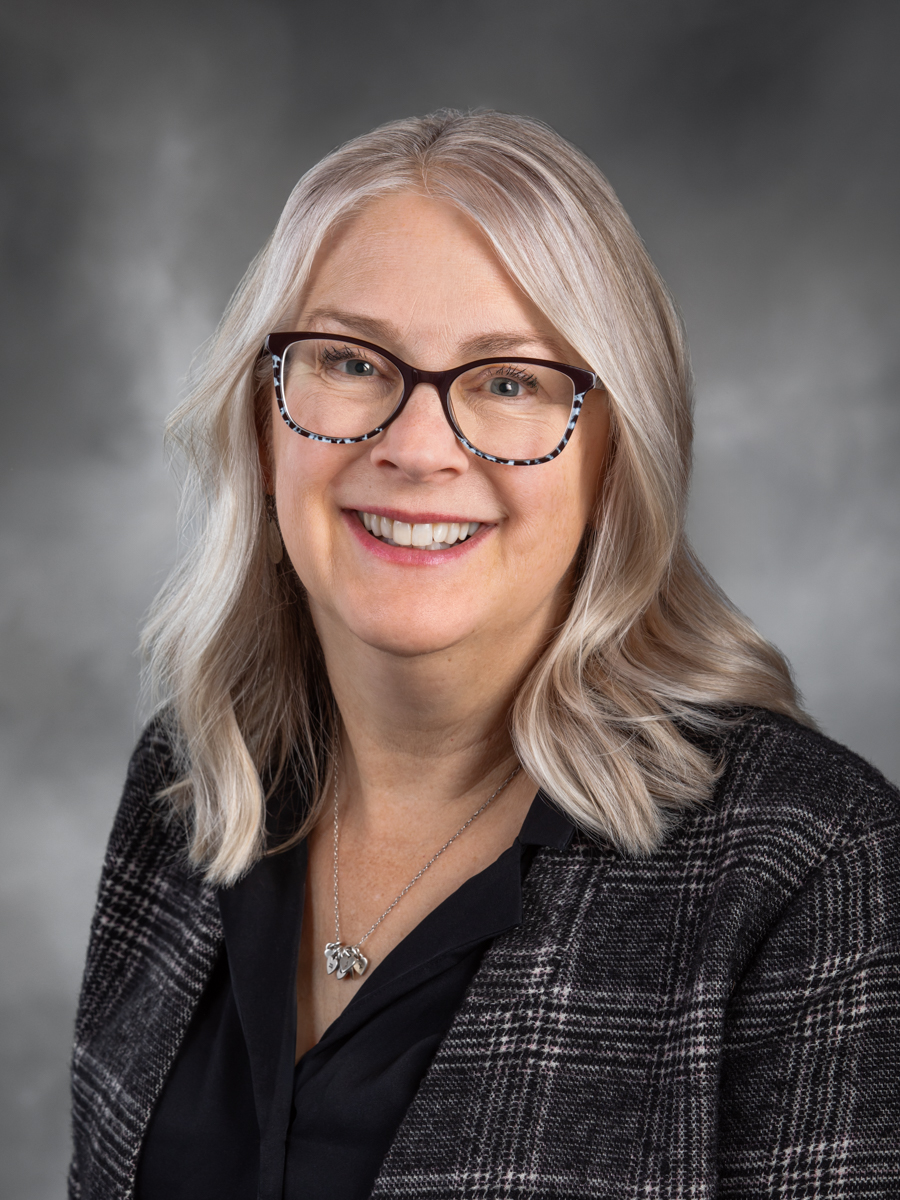
Rep. Cyndy Jacobsen
Sponsored bills
Maddy summaryThis bill would allow parents to be paid for providing specialized care to their minor children (under 18) with developmental disabilities. It requires the state to seek federal approval to pay parents for "extraordinary care" - defined as care beyond typical parenting duties needed to prevent institutionalization. If approved, parents would qualify for payment under specific rules, including meeting training requirements like other caregivers. The bill applies only to children in certain high-need assessment categories and does not affect existing services for adults or non-disabled individuals.
Maddy summaryHB 1285 establishes financial education instruction as a graduation requirement for public high school students in Washington state. Beginning in the 2027-28 school year, all high schools must provide instruction in the state financial education learning standards. Starting with the graduating class of 2031, students will be required to meet these standards to graduate. The bill also tasks the Office of the Superintendent of Public Instruction with making instructional materials available and outlines monitoring responsibilities for the State Board of Education.
Maddy summaryHB 1088 creates a task force to study Washington's residential landlord-tenant laws and recommends updates, while imposing a 36-month moratorium on new local regulations governing rental relationships. The task force - composed of landlords, tenants, housing advocates, and local government representatives - will examine issues like rent limits, evictions, and security deposits, with recommendations due by July 2027. The moratorium prevents cities, towns, and counties from enacting new ordinances or policies regulating landlord-tenant matters for 36 months. This bill directly affects local governments, landlords, and tenants by halting new local rules during the study period. It aims to create a consistent state-level framework for housing regulations, addressing disparities caused by varying local ordinances.
Maddy summaryHB 1206 expands eligibility for Washington's multifamily tax exemption program to all counties required or choosing to plan under the Growth Management Act (RCW 36.70A.040), removing a previous population threshold. The bill amends tax code definitions to include any qualifying county under the Growth Management Act, regardless of unincorporated population size. This change directly affects counties that must develop or choose to develop comprehensive plans under state law, enabling them to offer tax incentives for multifamily housing projects. The key mechanism is revising eligibility criteria to eliminate the prior minimum population requirement for counties seeking to use this program. The policy change aims to broaden access to tax incentives for affordable housing development across more jurisdictions.
Maddy summaryHB 1011 creates a state grant program to fund physical school safety improvements like security vestibules, metal detectors, fencing, and lighting for public and tribal schools in Washington. Eligible schools must cover at least 100% of project costs with nonstate funds (reduced to 25% for schools with high poverty rates), and projects cannot exceed $1 million in total cost. Grantees must maintain control of the improved facilities for 10 years and use them solely for safety, with repayment required if they violate these terms. The program requires projects to follow safety-focused design principles and will operate through a competitive application process administered by the state superintendent's office.
Maddy summaryHB 1777 streamlines the state approval process for apprenticeship programs that already have federal approval, directly affecting program sponsors (including tribal and nontribal organizations) and employers seeking to expand training opportunities. It requires the apprenticeship council to expedite reviews of federally-approved programs by limiting state-specific scrutiny to unique requirements, while reforming competitor objections: objections must be filed within 30 days of provisional approval, and frivolous objections can trigger penalties like attorney fee payments or $10,000 fines. The bill also mandates annual reports comparing Washington’s program approval rates to federal standards and other states, including details on pending applications and denial reasons. These changes aim to reduce current delays - where 4 of 17 2024 applications remained pending after federal approval - without altering apprenticeship content or creating new training slots.
Maddy summaryHB 1436 allows Washington cities and counties to impose a 0.10% sales tax to fund additional commissioned law enforcement officers. Local governments must use the revenue to hire more officers if their officer-to-population ratio is below the national average, or for other criminal justice programs (like domestic violence services or homelessness initiatives) if their ratio is already above average. The state collects the tax and returns the funds directly to the local jurisdiction. This bill aims to address Washington’s low ranking in law enforcement staffing per capita and high crime rates by creating a dedicated funding mechanism for local governments.
Maddy summaryHB 1762 prohibits Washington state's public colleges and universities from requiring students to live in on-campus housing or university residence halls. This bill directly affects public higher education institutions (like the University of Washington or community colleges) and their students. The key provision adds a new legal restriction to state law, making it illegal for these public schools to mandate residential living as a condition of enrollment. The bill focuses solely on eliminating this requirement, without changing other housing policies or financial aspects.
Maddy summaryHB 1117 repeals Washington State's adoption of California's motor vehicle emissions standards, which had caused registration barriers for vehicles meeting federal standards. The bill directly affects vehicle owners who previously needed 407,541 exemptions to register their vehicles and government agencies managing registrations. Key provisions require the Department of Licensing to register previously prohibited vehicles (if they meet state requirements) and direct the Department of Ecology to repeal all rules implementing California standards. This eliminates administrative burdens on both the public and government, allowing vehicles to be registered without exemptions under federal standards. The bill takes immediate effect as an emergency measure.