

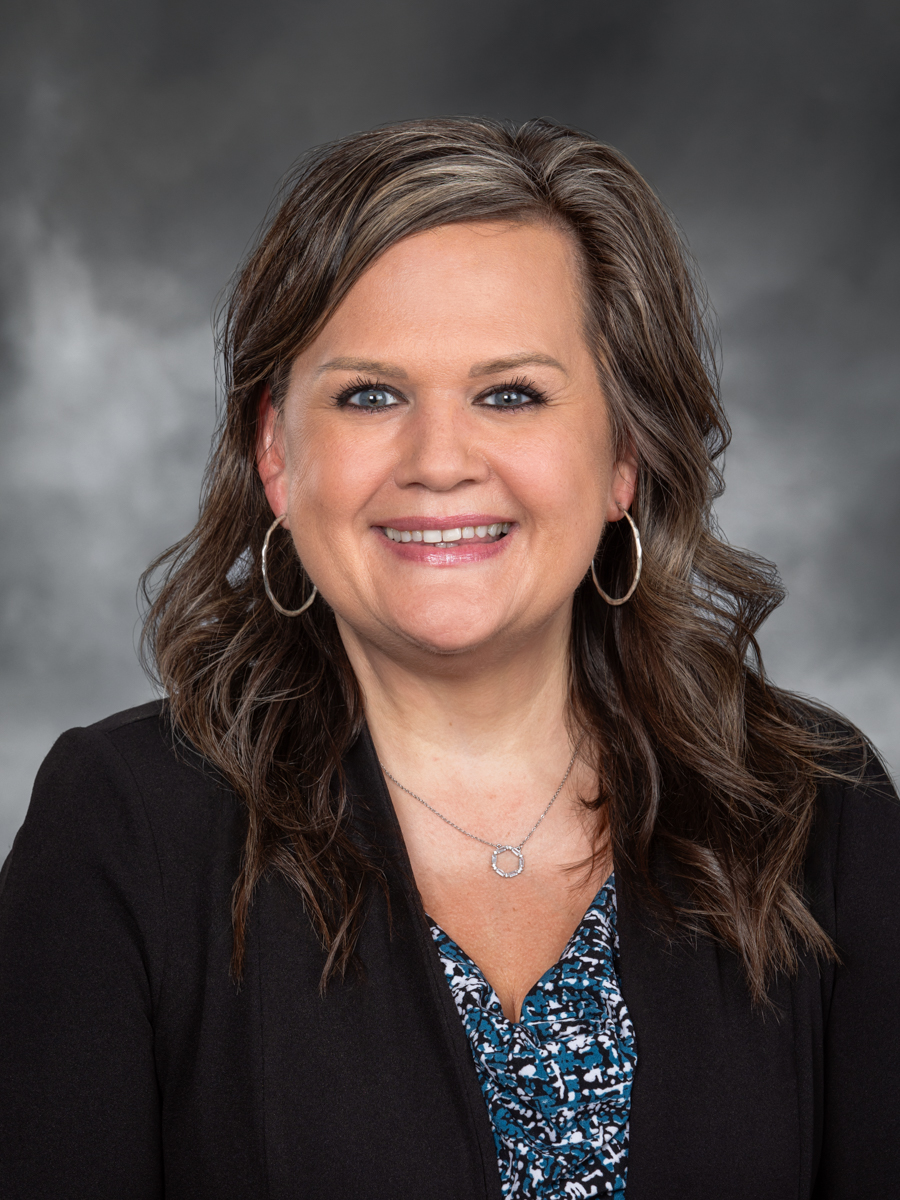
Photo of Tarra Simmons
D Washington House · District 23 On the 2026 ballot

Rep. Tarra Simmons

Compare
Total votes
3,509
all sessions
Attendance
98%
84 missed
Lower than 90% of chamber peers
With party
99%
of cast votes
Near the chamber average
Bipartisan score
0%
crosses aisle rarely
Near the chamber average
Sponsored
1,039
bills & resolutions
Higher than 91% of chamber peers
Committees
4
assignments
1,039 bills and resolutions

Sponsored bills

Total
1,039
Primary
63
Co-sponsor
976
This page
1,039
matching current filters
Co-sponsor HB 1667
In committee · Washington House · Co-sponsor
Concerning comprehensive cancer education programs.

Maddy summaryHB 1667 requires Washington's state department to contract with a qualified training entity to deliver age-appropriate cancer education programs to students in grades 6-12. The programs must cover cancer prevention, risk reduction, and emotional resources, be delivered in 50-75 minute sessions aligned with existing health curricula, and expand access to Spanish-speaking students and geographically diverse areas. School districts may voluntarily choose to offer the programs and select which grades participate. The bill mandates the department to report on program delivery, participation, and language accessibility by December 2027, with funds intended to supplement - never replace - existing offerings.

In committee Jan 12, 2026 1 co-sponsor
Co-sponsor HB 1682
In committee · Washington House · Co-sponsor
Concerning part-time workers in the unemployment insurance system.

Maddy summaryThis bill changes Washington's unemployment insurance rules for part-time workers, effective August 3, 2025. It revises the definition of "suitable work" for part-time workers (those who earned wages in at least 40 base-year weeks with an average of under 35 weekly hours) to require them to seek work matching their historical average hours, rather than the previous 17-hour limit. It also adds protections: workers needing to care for family members or address domestic violence/stalking may not lose benefits for seeking at least 20-hour workweeks instead of full-time. The policy directly affects part-time workers who qualify under these new base-year criteria.

In committee Jan 12, 2026 1 co-sponsor
Co-sponsor HB 1623
In committee · Washington House · Co-sponsor
Prohibiting deductions for credit card transaction processing fees from employee tips.

Maddy summaryHB 1623 prohibits employers from deducting credit card processing fees from employee tips. It requires that when customers pay tips via credit card, employees receive the full amount indicated on the credit card slip, without any reduction for transaction fees charged by the credit card company. This law directly affects tipped workers in Washington, such as servers and bartenders, and applies to all employers accepting credit card tips. The bill amends state law to ensure tips paid by credit card are paid in full to employees, eliminating employer deductions for processing costs.

In committee Jan 12, 2026 1 co-sponsor
Co-sponsor HB 1380
In committee · Washington House · Co-sponsor
Allowing objectively reasonable regulation of the utilization of public property.

Maddy summaryHB 1380 establishes standards for local governments to regulate public space use, specifically addressing ordinances that restrict sitting, lying, sleeping, or keeping warm and dry in public areas for people experiencing homelessness. It requires such laws to be "objectively reasonable" by considering public safety, availability of shelter, impact on homeless individuals, and proportionality - prohibiting excessive measures. The bill allows individuals to challenge unreasonable ordinances in court through injunctive or declaratory relief, while protecting local governments from monetary lawsuits. It applies to all cities, towns, and code cities in Washington, aiming to balance public safety with housing access during the homelessness crisis.

In committee Jan 12, 2026 1 co-sponsor
Co-sponsor HB 1150
In committee · Washington House · Co-sponsor
Improving Washington's solid waste management outcomes.

Maddy summaryHB 1150 requires producers of consumer packaging and paper products to fund and manage recycling programs, shifting responsibility from taxpayers to manufacturers. It aims to improve recycling access - especially for rural residents and multi-family housing - by mandating producer-funded curbside collection systems and setting statewide collection and composting targets. The bill defines "covered materials" (like plastic, paper, metal packaging) and exempts certain items (e.g., infant formula packaging), while creating an advisory council to oversee implementation. Producers must meet specific collection rate goals, with smaller businesses qualifying for de minimis exemptions based on revenue thresholds. The law preserves local government authority over waste management but requires producers to integrate into existing recycling infrastructure.

In committee Jan 12, 2026 1 co-sponsor
Co-sponsor HB 1214
In committee · Washington House · Co-sponsor
Expanding eligibility for the working families' tax credit to everyone age 18 and older.

Maddy summaryHB 1214 expands Washington's Working Families' Tax Credit to include all residents aged 18 and older, removing a prior age restriction that limited eligibility to those under 18. The bill updates eligibility rules in the tax code to allow individuals who meet federal credit requirements (including filing a federal return and meeting income thresholds) to qualify regardless of age, as long as they were 18 or older by the end of the prior tax year. It maintains existing credit amounts ($300-$1,200 based on children) and calculation methods, with annual inflation adjustments. This change directly affects low-income Washington residents aged 18+ who previously may have been excluded due to age.

In committee Jan 12, 2026 1 co-sponsor
Co-sponsor HB 1147
In committee · Washington House · Co-sponsor
Supporting civic engagement for incarcerated and institutionalized individuals in state custody to promote inclusion and rehabilitation.

Maddy summaryHB 1147 grants incarcerated individuals in Washington state prisons, residential habilitation centers, and state hospitals the right to civic engagement. It requires state agencies to facilitate activities like forming political advocacy groups, using facility spaces for meetings, participating in virtual forums with community groups, and accessing educational resources - without fear of punishment. The bill establishes a Civic Engagement Coordinator within the Office of Equity to handle complaints and ensure agencies uphold these rights. This policy directly affects justice-involved individuals by expanding their ability to participate in civic processes during their time in state custody.

In committee Jan 12, 2026 1 co-sponsor
Co-sponsor HB 1404
In committee · Washington House · Co-sponsor
Increasing student access to free meals served at public schools.

Maddy summaryHB 1404 expands access to free school meals in Washington state by removing income-based eligibility requirements. It mandates that all public school students who request a meal receive it at no cost, regardless of family income, to address food insecurity and support academic success. The bill amends several education funding statutes (including RCW 28A.235.135 and 28A.235.160) to align meal access with this new policy. It directly affects every public school student in Washington, ensuring no child experiences hunger during the school day. The policy change replaces previous tiered eligibility systems with universal free meals for all requesting students.

In committee Jan 12, 2026 1 co-sponsor
Co-sponsor HB 1220
In committee · Washington House · Co-sponsor
Concerning appropriate response to assaults by individuals in behavioral health crisis.

Maddy summaryHB 1220 creates an exception to assault charges for individuals in behavioral health crisis who assault healthcare providers while receiving treatment. It specifically exempts such assaults from third-degree assault charges when the victim is a nurse, physician, or health care provider performing duties during behavioral health treatment under chapters 71.05, 71.34, or 10.77 of the Revised Code of Washington. This applies only when the person is detained, pending evaluation, or receiving voluntary in-patient behavioral health treatment. The bill modifies existing assault law to prevent criminal prosecution in these specific crisis treatment scenarios.

In committee Jan 12, 2026 1 co-sponsor
Co-sponsor HB 1897
In committee · Washington House · Co-sponsor
Concerning liability protections for community public safety programs.

Maddy summaryHB 1897 creates legal liability protection for community-based public safety programs in Washington State. It shields these programs, their volunteers, and staff from lawsuits when providing core services - like outreach, case management, shelter, housing, or transportation - to individuals experiencing behavioral health crises, complex needs, or past legal system involvement, as long as actions are taken in good faith. The protection specifically covers activities directly tied to the program's purpose of addressing public safety issues as an alternative to jail or prosecution. However, it does not apply to cases of gross negligence or willful misconduct. This bill directly affects organizations responding to unmanaged substance use, mental health challenges, or poverty-related public order issues.

In committee Jan 12, 2026 1 co-sponsor
Showing 201 to 210 of 1,039 bills
Previous 1 … 20 21 22 … 104 Next