

Maddy summaryHB 2333 protects elected officials, candidates, election officials, and criminal justice staff (like police, prosecutors, and court personnel) from threats by expanding access to address confidentiality and increasing penalties for harassment targeting them in their official roles. The bill amends Washington’s harassment law to make threats against these groups a class C felony if the threat relates to their duties, and updates the address confidentiality program to include them. This allows eligible individuals to keep their home addresses private (using a state-designated address for official mail) and qualifies them for enhanced security measures. The law directly affects public servants who face threats due to their work, not general public safety. It focuses on concrete policy changes: stronger legal penalties for threatening officials and simplified access to address protection.
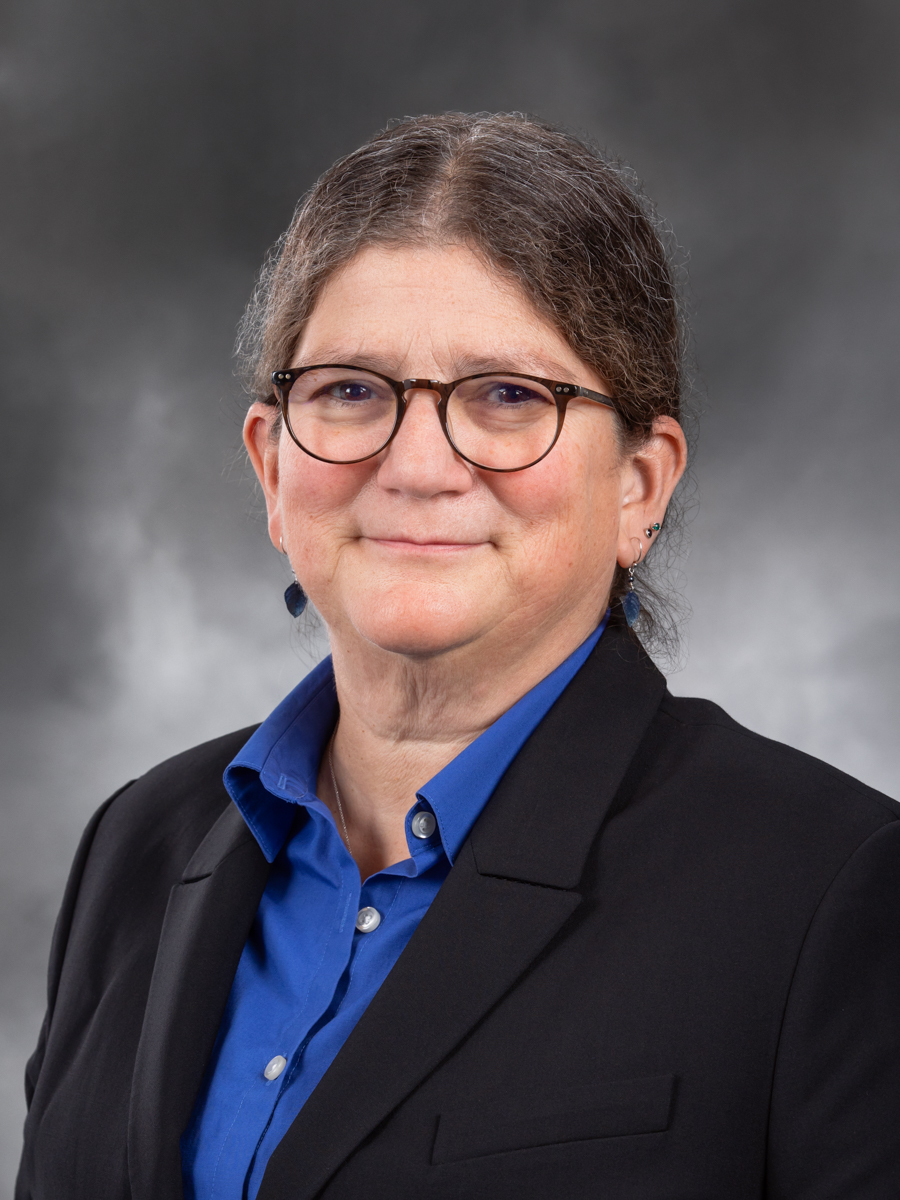
Rep. Lisa Parshley
Sponsored bills
Maddy summaryHB 2095 creates new legal protections for vulnerable road users (pedestrians, cyclists, etc.) in designated areas like sidewalks, crosswalks, and bike lanes. It requires law enforcement, prosecutors, and judges to complete training on negligent driving involving these users by 2027-2028. The bill establishes a legal presumption of negligence when a vulnerable user is injured or killed in a designated area, shifting the burden to vehicle operators to prove they weren't negligent. Plaintiffs can recover actual damages, $1,500 in statutory damages, and attorney fees, with punitive damages possible for repeat offenders.
Maddy summaryHB 2133 makes permanent a property tax exemption for multipurpose senior citizen centers that was originally established temporarily in 2017. The bill modifies state law to ensure these centers no longer lose their tax exemption after the temporary period ends, directly affecting qualifying senior centers that provide community services. This change removes the temporary nature of the exemption created under Chapter 301, Laws of 2017, ensuring ongoing tax relief for these facilities.
Maddy summaryHB 1175 requires cities in Washington to permit neighborhood stores (like mini-markets selling food, drinks, or household items) and neighborhood cafés (with at least 500 square feet) in residential zones, provided cafés serve food if they offer alcohol. Cities may still regulate parking (if feasible), operating hours (cafés must operate at least 12 consecutive hours), and maximum building size. The bill applies to all cities and code cities, mandating implementation by 2027 for cities updating comprehensive plans or within two years for others. It directly affects small business owners seeking to operate in residential areas and local governments managing zoning rules.
Maddy summaryThis bill updates the specific duties that various types of medical assistants, including certified, hemodialysis, phlebotomist, and registered medical assistants, are authorized to perform in Washington state. It details a range of tasks from fundamental procedures like sterilizing equipment and taking vital signs, to more advanced clinical duties such as performing venipuncture, administering certain medications, and assisting with minor office surgeries. The legislation also specifies limitations on these duties, such as restrictions on administering experimental drugs, and outlines supervision requirements by a healthcare practitioner for tasks like establishing intravenous lines or treating syphilis via telemedicine. By defining these roles, the bill impacts medical assistants and the healthcare practitioners who delegate and supervise their work.
Maddy summaryHouse Bill 1923, known as the "Mosquito Fleet Act," aims to increase the availability of passenger-only ferry services in Washington state. The bill expands the types of local governmental entities, such as counties, port districts, and public transportation benefit areas, that can establish passenger-only ferry service districts. These districts would be empowered to establish, finance, and operate passenger-only ferry services, including purchasing or leasing vessels and dock facilities. Before providing service, each district must develop an investment plan detailing proposed services, projected costs, and funding sources, ultimately impacting residents who rely on ferry transportation.
Maddy summaryWashington State's HJM 4004 is a joint memorial requesting Congress to amend the Marine Mammal Protection Act. It asks for expanded authority allowing state and tribal managers to use adaptive management tools - including lethal removal of sea lions - to protect endangered salmon stocks across all Washington marine waters and Puget Sound, beyond the current limited Columbia River authorization. The memorial cites a 2022 study showing pinniped populations contribute to salmon declines and a 2018 law that successfully reduced sea lion predation on the Columbia River. This request seeks to extend similar flexibility statewide for salmon recovery efforts. (Procedural memorial; not a bill with binding effect.)
Maddy summaryHB 1742 creates a state Center for Sustainable Urban Design within the Department of Ecology to advance environmentally sustainable urban planning and architecture in Washington's cities. The center will coordinate design competitions (like one for a fire-damaged former beverage manufacturing site near the Capitol), award grants for projects reducing pollution (e.g., stormwater runoff, urban heat islands), and promote practices like green building and biophilic design. It directly affects first-class cities and urban developers by providing resources and policy guidance for projects meeting specific environmental and health criteria. The center must prioritize projects demonstrating measurable benefits, such as improved air quality, biodiversity, and reduced energy use, through competitive grant and design processes.
Maddy summaryHB 1574 expands "Good Samaritan" protections for individuals seeking or experiencing medical assistance during a drug-related overdose. The bill prevents these individuals from being arrested, charged, or prosecuted for drug possession if the evidence was obtained due to the overdose. It also protects them from civil forfeiture of property (with exceptions) and penalties for certain violations, such as probation or restraining orders, if these were discovered as a result of the overdose. Furthermore, it clarifies that these overdose protections can override mandatory arrest requirements for other offenses when the evidence is linked to the overdose and the need for medical assistance.
Maddy summaryHB 2073 requires nonprofit health insurance carriers in Washington State to contribute a portion of their excessive surplus to a state fund that supports health insurance premium assistance for residents. Specifically, carriers must report their surplus by July 1, 2026, and if their surplus exceeds 600% of required risk-based capital (RBC), they must pay 3% of the excess amount to the state health care affordability account by October 1, 2026. This fund will administer premium assistance programs under existing law to help residents afford health insurance. The law applies directly to nonprofit health carriers operating in Washington and takes effect January 1, 2026.