

Maddy summaryHB 1086 makes it a crime to operate or aid in operating a chop shop (where stolen vehicles are dismantled or disguised for resale). It establishes new penalties: a class B felony for a first offense (up to 10 years in prison) and a class A felony for repeat offenses (up to 10 years for a second offense). The law requires convicted individuals to pay restitution to vehicle owners or insurers for financial losses, environmental cleanup costs, and other related expenses. It also allows law enforcement to seize and forfeit vehicles, tools, or equipment used in chop shop operations, while excluding licensed wreckers who unknowingly process stolen vehicles in good faith.
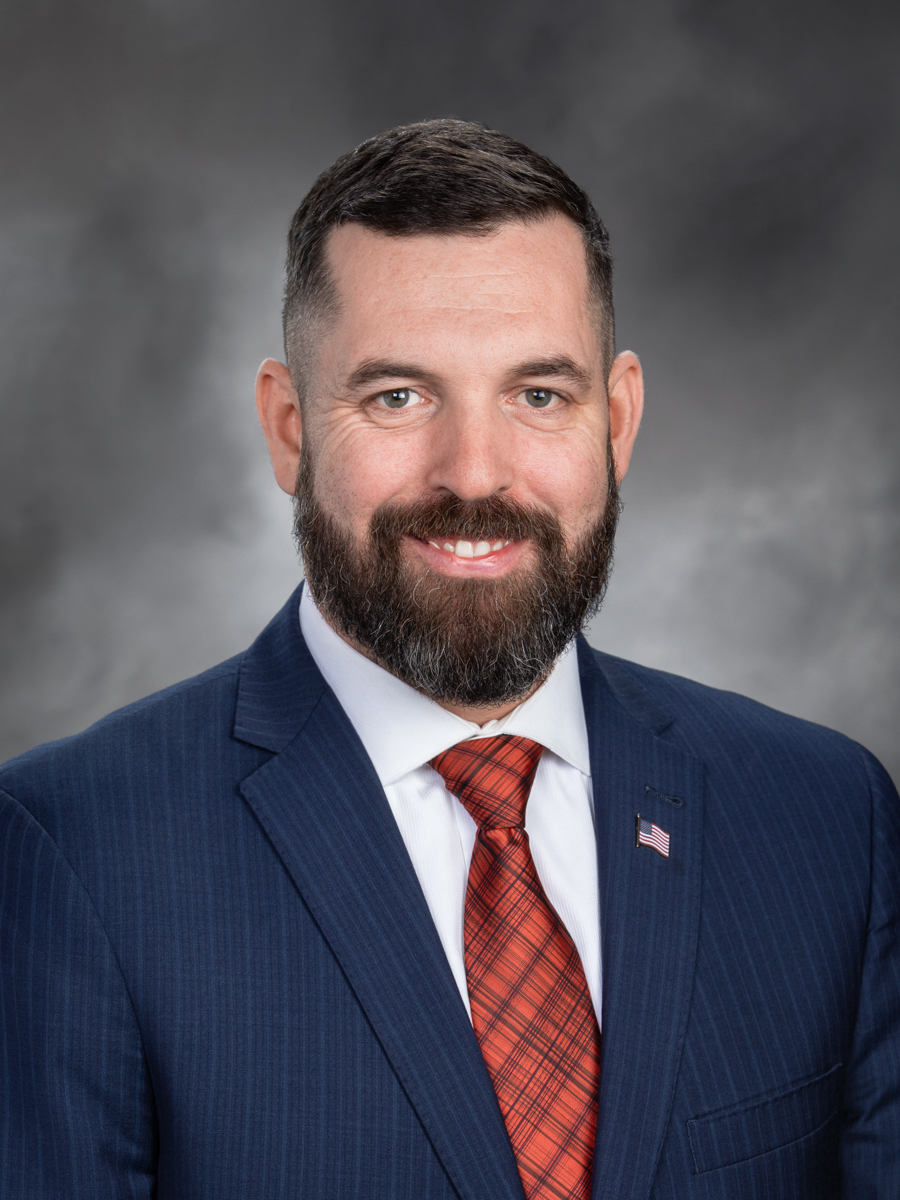
Rep. Matt Marshall
Sponsored bills
Maddy summaryHB 1782 updates campaign finance reporting deadlines for candidates, political committees, and incidental committees in Washington State. It shortens pre-election reporting windows (from 21 to 20 days and 7 to 6 days before elections), requires monthly reports only when contributions or expenditures exceed $200, and mandates weekly deposit reports on Mondays during the final month before elections. The bill also tightens bookkeeping requirements, requiring current records within 5 business days (1 day during the 10 days before elections) and public inspection access during specified hours. These changes directly affect campaign treasurers and committees managing election finances, aiming to improve transparency through more frequent reporting.
Maddy summaryHB 1336 allows utility consumers (end-users of electricity, water, or gas) to refuse replacement of their existing analog meters with digital meters or request removal of installed digital meters. It requires utilities to replace digital meters with analog ones at no cost to the consumer within 10-30 days, depending on health concerns, and mandates 90 days' written notice before installation. The bill also requires utilities to maintain records of consumer requests and responses for three years. It applies to all electric, gas, and water utilities in Washington, including both investor-owned and consumer-owned providers.
Maddy summaryHB 1354 amends Washington state law to explicitly include temporary legislative session employees under the public employees' benefits board insurance programs. It clarifies that "employee" definitions now cover these temporary staff members (e.g., aides or support personnel hired specifically for legislative sessions), ensuring they receive the same health insurance benefits as other state employees. The bill makes this change through targeted amendments to existing statutes (RCW 41.05.011 and 41.05.065), without creating new benefits or altering coverage terms. This is a procedural clarification affecting only temporary legislative staff, not elected officials or permanent employees.
Maddy summaryHB 1055 directs a study to evaluate whether creating an independent Washington Office of Transparency Ombuds would improve public record access. The study will compare Washington’s public records laws with other states (including Pennsylvania’s system), assess potential benefits like reduced litigation costs and easier access, and recommend duties for such an office. The findings must be reported to the legislature by December 2026, but the bill itself does not create the office or change existing laws.
Maddy summaryHB 1340 would exempt most prepared food from Washington's sales tax, directly affecting restaurants, food trucks, and businesses selling meals prepared for immediate consumption. The bill defines "prepared food" as food sold heated, with utensils provided (like plates or cutlery), or mixed by the seller (excluding simple cuts or raw ingredients needing home cooking). It excludes soft drinks, bottled water, dietary supplements, alcoholic beverages, tobacco, and cannabis from the exemption. This change would reduce sales tax for qualifying food items sold by businesses meeting the defined criteria, but not for packaged snacks, drinks, or other excluded products.
Maddy summaryHB 1781 updates Washington's campaign finance enforcement rules by clarifying procedures for the Public Disclosure Commission when handling complaints. It requires the commission to use a scoring system (without considering political affiliation) to determine penalty waivers for first-time violations and impose escalating penalties for repeat offenses, with a $10,000 maximum penalty per violation. The bill mandates that investigations lead to a hearing within 90 days, allows the commission to refer complex cases to the attorney general for larger penalties, and establishes a process for resolving minor technical corrections. This directly affects the commission's enforcement actions and political committees, candidates, and organizations subject to campaign finance disclosure laws.
Maddy summaryHB 1832 aims to improve student performance in Washington state by focusing on evidence-based literacy and math instruction, primarily affecting public schools, students in grades K-4, and educators. It mandates schools to implement science-based reading programs by 2027-28 (emphasizing phonics, fluency, and comprehension), prohibits guessing-word methods, and requires hiring reading coaches in elementary schools. The bill allocates $250 per eligible student (adjusted for inflation) to school districts for targeted support, calculated based on the percentage of students not meeting grade-level standards in math and English language arts. Additionally, it updates teacher training standards to align with the science of reading and requires the superintendent to monitor school compliance with new literacy requirements.
Maddy summaryThis bill proposes a constitutional amendment requiring the Washington State Senate to confirm the governor's appointments to vacant Supreme Court seats. Currently, the governor appoints justices to fill vacancies without Senate approval; this change would add a confirmation step for all such appointments. The amendment would modify Article IV, Section 3 of the state constitution to state that appointments "shall be subject to confirmation by the senate as provided by statute." It directly affects the governor (who makes appointments), the Senate (which must confirm), and the process for filling Supreme Court vacancies. The change would take effect if approved by voters at the next general election.
Maddy summaryHB 1176 allows 17-year-olds in Washington to consent to specific health services without parental permission. It expands existing rights for minors aged 17 and older to seek treatment for sexually transmitted infections/HIV, mental health care, and substance use disorders without parental consent. Healthcare facilities must notify parents in most cases but may withhold notification if they believe it would harm the minor, while still checking missing persons databases. The bill directly affects 17-year-olds seeking these services and requires healthcare providers to follow new consent and notification procedures.