

Maddy summaryHB 1851 prohibits public colleges and universities in Washington from using state funds or tuition/fee revenue to repair property damaged during demonstrations, riots, or other disruptive activities that disrupt campus operations. The bill applies directly to public higher education institutions that permit such events causing property destruction. Key provisions require institutions to cover repair costs themselves using non-state, non-tuition funds, rather than relying on public or student-generated revenue. This policy change specifically targets funding sources for repairs, without restricting protest activities themselves.
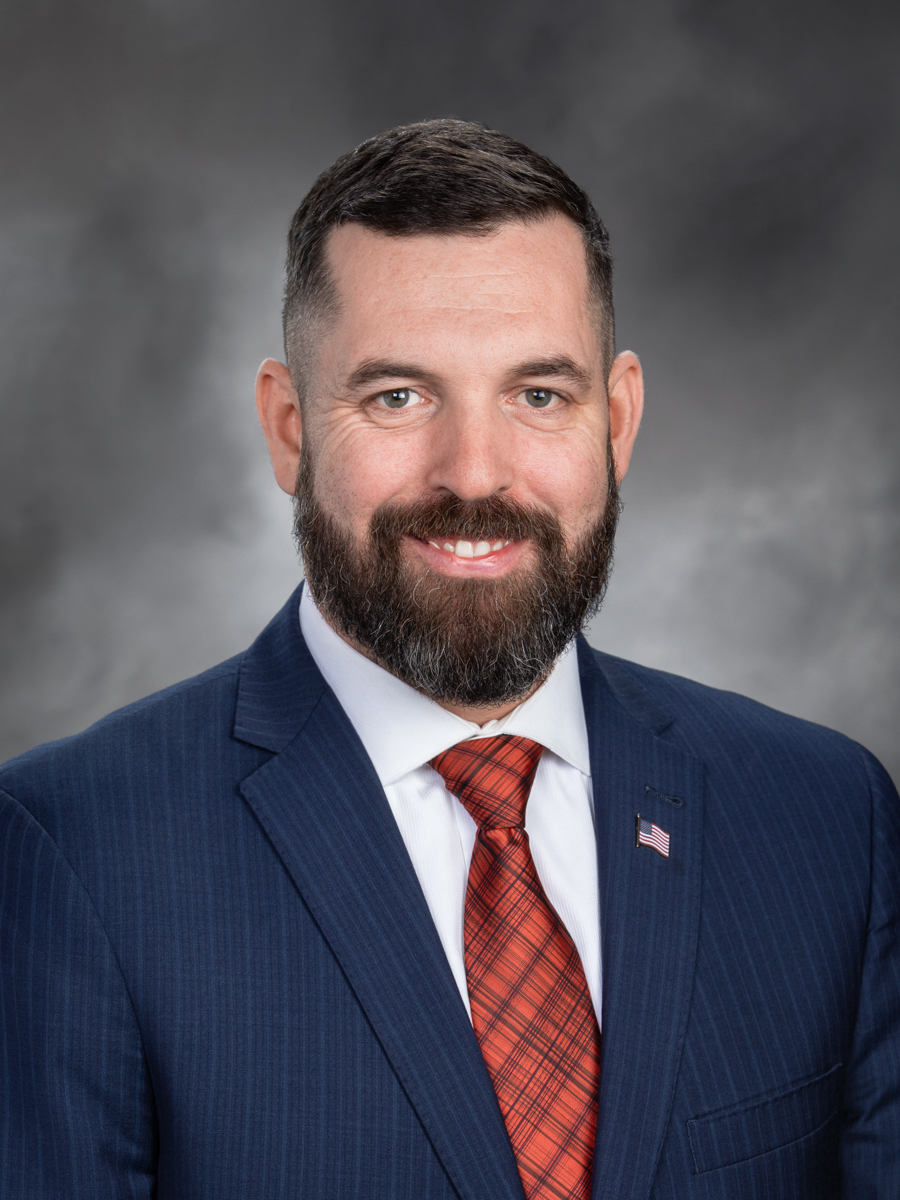
Rep. Matt Marshall
Sponsored bills
Maddy summaryHB 1586 modifies Washington's joint administrative rules review committee structure and expands how agency rules can be reviewed. It requires the committee to hold quarterly meetings and specifies its composition (four senators, four representatives, max two per party). The bill creates two new review pathways: (1) allowing petitions for review of emergency rules or rules lacking adequate public input (e.g., insufficient testimony time or short hearing notice), and (2) enabling legislators to request review of any rule filed under state rulemaking rules or emergency rules adopted in the past five years. These changes directly affect state agencies creating rules and the legislative committee responsible for oversight.
Maddy summaryHB 1708 requires Washington cities and counties to use a new state-provided dashboard tool to publicly report specific data on homelessness efforts. The dashboard must display annual metrics including housing unit gaps (needed vs. permitted), spending on housing assistance, households served, addiction treatment access, crime rates near encampments, and encampment locations - especially near schools. The Department of Commerce will contract for the application, and the Municipal Research Center will compile the data for public posting on its website. This policy directly affects all local governments by mandating standardized reporting on homelessness programs, not by providing new funding or services.
Maddy summaryHB 1802 makes it a crime to intentionally obstruct law enforcement officers or other first responders (like firefighters, EMTs, or emergency dispatchers) while they are performing their duties. The bill specifically prohibits: (1) hindering or delaying officers/responders in their work, or (2) approaching within 25 feet after being verbally warned not to, if the person intends to interfere, threaten, or harass them. It defines "first responder" broadly to include emergency medical personnel, firefighters, and others, and clarifies that people intervening to help an officer in immediate danger are exempt. Violating this law is a gross misdemeanor, punishable by up to 364 days in jail or a fine.
Maddy summaryHB 1584 would end automatic mail-in voting for nonabsentee voters (those not absent from their county, such as most registered voters) in Washington, requiring them to vote in person at polling places or voting centers on election day. The bill maintains limited absentee voting for voters who are absent (e.g., military personnel or overseas citizens) but removes mail-in ballots as the default option for all registered voters. It aims to address ballot security concerns and restore public trust in elections, as stated in the legislature’s findings. The bill amends multiple election laws to implement these changes, including updating voting definitions and ensuring accessibility for voters with disabilities at in-person locations.
Maddy summaryHB 1324 redirects revenues from Washington's Climate Commitment Act (CCA) auction system to fund major state transportation projects, including the I-5 Columbia River bridge replacement and the US 395 North Spokane corridor. The bill amends existing law to require that CCA auction proceeds - previously restricted from road projects - be allocated specifically to highway and bridge infrastructure, rather than solely to climate or environmental programs. Key provisions mandate that funds support projects improving freight movement (like the Gateway freight project) and reducing congestion, which the bill states contributes to lower greenhouse gas emissions. This reallocation changes how CCA revenue is spent but does not alter the underlying auction system or funding amounts.
Maddy summaryHB 1993 exempts child care providers in Washington from paying the 0.484% business and occupation tax on income from caring for children under 13 or under 19 with verified special needs (as defined by state law). The bill modifies tax code to remove this tax for providers primarily operating child care services for short-term care (under 24 hours), applying until January 1, 2035. This directly affects licensed child care centers, home-based providers, and family child care homes serving eligible children. The key provision eliminates a specific tax burden on these providers’ gross proceeds, without changing other tax obligations.
Maddy summaryHB 1911 creates a new special license plate option titled "Washington state honey bees and pollinators" (plate #36) for Washington vehicle owners. This plate, costing $40 for initial registration and $30 annually, would join existing special plates like "Washington apples" and "Seattle Mariners" in the state's license plate program. The bill amends state code to add this plate type and specifies that fees support pollinator research and education efforts. It does not create new funding or policy changes beyond the plate designation and associated fees.
Maddy summaryHB 1959 proposes eliminating Washington State's Office of Equity and repealing eight related laws (RCW 43.06D.010 through 43.06D.901) to save taxpayers $19.5 million annually. The bill directly affects the state budget and the Office of Equity, which was established in 2020 to address equity issues across state agencies. Key provisions include removing the office’s legal foundation, its director appointment process, reporting requirements, and related diversity initiatives within the Washington State Patrol. The legislature states this action aligns with prioritizing funding for "safe streets, excellent schools, and infrastructure" while reducing the tax burden. The bill does not prevent the office from operating as a nonprofit but removes its state-funded structure.
Maddy summaryHB 2029 prohibits Washington state governmental entities (including courts, the legislature, and agencies) from granting or recognizing legal personhood to non-human entities. The bill specifically bans this for artificial intelligence, inanimate objects, bodies of water, land, real property, atmospheric gases, astronomical objects, weather, plants, nonhuman animals, and other non-human taxonomic groups. Legal personhood - defined as the rights and obligations of a natural person under state law - is explicitly barred from being extended to these categories. This bill directly affects how state agencies and courts may legally treat non-human entities, preventing them from being granted personhood status. The law takes effect immediately upon enactment.