

Maddy summaryHB 1746 adjusts how Washington state provides supplemental funding to public schools based on local property tax levies. It calculates state assistance by comparing a school district's actual levy rate (per $1,000 assessed value) to a $1.50 threshold, with full funding for districts meeting or exceeding that rate. The bill extends this formula to tribal schools (starting 2022) and charter schools (starting 2025), capping per-student assistance at $2,000 (adjusted for inflation) based on prior-year levy data. This funding is separate from the state's basic education program and directly affects school districts, tribal education compact schools, and charter schools that rely on local levies.
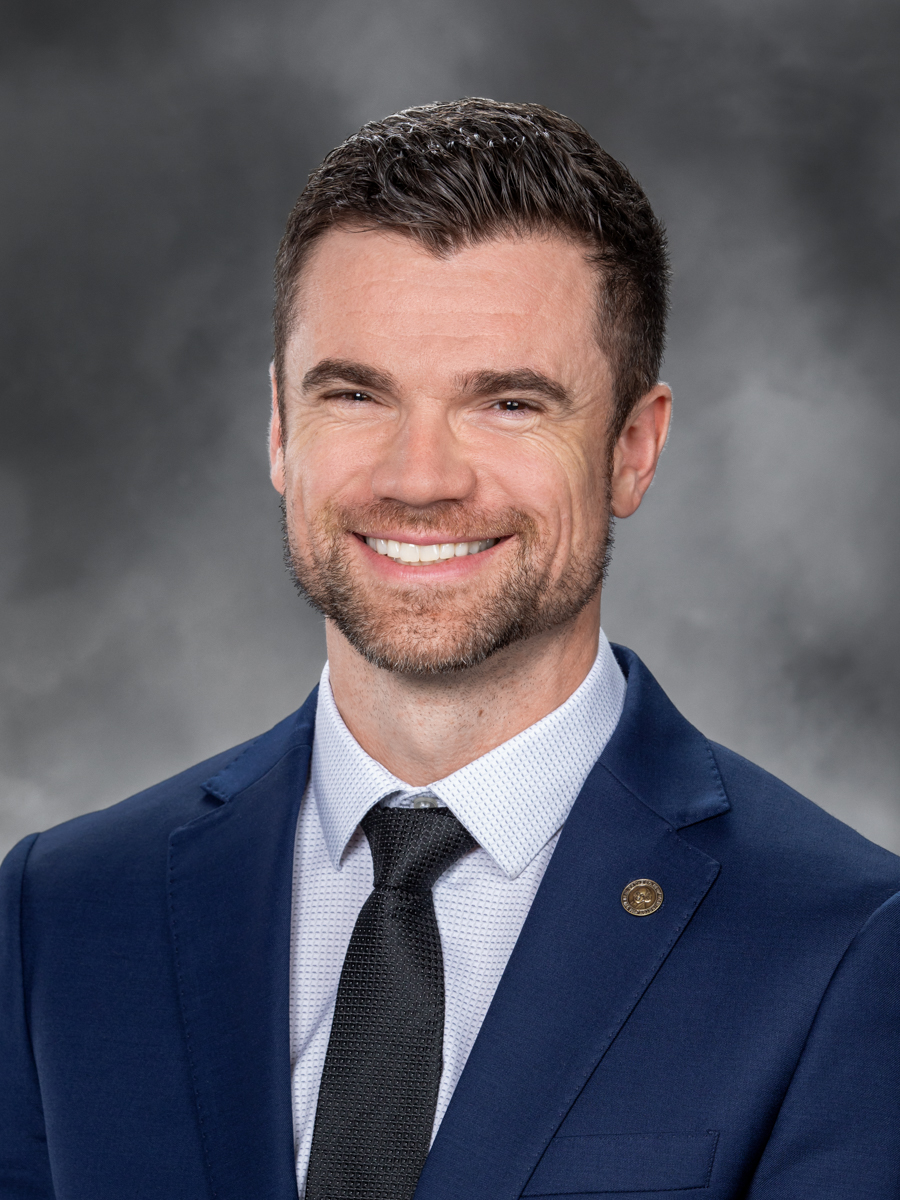
Rep. Skyler Rude
Sponsored bills
Maddy summaryHB 1751 exempts required course materials (like textbooks and digital resources) from Washington state sales and use taxes for students enrolled at public colleges and universities. It requires students to show valid enrollment proof at approved vendors (campus bookstores or institution-designated online sellers) to qualify for the exemption. Public institutions must inform students about this tax break via their websites and course syllabi. The bill directly affects all students at Washington’s public higher education institutions by reducing out-of-pocket costs for essential learning materials, which the legislature notes are increasingly unaffordable (65% of students skip buying textbooks due to cost).
Maddy summaryHB 1624 directs Washington's Department of Revenue to study the state's current alcohol tax and fee system, focusing on taxes based on sales price, volume, or alcohol content. The study will analyze tax types, historical rates, 25 years of sales and revenue data (by product category), and comparisons with other states and countries on taxation methods. The report must be submitted to the legislature by December 31, 2025, and does not change existing tax policies. This study affects state agencies (Department of Revenue and Liquor Board) responsible for data collection and reporting.
Maddy summaryHB 1452 increases penalties for motor vehicle and retail theft in Washington. It creates new felony charges for "organized retail theft" (starting at $750 in stolen goods across multiple stores or with multiple accomplices) and adds a $50,000 fine for thefts exceeding $20,000. Drivers who flee police while suspected of vehicle theft face harsher penalties, including a more severe felony charge. The bill also directs funding for specialized prosecutors in counties with high theft rates to address these crimes.
Maddy summaryHB 1830 requires schools, educational organizations, and their contractors to conduct fingerprint-based background checks through Washington State Patrol and FBI systems for employees and volunteers with regularly scheduled unsupervised access to children under 18 or people with developmental disabilities. This applies to volunteers working with small groups (5 or fewer children under 12, 3 or fewer aged 12-18, or individuals with developmental disabilities) without supervision from staff or guardians. Existing background checks conducted within the previous two years may be used instead of new checks, and costs include state/federal fees plus administrative charges. The bill specifies the process for conducting checks, limits database access, and outlines disqualification notification procedures.
Maddy summaryHB 1450 establishes a new state "transition to kindergarten" program in Washington for 4-year-olds who need additional preparation for kindergarten or live in areas with severe child care access shortages ("extreme child care access deserts"). It directs the Office of Superintendent of Public Instruction (OSPI) to create rules for public schools to operate the program, prioritizing regions with child care deserts and limiting approved sites to ensure equitable access. The program ensures participating children aren't counted toward basic education funding, requires schools to collaborate with local child care providers, and mandates enrollment rules including need-based screening and regional needs assessments. This policy aims to strengthen coordination between public schools and early learning systems while minimizing disruption to existing child care services.
Maddy summaryHB 1365 creates a state rental assistance program for low-income tenants in manufactured/mobile home parks who are over 55 and facing rent increases exceeding inflation. The program provides monthly assistance of up to $200 or 50% of their lot rent (whichever is lower), administered by the Department of Commerce. Tenants must reapply annually and report income or rent changes, with eligibility based on household income under 80% of local median income. The program is funded by a $2 million appropriation for fiscal year 2026, separate from existing relocation funds.
Maddy summaryHB 1225 requires Washington state agencies to prioritize essential services (like public safety, education, and healthcare) over non-essential spending when creating budgets. It mandates detailed budget documents showing how every dollar will be spent, including performance metrics for programs, and places limits on state spending and revenue proposals to prevent budget deficits. The bill directly affects state agencies and the legislature by amending budget submission rules (RCW 43.88.030 and 43.88.055) to enforce fiscal accountability and ensure taxpayer funds directly support priority services.
Maddy summaryHB 1108 proposed establishing a legislative task force on housing cost driver analysis in Washington state. This task force would have included legislators, economists, and representatives from various housing sectors, such as developers, landlords, tenants, realtors, and city/county officials. Its main purpose was to research and identify the primary factors contributing to the cost of homeownership and rental housing. The task force was intended to report its findings and recommendations to the legislature by December 1, 2026. However, the Governor vetoed this bill on May 20, 2025.
Maddy summaryHouse Bill 1587 encourages local governments, including municipalities, counties, and federally recognized Indian tribes, to establish their own "promise scholarship programs" for Washington students. These local programs will operate within the existing Washington state opportunity scholarship program, which will administer the scholarships, but local governments can set their own student eligibility rules and determine which educational programs to support. The scholarships aim to cover tuition and fees not met by other state aid, with local governments having the option to provide additional funds for expenses like books. The bill also authorizes state matching funds, up to $300,000 per local program annually, to support these efforts and expand access to postsecondary education.