

Maddy summaryHB 1925 creates a state-funded program to expand secondary education pathways in natural resource and conservation careers for Washington students aged 14-17. The bill requires the Superintendent of Public Instruction to select a qualified nonprofit partner to run a 90+ hour summer or after-school program combining classroom learning with work-integrated experiences at community sites. Participants earn high school credits, potential college dual credits, or industry-recognized credentials while learning through state standards, including environmental curriculum and natural resource competencies. The program prioritizes historically marginalized youth and schools in disadvantaged communities, aiming to connect students with family-wage careers in fields like forest management, restoration ecology, and renewable energy.
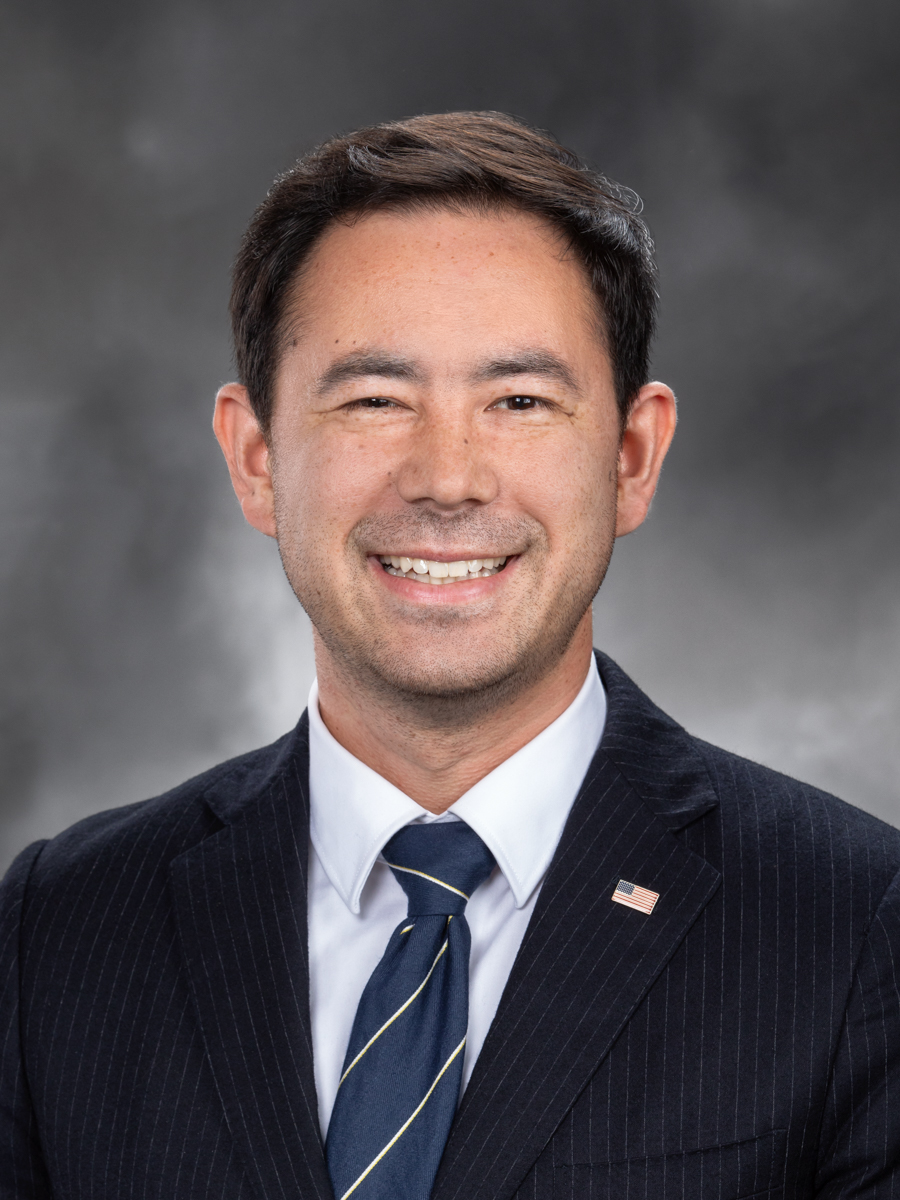
Rep. Clyde Shavers
Sponsored bills
Maddy summaryHB 1049 creates a state-funded stipend program to help registered nurses cover costs for training as specialized sexual assault nurse examiners (SANEs). The program reimburses up to $2,500 per nurse for training fees, materials, travel, lodging, and meals. It applies to nurses seeking certification for adult/adolescent or pediatric care, subject to available state funding. The stipend aims to increase the number of qualified SANEs by reducing financial barriers to training.
Maddy summaryHB 1148 exempts goods and services provided by qualifying nonprofit youth athletic facilities from Washington State's sales and use tax, effective January 1, 2026. The bill applies specifically to facilities primarily hosting competitive sports for youth under 18, operated by 501(c)(3) nonprofit organizations. This change aims to reduce costs for families and support facility accessibility, particularly in underserved communities. The exemption covers both sales transactions and the use of purchased goods/services at these facilities.
Maddy summaryHB 1144 increases the number of superior court judges in Skagit County from four to five by amending state law. This change directly affects Skagit County's judicial system, aiming to improve court capacity and reduce case backlogs. The bill includes a key provision requiring specific funding for this increase to be included in the 2025 omnibus appropriations act by June 30, 2025, or the bill becomes void. If funded, it would allow Skagit County to hire an additional judge to handle its caseload.
Maddy summaryHB 1378 in Washington state modifies penalties for attempting to elude police vehicles and resisting arrest. It allows law enforcement to impound vehicles used in a first offense and, for repeat offenders (if the operator had a prior vehicle impoundment for eluding), to seize and forfeit the vehicle after a conviction. The law requires law enforcement to notify owners and provide a hearing before forfeiture, with proceeds from selling forfeited vehicles funding traffic safety programs and enforcement related to eluding police. This applies directly to drivers convicted of repeated eluding offenses using a vehicle.
Maddy summaryHB 1771 updates Washington’s State Universal Communications Services Program to expand broadband access and maintain essential telecommunications services. It provides funding (up to $5 million annually) for eligible small providers (serving under 20,000 access lines) to upgrade infrastructure in areas below state broadband goals, maintain emergency 911 systems, and ensure battery backup for emergency access during power outages. The bill requires participating providers to commit to offering basic voice and broadband services under regulated rates while prohibiting funds from overbuilding federally funded areas. It expires July 1, 2027, and amends definitions and program rules across multiple state codes.
Maddy summaryHB 1374 reduces Washington State's general sales and use tax rate from 6.5% to 6% for most retail transactions, effective October 1, 2025. It directly affects consumers and businesses selling tangible goods, digital products, and most services that were previously taxed at 6.5%. The bill amends RCW 82.08.020 to lower the standard rate, while maintaining separate taxes for car rentals (5.9%) and motor vehicles (0.3%). The change applies to all retail sales covered under the current tax code, excluding specific exemptions like farm vehicles and off-road equipment.
Maddy summaryHB 1744 makes it a crime to steal, alter, or fraudulently use gift cards by explicitly defining them as "access devices" under Washington's theft and fraud laws. It expands criminal penalties for obtaining gift cards through deception, such as altering barcodes or stealing unused cards from retail locations. The bill directly affects individuals who commit gift card theft or fraud, including those who take unused cards from stores or manipulate them to access funds. Key provisions clarify that "obtaining control" of a gift card through deception - like falsely claiming ownership - constitutes a violation. This law strengthens existing theft statutes to specifically address gift card-related criminal activity.
Maddy summaryHB 1335 adds "military spouse status" to Washington's anti-discrimination law, making it illegal for employers to discriminate against military spouses in hiring, firing, or employment conditions. The bill explicitly includes military spouses as a protected class under existing laws that prohibit discrimination based on race, gender, disability, and other factors. It amends Washington’s civil rights statute (RCW 49.60) to guarantee military spouses the right to "obtain and hold employment without discrimination" and provides legal recourse for violations. This change directly affects military spouses in Washington and all employers covered by the state’s anti-discrimination law.
Maddy summaryHB 1043 extends the state's commute trip reduction tax credit program for employers and property managers until 2035. This program allows eligible entities to claim a tax credit for providing financial incentives to employees who use alternative commuting methods like ride-sharing, public transportation, car-sharing, or non-motorized transport. The bill changes the credit calculation so that the full amount paid to or on behalf of an employee, up to $60 per employee annually, can be credited (previously 50%). It also reduces the maximum credit a single entity can claim per fiscal year from $100,000 to $50,000.