

Maddy summaryHB 1595 establishes a 16-member advisory committee to develop a five-year statewide economic development plan, directly affecting Washington state government and economic sectors. The committee must include diverse representation from communities, industries (like tech, agriculture, and tourism), state agencies, and commissions focused on minority and women's business development. Key mechanisms require the committee to hold public meetings, provide input on plan priorities, and submit the first proposal with recommended legislation by November 2025, with updates every five years. The plan must include measurable goals and policy recommendations to guide state economic strategy.
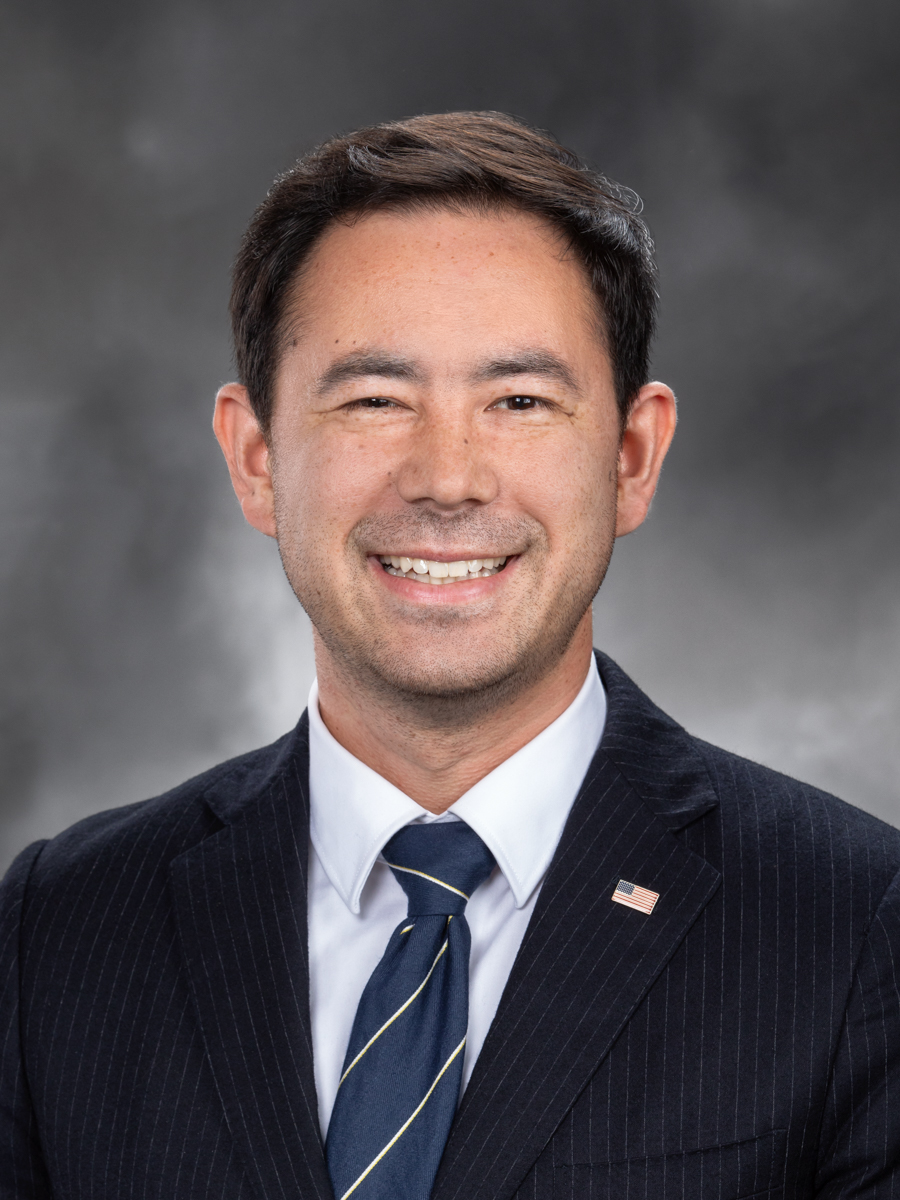
Rep. Clyde Shavers
Sponsored bills
Maddy summaryHB 1020 creates a structured system to help students aged 16-21 who are not on track to graduate high school reengage with education. It requires school districts to partner with community colleges, educational service districts, or community-based organizations to provide programs offering academic instruction (including free college courses at community colleges), career counseling, and case management. These programs must generate high school credits toward diplomas or equivalency certificates and address barriers to success. The bill defines "eligible students" as those under 21 not accumulating sufficient credits or recommended by social services/juvenile justice systems. It directs the state education office to develop rules with input from colleges and community organizations.
Maddy summaryHB 1627 requires health insurance plans in Washington State (effective January 1, 2026) to allow enrollees to access annual or multiyear covered services up to one month early, while maintaining the same cost-sharing as if the service occurred after the full interval. It directly affects health plan enrollees and health carriers offering medical, dental, or vision plans. Key provisions mandate that for services typically required annually, enrollees may obtain them at least one month before the 12-month mark, and for biennial or longer services, one month before the scheduled frequency, with identical cost-sharing applied. This changes coverage timing without altering service eligibility or cost structures.
Maddy summaryHB 1338 revises Washington state's formula for distributing basic education funding to school districts. It establishes specific per-pupil funding levels based on "prototypical" school models (e.g., 600 students for high schools, 432 for middle schools, 400 for elementary schools), setting minimum class size requirements (like 17 students per teacher in K-3) and staff ratios for roles including teachers, librarians, paraeducators, and support staff. The bill mandates transparency by requiring the superintendent to publish per-pupil funding data online and school districts to link to it on their websites. This directly affects all public school districts in Washington, determining how state funds are allocated for core instructional programs and operational costs.
Maddy summaryHB 1737 ensures federally approved apprenticeship programs operated by federally recognized tribal governments in Washington state have the same rights and responsibilities as state-approved programs. It amends state law to define "registered apprentice" and "skilled journeyperson" to include tribal programs that meet federal approval standards. The bill requires contractors working at high-hazard facilities like petroleum refineries and petrochemical plants to use a "skilled and trained workforce" made up of registered apprentices or skilled journeypersons from approved programs, including tribal ones. This directly affects tribal governments operating apprenticeship programs and contractors in critical industries, ensuring equitable access to these workforce standards.
Maddy summaryHB 1381 requires counties in Washington with significant language minority populations to provide election materials (like registration forms, ballots, and instructions) in both English and the designated language(s) of those groups. A county qualifies as "covered" if census data shows at least 2.5% of voting-age residents in a single language group have limited English proficiency and higher illiteracy rates than the national average, or if it contains an Indian reservation meeting similar thresholds. The secretary of state will designate these language groups annually using census data, and counties have one year to comply after designation, with a grant program to support implementation. The bill takes effect only if funding is secured by June 30, 2025, and does not replace existing language assistance requirements under state law.
Maddy summaryHB 1136 establishes a program placing financial aid specialists in Washington high schools to help students complete the free application for federal student aid (FAFSA) and Washington state financial aid forms. The specialists will target schools in educational service districts with the lowest FAFSA completion rates, especially those serving high percentages of low-income students (eligible for free/reduced lunch). Using data from the Student Achievement Council, they will provide direct support to students and families, including outreach at school events and through peer networks. The program requires annual reports tracking application completion rates and enrollment impacts, aiming to reduce barriers like perceived costs that prevent students from pursuing postsecondary education.
Maddy summaryThis bill creates a standardized "portable orders for life-sustaining treatment" form that Washington residents can use to document their end-of-life care preferences, allowing the form to be recognized across all healthcare settings in the state. It establishes a statewide registry for these forms, requires healthcare providers to review them annually with patients, and provides legal immunity for providers who follow the documented preferences in good faith. The law directly affects residents making advance care decisions and healthcare providers (including doctors, nurses, EMTs, and hospitals) who must follow these orders. Key provisions include an opt-out option for registry submission, rules for verbal confirmation of forms, and protections against liability for providers acting in accordance with the documented preferences.
Maddy summaryHB 1626 expands financial assistance for small school districts and small businesses in Washington state that participate in the paid family and medical leave insurance program. It provides two types of grants: up to $3,000 for hiring temporary workers during an employee’s 7+ day leave, or up to $1,000 to cover extra payroll costs from an employee’s leave. Eligible employers include small school districts (classified as "second class"), businesses with 51-150 employees, and those with 50 or fewer employees who pay all insurance premiums. Grants require documentation of the leave-related costs and are limited to 10 per year per employer, with a three-year premium assessment for businesses under 50 employees that receive a grant.
Maddy summaryHB 1047 exempts fire districts in rural counties from paying state sales and use taxes on equipment purchases. It applies to fire districts with populations under 10,000, defined as "rural counties" under existing law, and covers firefighting, emergency medical, and fire prevention equipment. To qualify, districts must apply for a certificate of exemption from the state department, which will publish an annual list of eligible districts. The exemption takes effect October 1, 2025, for all qualifying purchases and uses after that date.