

Maddy summaryHB 2434 requires all Washington hospitals with emergency departments to maintain a supply of rabies medication for postexposure prophylaxis starting January 1, 2027. This ensures patients can receive the first dose immediately upon arrival after a potential rabies exposure, as medically needed. Hospitals must also arrange for all subsequent doses required to complete the full treatment course, either by keeping additional stock on-site or establishing timely access to the medication. The bill directly affects hospitals operating emergency departments across Washington State.
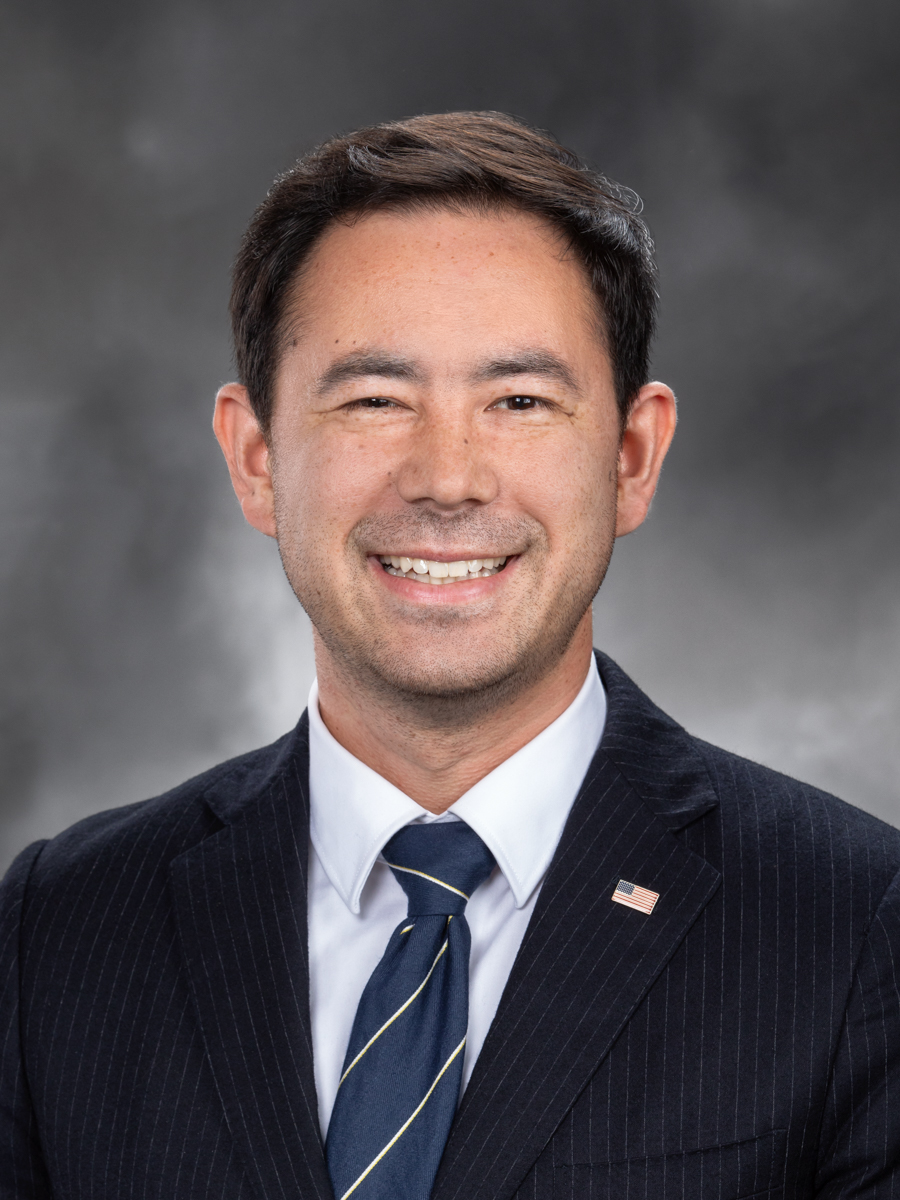
Rep. Clyde Shavers
Sponsored bills
Maddy summaryHB 2398 creates a tax credit for Washington small businesses (50 or fewer employees) that provide maritime trade educational assistance to employees working aboard or servicing U.S. flagged vessels. The credit covers 100% of eligible training costs - such as tuition, tools, and maritime certification programs - up to $20,000 per business annually, with unused credits carryable for five years. It applies to both business and occupation taxes (Chapter 82.04 RCW) and public utility taxes (Chapter 82.16 RCW), excluding overlapping credits. The credit expires for claiming on January 1, 2038, and the law ends January 1, 2039. Eligible employees must be enrolled in Washington maritime training programs supporting careers like commercial fishing, marine engineering, or vessel operations.
Maddy summaryHB 2290 exempts schools and school districts in Washington State from paying retail sales and use taxes on purchases and property use. It directly affects public and private K-12 schools, educational institutions, and programs providing instruction to students through grade 12, regardless of their specific designation. The bill removes sales tax (RCW 82.08.020) from all purchases made by these entities and eliminates use tax obligations (RCW 82.12) for their personal property. This policy change simplifies tax compliance for schools and reduces their operational costs by excluding their purchases from state tax calculations.
Maddy summaryThis bill creates supplemental funding for school districts that have extra costs transporting homeless students (per federal McKinney-Vento law) and foster youth (per federal Every Student Succeeds Act) beyond what's already covered by other funding sources. Districts must report verified excess costs and specific services creating those costs to qualify. Funding covers only the documented excess transportation expenses for eligible students, with awards limited to specific time periods (semester or school year) and not exceeding the state's annual appropriation. Charter schools and tribal education compact schools are explicitly included as eligible recipients.
Maddy summaryHB 2368 requires Washington's state department to develop a quantum technology strategy by June 2026, focusing on economic growth and workforce development in this emerging field. The strategy must outline plans to attract investment, identify public-private partnerships, support research at universities and labs, and explore quantum applications in areas like energy and healthcare. It directs the department to seek nonstate funding and partnerships to accelerate the industry, with the plan expiring August 1, 2027. The bill directly affects state agencies and future economic planning, not individual citizens or businesses.
Maddy summaryHB 2147 increases state funding for school materials, supplies, and operating costs in Washington State to address inflation-driven budget shortfalls affecting school districts. It establishes a new funding formula based on prototypical schools (600 high school students, 432 middle school students, 400 elementary students) with specific class size standards (e.g., K-3 at 17 students per teacher) and minimum staffing allocations. The bill requires transparency by mandating the Superintendent of Public Instruction to publish per-pupil funding reports online, which school districts must link to their websites. It also includes targeted provisions for career-technical education, lab science class size reduction, and high-poverty schools with over 50% free/reduced lunch eligibility. The legislation amends existing law (RCW 28A.150.260) to adjust funding allocations based on actual student enrollment and school type.
Maddy summaryHB 2163 amends Washington state law to require counties and cities to adopt specific standards for public defense services, directly affecting local jurisdictions that provide legal representation to indigent defendants. The bill mandates that these standards include clear case load limits for attorneys, compensation details, attorney qualifications, handling of expert witness fees, and procedures for monitoring and evaluating service quality. It removes previous language requiring local standards to follow Washington State Bar Association guidelines, instead making those guidelines optional references. The law aims to clarify minimum requirements for public defense systems while allowing jurisdictions to align with court rules where possible.
Maddy summaryHB 2126 would exempt school districts in Washington state from paying taxes on fuel used in school buses. The bill amends state tax codes to specifically add school buses (operated per education laws) to the list of exempt fuel uses, directly affecting public school districts. This change would reduce operating costs for schools by eliminating a tax on fuel for all school bus operations within the state.
Maddy summaryHB 1642 allows specific retirement system members who were never given a choice between two plan options to transfer to plan 2. It applies to teachers who joined Teachers' Retirement System plans 2/3 between 1996-2007, school employees who joined School Employees' Retirement System plans 2/3 between 2000-2007, and public employees starting after 2025 (effective January 2026). Members must make an irrevocable January transfer choice for future service, but retirees cannot transfer. The legislature reserves the right to modify this provision.
Maddy summaryHB 1129 requires most group health plans in Washington to cover fertility preservation services starting January 2026 and infertility diagnosis/treatment starting January 2027. It mandates coverage for two egg retrieval procedures with unlimited embryo transfers (per medical guidelines), prohibits different cost-sharing for fertility services compared to other pregnancy care, and ensures coverage extends to spouses and nonspouse dependents equally. The bill directly affects health insurers and enrollees seeking fertility care, including LGBTQ+ individuals and racial/ethnic minorities who face coverage disparities. Key provisions include banning restrictions on fertility medications and eliminating separate deductibles or waiting periods for these services.