

Maddy summaryHB 2286 creates an alternative pathway to social worker licensure in Washington for applicants seeking a Licensed Independent Clinical Social Worker (LICSW) license. It allows candidates to fulfill the standard 3,000-hour supervised experience requirement through "enhanced supervision" instead of passing the typical exam, provided they receive an attestation of competence from an approved supervisor. This change directly affects social work professionals completing their supervised experience, particularly those who may face barriers to taking the standard exam. The bill modifies existing licensing rules to specify that enhanced supervision must include at least 1,000 hours of direct client contact and detailed supervision requirements, including 100 hours of direct supervision by a qualified mental health practitioner.
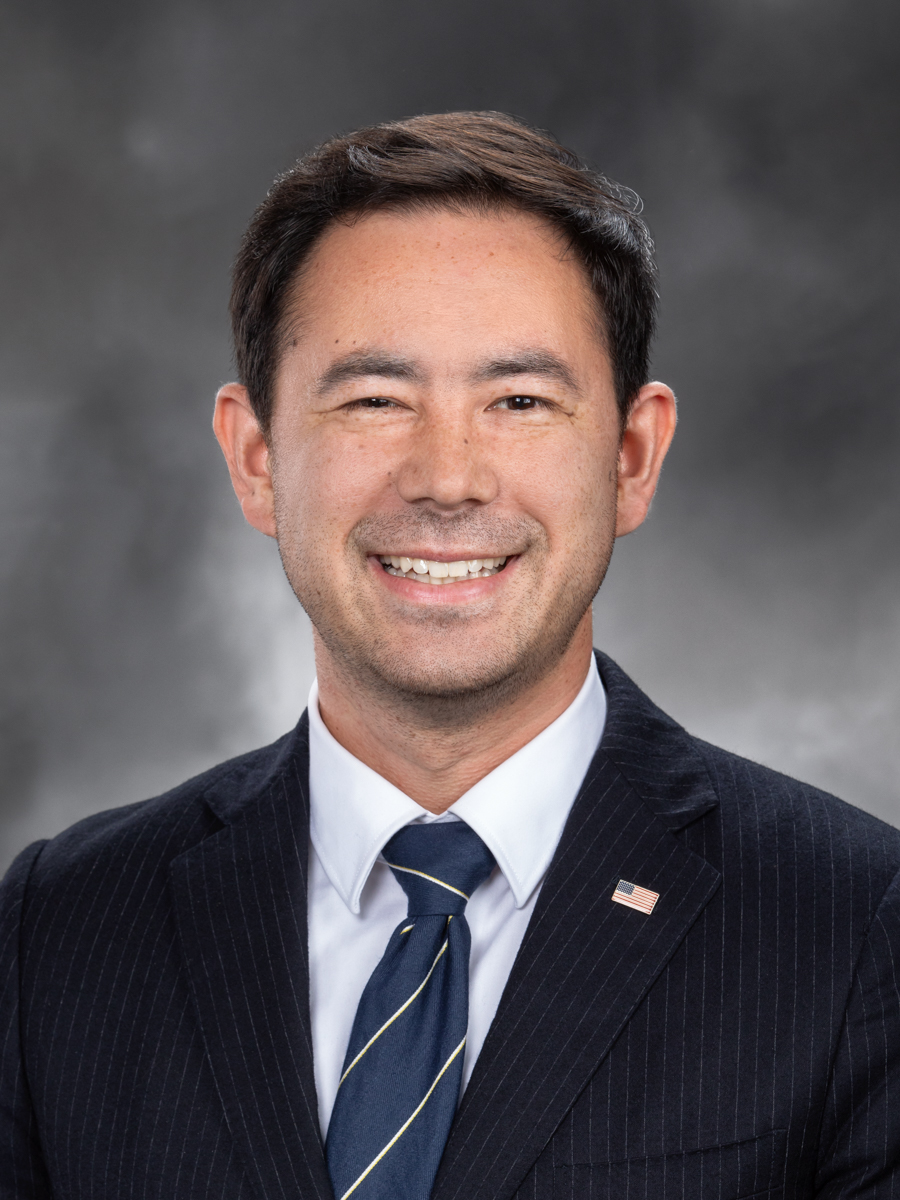
Rep. Clyde Shavers
Sponsored bills
Maddy summaryHB 2099 expands Washington State's early childhood education and childcare assistance program to include military-connected children who don't qualify under standard eligibility rules. It creates a new pathway for children from military families (active duty, reserves, or National Guard members stationed or residing in Washington) with family incomes above 50% but below the maximum for Working Connections childcare, as long as space and funding are available. The bill requires prioritization of these children using the same existing risk-factor system that considers income, child welfare involvement, domestic violence, and other factors linked to school readiness. This new category does not count toward the state's existing entitlement program, and the changes expire on August 1, 2030.
Maddy summaryHB 1812 prohibits health insurers in Washington from imposing time limits or arbitrary caps on reimbursement for anesthesia services, regardless of procedure duration or patient health status. It requires insurers to cover all medically necessary anesthesia care without denying coverage based on factors like patient age (e.g., infants or seniors), emergency status, or severe illnesses. The bill mandates reimbursement be based solely on a provider’s assessment of medical necessity, not preset time limits, and prohibits insurers from discriminating against anesthesiologists or nurse anesthetists. Violations can trigger enforcement actions by the Insurance Commissioner, including fines, required reimbursement for denied claims, and license suspension. This directly affects patients receiving anesthesia (especially vulnerable groups), providers, and health insurers operating in Washington.
Maddy summaryHB 2667 requires businesses deploying "high-risk" AI systems (those making consequential decisions like hiring, loans, housing, or healthcare access) to protect consumers from algorithmic discrimination starting July 1, 2027. It mandates annual reviews of these systems to prevent unfair outcomes and establishes a rebuttable presumption of reasonable care if deployers comply with the law. The bill defines key terms like "algorithmic discrimination" and "consequential decision" to clarify which AI uses are regulated. This directly affects companies operating in Washington that use AI for high-stakes consumer decisions, aiming to balance innovation with consumer protection.
Maddy summaryHB 2122 requires Washington hospitals to offer annual flu vaccinations to two specific patient groups: adults 65 or older, and any patient (regardless of age) with a chronic health condition. This applies each year from October 1 to March 1, beginning July 1, 2027, unless the vaccine is unavailable at the hospital or the immunization is medically unsafe for the patient. Hospitals are exempt during declared state emergencies or disasters, and critical access hospitals certified under federal law are also excluded. The law focuses on expanding access to flu shots for high-risk patients during peak flu season through a straightforward hospital offering requirement.
Maddy summaryHB 2618 ensures audiologists in Washington can independently decide whether to provide care via telehealth (like video calls) or in-person, without facing different regulatory standards for each method. It directly affects licensed audiologists who fit and dispense hearing instruments by requiring the state board to establish consistent care standards across all service modalities. The bill amends licensing rules to explicitly prohibit regulations that undermine clinical judgment, mandating that any standards for hearing care apply equally whether delivered remotely or in person. This change prevents new rules from forcing audiologists to follow separate protocols for telehealth versus in-person visits. The bill focuses on preserving professional decision-making authority within existing regulatory frameworks.
Maddy summaryHB 2638 creates a property tax exemption for surviving spouses or domestic partners of Washington state or local officers and firefighters who died from duty-related injuries or diseases. The exemption applies to the primary residence of qualifying survivors, reducing or eliminating property taxes based on their combined income level (with three income thresholds). Survivors with the lowest income are exempt from all property taxes, while those with higher incomes receive partial exemptions on a portion of their home's value. This policy change directly affects eligible surviving family members by easing their property tax burden, as outlined in new provisions to Washington's property tax code.
Maddy summaryHB 2582 modifies civil service rules for city and town fire departments in Washington State based on department size. For departments with fewer than six firefighters (including the chief), all full-time employees must be covered by civil service rules. For larger departments (six or more firefighters), cities/towns may exempt the fire chief from civil service, and may also exempt up to 2-10 additional positions (like assistant chief or administrative roles) based on department size, as specified in a table. All exemptions require approval from the fire chief, mayor/city administrator, and the civil service commission, with safeguards for current employees in affected roles. The bill directly affects local fire departments and their hiring/promotion processes.
Maddy summaryHB 1828 authorizes certified medical assistants with an EMT credential (medical assistant-EMT) to work at source plasma donation centers as physician substitutes, directly affecting plasma centers and these healthcare professionals. The bill amends Washington law to allow transferability of this specific certification exclusively between hospitals licensed under chapter 70.41 RCW and plasma donation centers (per RCW 18.360.040(4)). It does not change the scope of practice for these medical assistants but enables their use at plasma centers by removing certification transfer barriers. The law applies only to medical assistant-EMT certifications, not other medical assistant roles. Plasma centers can now employ these certified staff for tasks like blood draws under physician supervision, as defined in the bill's scope of practice provisions.
Maddy summaryThis is a ceremonial House resolution (not a policy bill) introduced on January 19, 2026, by multiple Washington State Representatives. It formally recognizes Dr. Martin Luther King Jr.'s life, legacy of nonviolent activism, and contributions to civil rights, including his role in the Civil Rights Act of 1964 and Voting Rights Act of 1965. The resolution expresses the House's commitment to upholding Dr. King's ideals of equality, justice, and opportunity for all. As a symbolic gesture, it does not create new laws, allocate funds, or affect any specific individuals or groups.