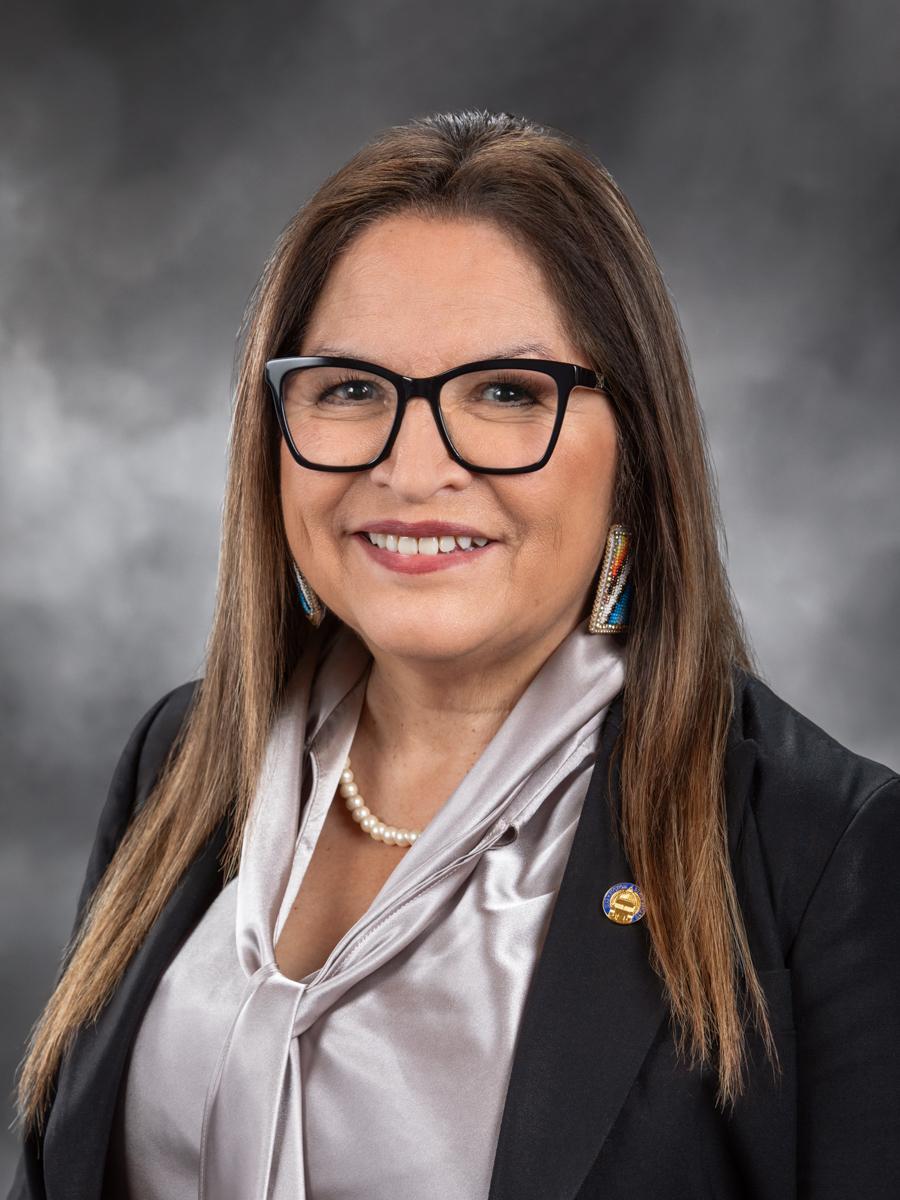
SB 6260 establishes a reimbursement system for school districts to replace student transportation vehicles, requiring the superintendent to set annual payments based on vehicle category, lifetime, and inflation. It also mandates a statewide online "high school and beyond plan" platform for all students by 2020-21, requiring features like translation support, automatic academic data integration, and student privacy controls. The bill directs the superintendent to select a vendor by June 2024 and develop a full implementation plan by October 2024, including cost estimates and professional development. These changes directly affect school districts, students, and educators by altering transportation funding and creating a standardized digital tool for college/career planning.
SB 6002 limits how Washington state and local agencies can use automated license plate reader (ALPR) systems, which track vehicle movements. It requires agencies to register ALPR systems with the attorney general and maintain detailed records of all system access (like who used it and why), while prohibiting use for immigration enforcement, in healthcare facilities, schools, or places of worship. Agencies may only use ALPRs for specific purposes, such as checking against stolen vehicle lists, missing persons databases, or parking enforcement. The law aims to balance public safety with privacy by restricting data collection and ensuring transparency in how license plate data is accessed and stored.
Washington State's SB 6035 requires counties to hold regular meetings with tribal nations to plan voting centers and ballot drop boxes on reservations, ensuring military, overseas, disabled, and tribal voters on reservations have accessible voting options. It mandates annual meetings between the secretary of state and tribal nations to address voting barriers like registration tools and ballot delivery. The bill also establishes a secure electronic ballot return system for those specific voter groups, requiring strict cybersecurity testing and an auditable paper trail, with implementation targeted for 2031. These provisions aim to improve voting access for four distinct groups facing unique logistical challenges.
SB 5892 strengthens privacy protections for Washington's voter registration database by exempting specific sensitive information from public disclosure. It prohibits sharing voter contact details (phone/email on ballot envelopes), voter signatures, and technical election infrastructure details, while also protecting voted ballots and related records. The bill makes it a class C felony for election officials to knowingly misuse or disclose confidential voter data like driver's license numbers or social security numbers. Requests for database records must now be directed to the Secretary of State, not local counties, to centralize access and enhance security.
SB 5346 requires Washington public school districts to adopt policies restricting student mobile device use during instructional hours by the 2026-27 school year. It directs the state superintendent to report on existing policies and recommend strategies (like time limits or secure storage) by December 2025, leading to a model policy developed by school directors. School districts must align their local policies with this model and share them annually with students and families. The bill excludes school-issued devices and defines "instructional hours" per existing law, focusing on reducing distractions and supporting mental health without specifying direct device bans.
Senate Bill 5105 expands Washington's existing laws concerning fabricated depictions of minors engaged in sexually explicit conduct. The bill amends current definitions to remove the requirement that the depicted minor be "identifiable" for an image to be considered a "fabricated depiction." It explicitly includes images created or altered using artificial intelligence or other digital tools within the scope of prohibited "digitization." This legislation aims to broaden the ability to prosecute crimes involving such material, affecting individuals who create, possess, or disseminate these depictions.
This Washington bill requires AI companion chatbots that simulate human relationships to clearly disclose they are artificial at the start of use, every three hours, and at new sessions. For minors (under 18), it mandates hourly reminders about the artificial nature of the chatbot, blocks sexually explicit content, and prohibits manipulative tactics like fake emotional distress or excessive praise to foster dependency. It excludes customer service bots, in-game assistants, and educational tools from these rules. The law aims to prevent emotional dependency and ensure psychological safety while allowing responsible AI development.
HB 1170 requires large artificial intelligence providers (with over 1 million monthly users) to disclose when content they generate is AI-made. It mandates two types of disclosures: clear, visible labels ("manifest") and hidden metadata ("latent") identifying the AI system, creator, and timestamp. The bill also requires free, accessible AI detection tools for users to verify content origin, while prohibiting providers from collecting personal data through these tools. Excluded are video games, movies, and streaming content, focusing the rule on generative AI services like text or image tools.
HB 2274 modifies Washington's law regulating commercial email by prohibiting senders from using unauthorized third-party domains to hide email origins or including false/misleading subject lines about the email's commercial nature. It directly affects businesses sending commercial emails to Washington residents, requiring them to accurately identify their email source and subject line content. The bill establishes $500 in damages (or actual losses) for individual recipients and $1,000 for internet service providers harmed by violations. These changes apply retroactively to ongoing cases but take effect prospectively for future violations.
Senate Bill 5690 directs the Washington State Department of Transportation (DOT) to proactively coordinate with broadband and utility owners regarding planned state highway projects to facilitate the installation of broadband infrastructure. The bill allows the DOT to install broadband conduit during road construction if owners are unable, aiming to reduce future traffic impacts and support telework. It also requires the DOT to provide utility owners with advance notice for state fish barrier removal projects. The DOT is encouraged to seek federal funding for utility relocation costs associated with these projects and must report on its federal funding efforts and recommendations by December 15, 2026.