Issue · Healthcare

Healthcare

Every healthcare bill, vote, and legislator stance in Washington, automatically classified by Maddy, our AI policy reader.

Total bills
582
119th Congress
Top supporter
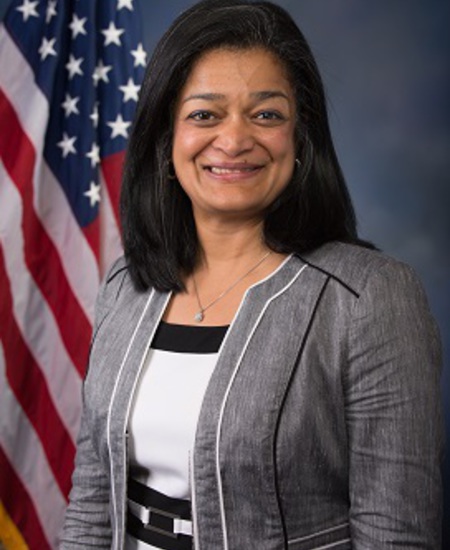
Pramila Jayapal
67% support rate
Top opponent
Michael Baumgartner
39% support rate
Ranked legislators
7
5 support · 2 oppose
Key legislators

Who's moving healthcare in Washington

Legislators moving healthcare in Washington
Legislator Party Stance Support rate Votes
Pramila Jayapal
Pramila Jayapal House · District 7
D
Support
67% 190
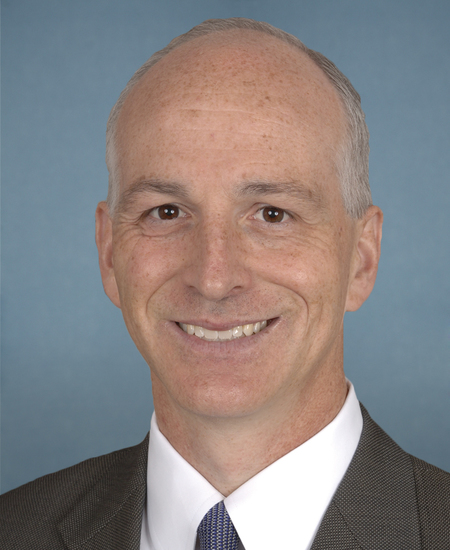
Adam Smith
Adam Smith House · District 9
D
Support
61% 206
Maria Cantwell
Maria Cantwell Senate
D
Mixed
59% 223
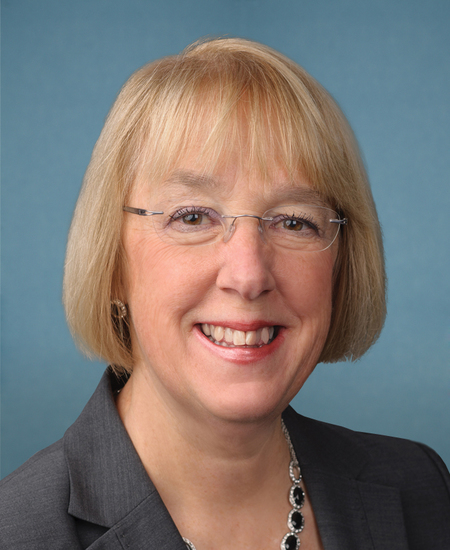
Patty Murray
Patty Murray Senate
D
Mixed
59% 202
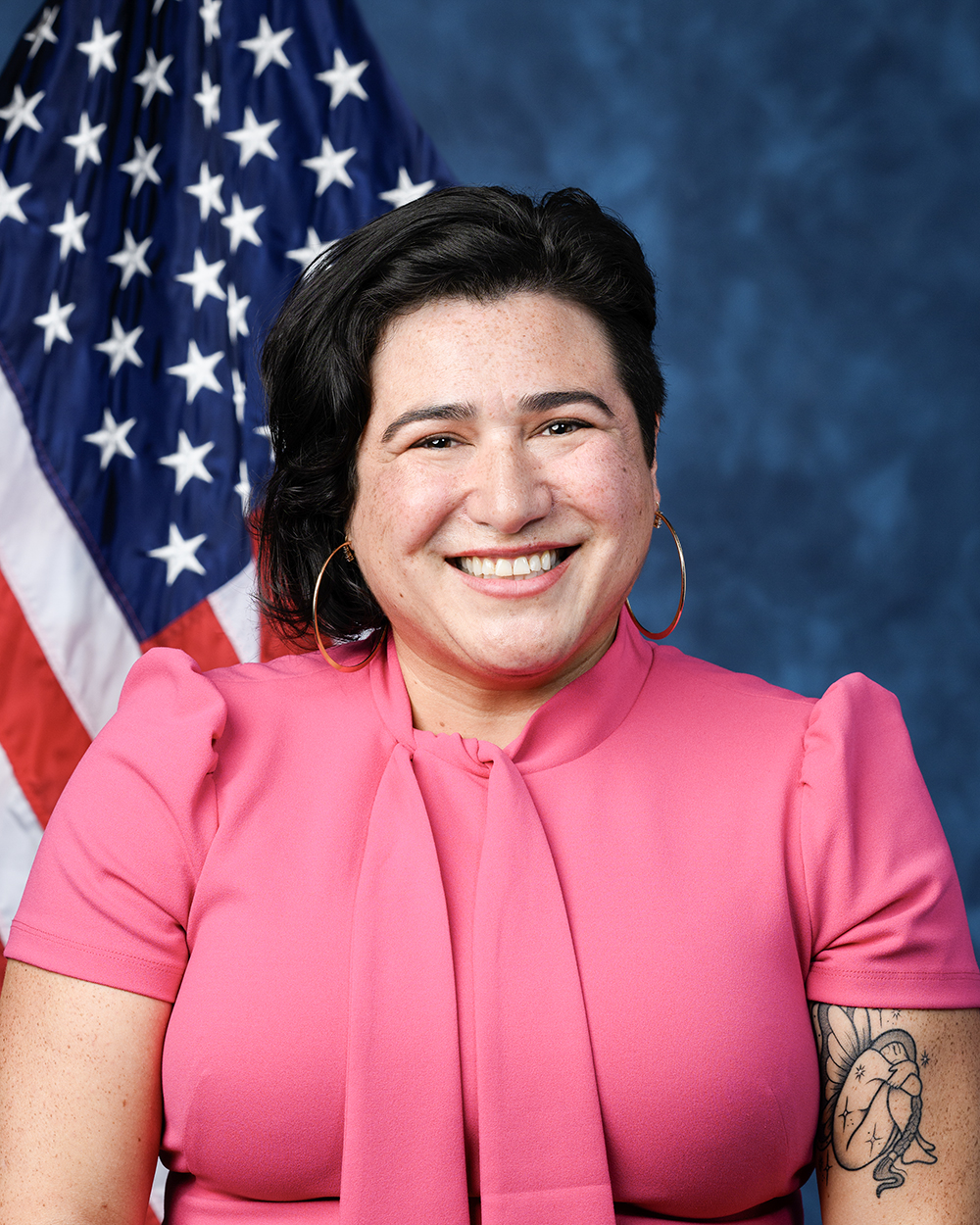
Emily Randall
Emily Randall House · District 6
D
Mixed
59% 206
Michael Baumgartner
Michael Baumgartner House · District 5
R
Oppose
39% 203
Dan Newhouse
Dan Newhouse House · District 4
R
Mixed −
44% 206
Showing 1–10 of 582 bills

All healthcare bills

in committee · United States · House Sep 8, 2026

HRES 1514: Recognizing suicide as a serious public health problem, expressing support for the designation of September 8, 2026, as "988 Day" and the role of the 988 Suicide and Crisis Lifeline, and for other purposes.

This House resolution formally recognizes suicide as a significant public health issue in the United States and highlights the impact of the 988 Suicide and Crisis Lifeline on individuals and communities. It commends the establishment of the 988 number as a nationwide three-digit dialing code for crisis support, noting its role in connecting people to mental health resources. The bill supports the designation of September 8, 2026, as "988 Day" to raise awareness about the service and promote access to mental health care. Additionally, it encourages continued public education and federal, state, and local efforts to expand crisis intervention programs for high-risk populations.
in committee · United States · House Sep 2, 2026

HR 10227: INSULIN Act of 2026

The INSULIN Act of 2026 mandates that group and individual health insurance plans cap out-of-pocket costs for selected insulin products at $35 per 30-day supply, effective for plan years beginning on or after January 1, 2028. This cost limit applies to a variety of insulin types and delivery devices, with the cap set at the lesser of $35 or 25 percent of the negotiated price net of concessions. The bill also prohibits insurers from imposing deductibles or prior authorization requirements for these covered products unless clinically justified for safety reasons. Additionally, the legislation directs the Department of Health and Human Services to fund a resource center and hotline to help uninsured individuals find affordable insulin assistance programs, while requiring the Government Accountability Office to study the demographics of uninsured insulin users. Finally, it creates an expedited review process for biosimilar insulin applications when the Secretary determines there is inadequate competition in the market.
in committee · United States · House Sep 3, 2026

HR 10245: 9–8–8 and 9–1–1 Integration Act

The 9-8-8 and 9-1-1 Integration Act directs the Secretary of Health and Human Services to establish a multidisciplinary panel that will develop recommendations for training and protocols for emergency dispatchers. The primary goal is to ensure that individuals experiencing behavioral health or substance use crises are connected to appropriate care services rather than being met solely by law enforcement. The panel must consider integrating the 9-8-8 crisis line with the 9-1-1 system, utilizing standardized assessment tools to evaluate caller needs, and implementing training on cultural competency and implicit bias. Additionally, the legislation requires the creation of data collection standards to track response outcomes and disparities while protecting caller privacy, with reports submitted to Congress upon the release of recommendations and every five years thereafter.
Sub-Topics Law Enforcement Mental Health Tags Public Safety
in committee · United States · House Jul 27, 2026

HR 9959: Green New Deal for Public Schools Act

The Green New Deal for Public Schools Act directs over $700 billion in federal funding to public schools, prioritizing those serving the most vulnerable communities based on CDC social vulnerability rankings. The legislation establishes a new Office of Sustainable Schools and authorizes grants for "healthy green retrofits" that convert school buildings into zero-carbon facilities with clean air, water, and energy systems, while also providing funds to hire additional educators, mental health professionals, and support staff. Additionally, the bill mandates increased federal funding for special education under the Individuals with Disabilities Education Act and creates a climate resiliency program that allows schools to function as community centers during natural disasters. All grant recipients must adhere to strict labor standards, including prevailing wage requirements, Buy American provisions, and local hiring goals that prioritize residents of the surrounding community.
in committee · United States · House Sep 3, 2026

HR 10295: 9-8-8 Call Center Improvement Act

The 9-8-8 Call Center Improvement Act directs the Secretary of Health and Human Services to provide grants to new or existing crisis call centers that serve regional or local communities. These funds are intended to help centers purchase or upgrade technology, train staff, improve daily operations, and hire additional personnel. The bill authorizes $441 million in appropriations for fiscal year 2027 to support these efforts, with the money remaining available until it is fully spent.
Sub-Topics Mental Health
in committee · United States · House Sep 1, 2026

HR 10210: Doctors Not AI Act of 2026

The Doctors Not AI Act of 2026 prohibits health insurance plans from using artificial intelligence systems to issue or dictate adverse benefit determinations that involve clinical judgment, such as decisions based on medical necessity or treatment appropriateness. Instead, these determinations must be made by a licensed healthcare professional who conducts an independent evaluation of the patient's specific medical circumstances without deferring to AI outputs. The bill requires insurers to disclose in written notices if any AI system was used during the review process and mandates that detailed documentation regarding the AI's role and outputs be maintained as part of the administrative record, available to patients upon request. Additionally, the legislation classifies the use of AI in utilization review as a treatment limitation for parity purposes, ensuring it is evaluated equally across mental health and medical-surgical benefits under existing federal laws.
in committee · United States · House Sep 1, 2026

HR 10209: GREEN Hospitals Act

The GREEN Hospitals Act authorizes $100 billion in Hill-Burton grants for hospitals and other medical facilities to upgrade their infrastructure for climate resilience and emissions reduction. It also establishes a separate $5 billion Planning and Evaluation Grant Program that provides up to $500,000 per project to help states, tribes, and nonprofits develop sustainability plans before construction begins. To receive funding, applicants must demonstrate labor protections, including collective bargaining agreements or non-interference policies, and certify they do not impose training repayment debts on employees. The bill prioritizes projects in environmental justice communities and those serving high numbers of Medicare and Medicaid patients, requiring that at least half of the planning grant funds be directed to these areas.
in committee · United States · House Jul 22, 2026

HR 9832: Medicare Dental Benefit Act of 2026

This bill amends Medicare to cover dental and oral health services for the first time, affecting all current and future Medicare beneficiaries. It defines covered services to include routine cleanings, fillings, extractions, root canals, crowns, dentures, and emergency care. For most individuals, federal payment for these services will gradually increase from 0% to 80% over an eight-year period, while low-income individuals eligible for prescription drug subsidies will receive 80% coverage immediately. The legislation also establishes frequency limits, such as two cleanings and exams per year and a five-year limit on full dentures, and requires the U.S. Preventive Services Task Force to include at least one oral health professional.
in committee · United States · House Sep 3, 2026

HR 10246: 9–8–8 Community Infrastructure Act

The 9-8-8 Community Infrastructure Act authorizes $1 billion in grants for capital projects at health centers and crisis response facilities. Eligible recipients include federally funded health centers, tribal organizations, and specialized non-hospital facilities that provide 24/7 mental health and substance use crisis services. Funds may be used for construction, renovation, expansion, or loan repayment to improve these infrastructure sites. The bill specifically defines eligible crisis facilities as those offering stabilization beds, sliding-scale payment options, and no-wrong-door admission without rejecting patients based on ability to pay or other factors.
in committee · United States · House Sep 2, 2026

HR 10223: End Tuberculosis Now Act of 2026

The End Tuberculosis Now Act of 2026 amends the Foreign Assistance Act to designate ending the global tuberculosis emergency as a major objective of U.S. foreign policy and authorizes the President to provide funding for prevention, diagnosis, and treatment programs worldwide. The bill sets specific targets to be achieved by 2030, including an 80 percent reduction in new infections and a 90 percent reduction in deaths compared to 2015 levels, while also requiring that 30 million individuals receive preventive treatment. Key provisions mandate the use of innovative diagnostic tools, support for drug-resistant TB care, and coordination with private sector partners to develop vaccines and lower treatment costs. The legislation requires annual reports to Congress detailing program progress and expenditures, and it includes a sunset clause that terminates these specific authorities on January 1, 2033.
Showing 1 to 10 of 582 bills
1 2 3 59 Next