Issue · Criminal Justice

Criminal Justice

Every criminal justice bill, vote, and legislator stance in Washington, automatically classified by Maddy, our AI policy reader.

Total bills
366
2025-2026 Regular Session
Top supporter
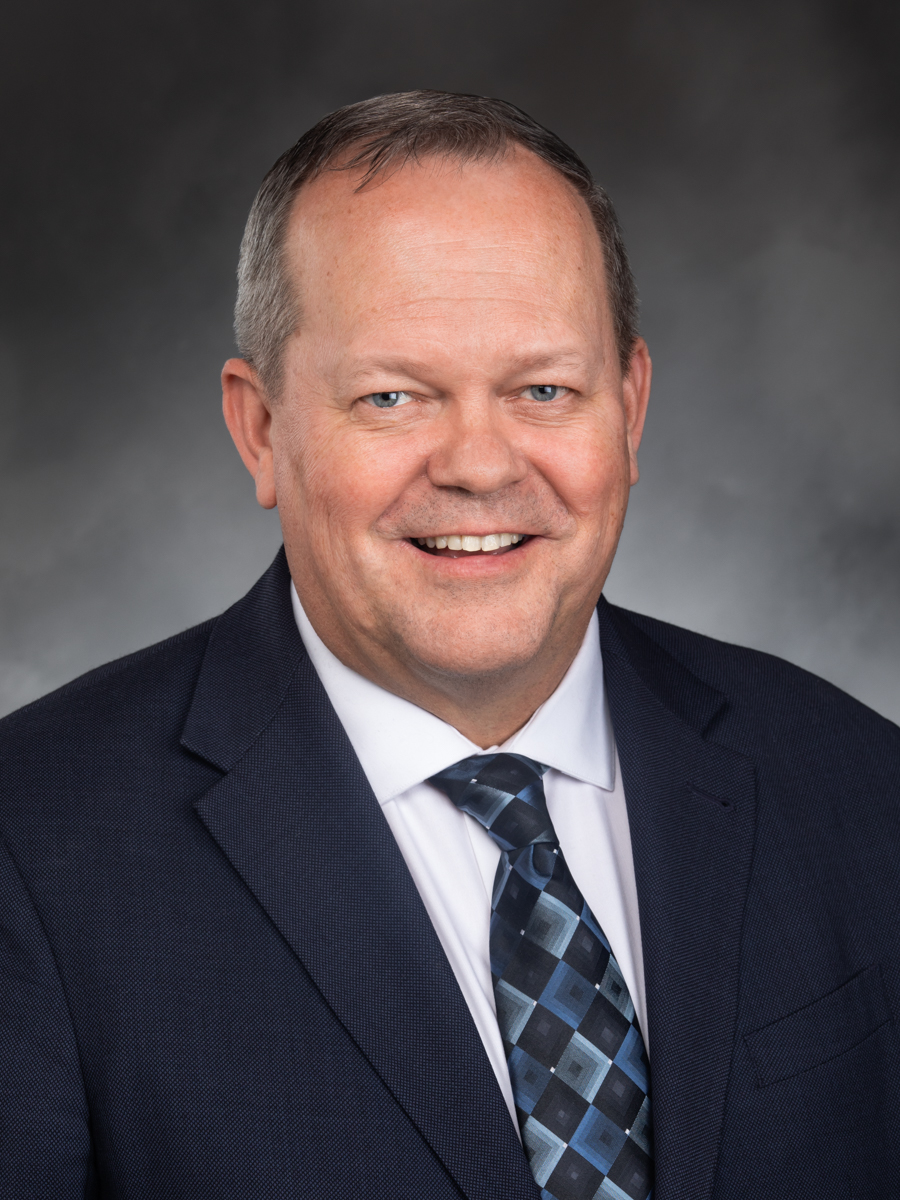
Steve Tharinger
91% support rate
Top opponent
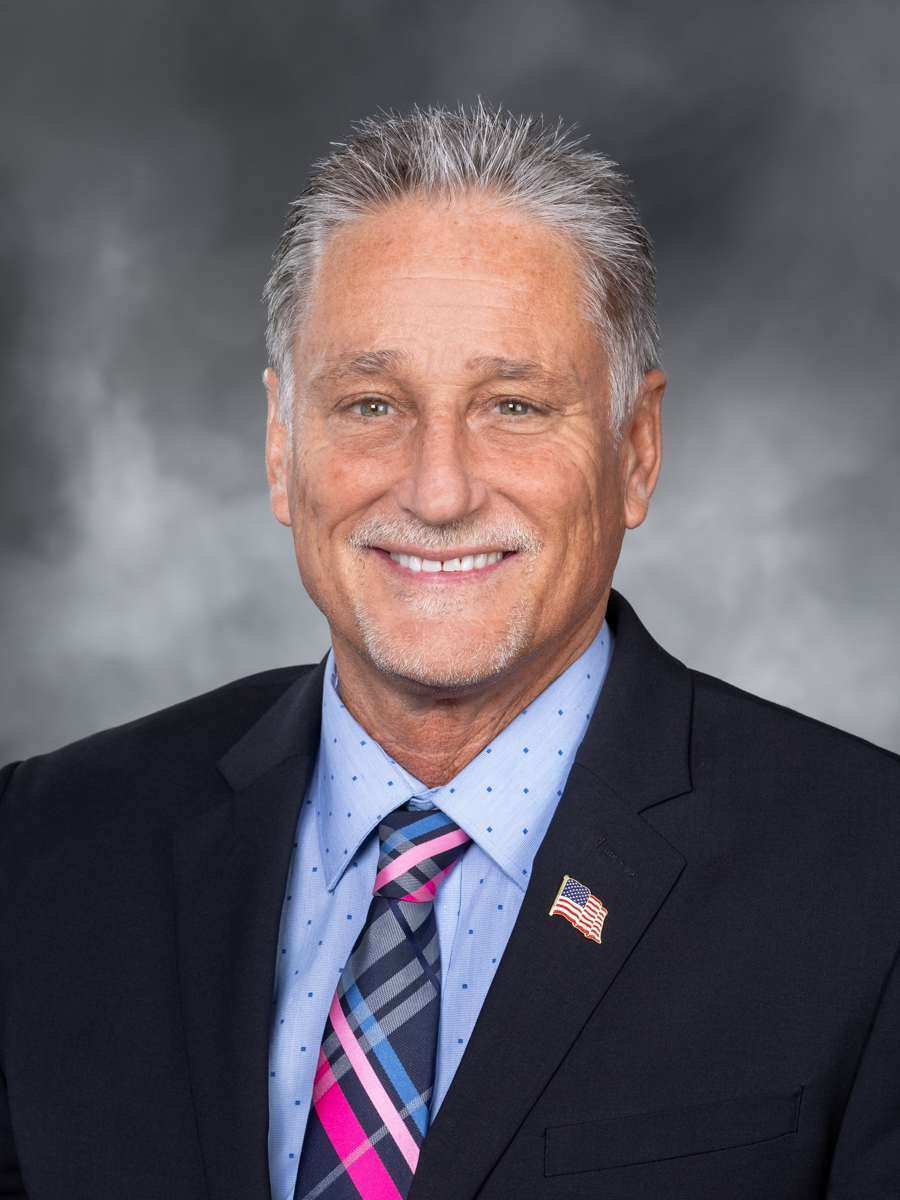
Jim McCune
16% support rate
Ranked legislators
10
5 support · 5 oppose
Key legislators

Who's moving criminal justice in Washington

Legislators moving criminal justice in Washington
Legislator Party Stance Support rate Votes
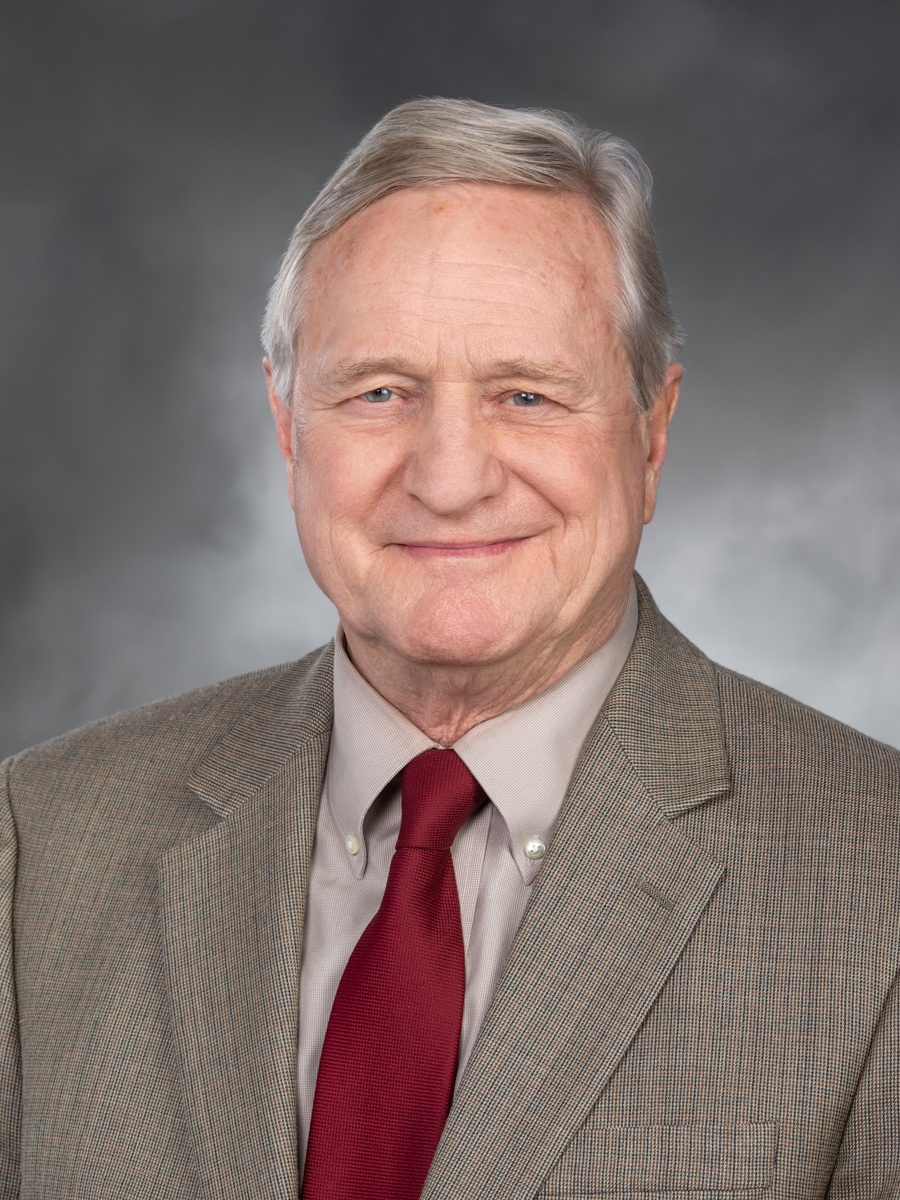
Steve Tharinger
Steve Tharinger House · District 24
D
Strong +
91% 99
Tina Orwall
Tina Orwall Senate · District 33
D
Strong +
90% 124
Annette Cleveland
Annette Cleveland Senate · District 49
D
Strong +
88% 125
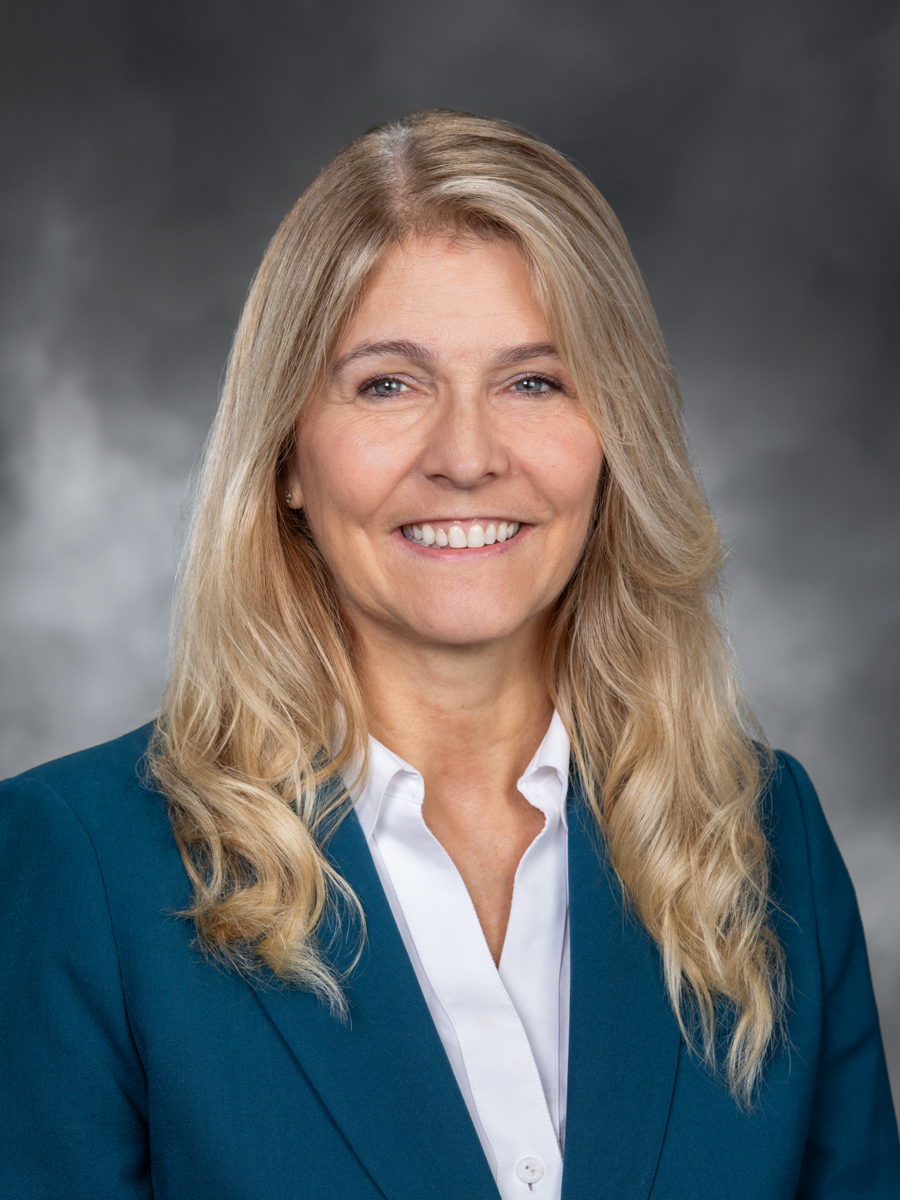
Jess Bateman
Jess Bateman Senate · District 22
D
Strong +
88% 125
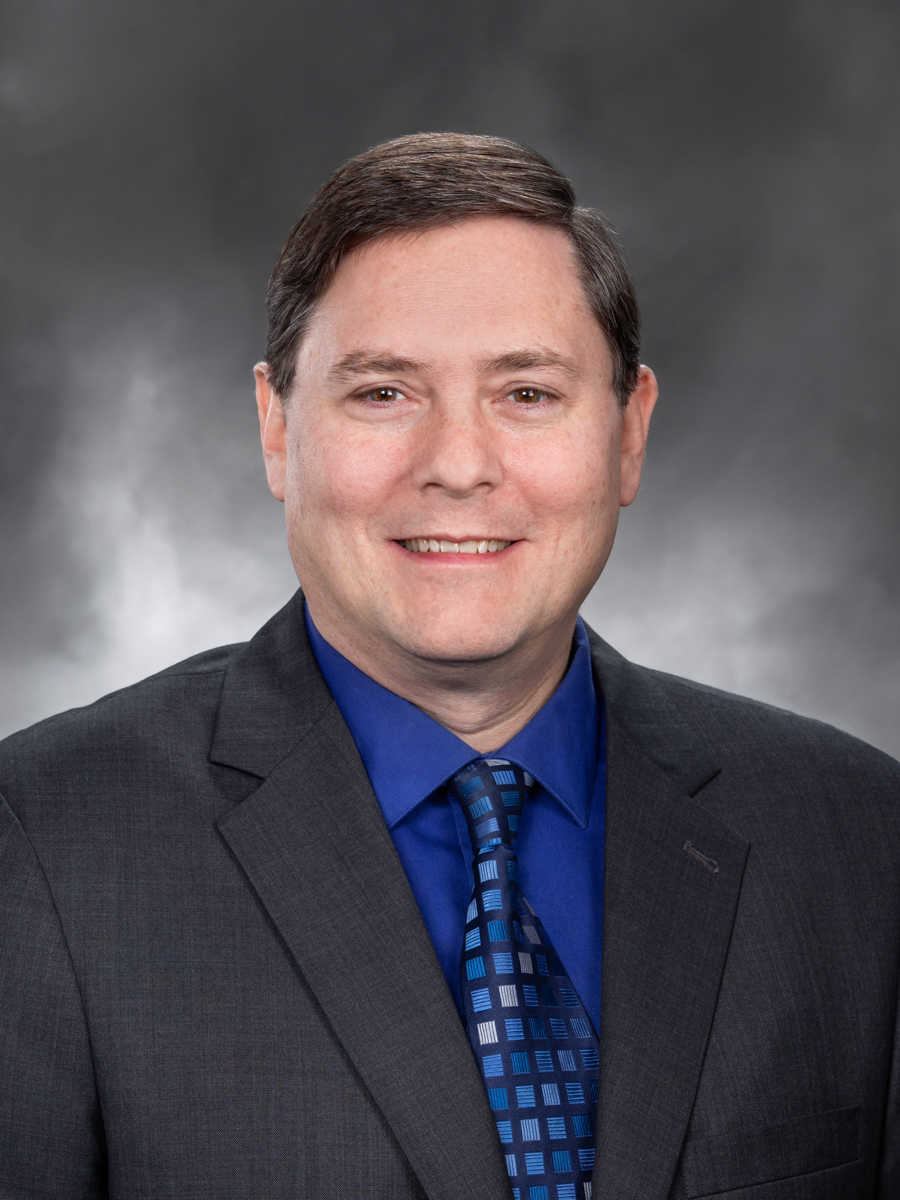
Derek Stanford
Derek Stanford Senate · District 1
D
Strong +
88% 125
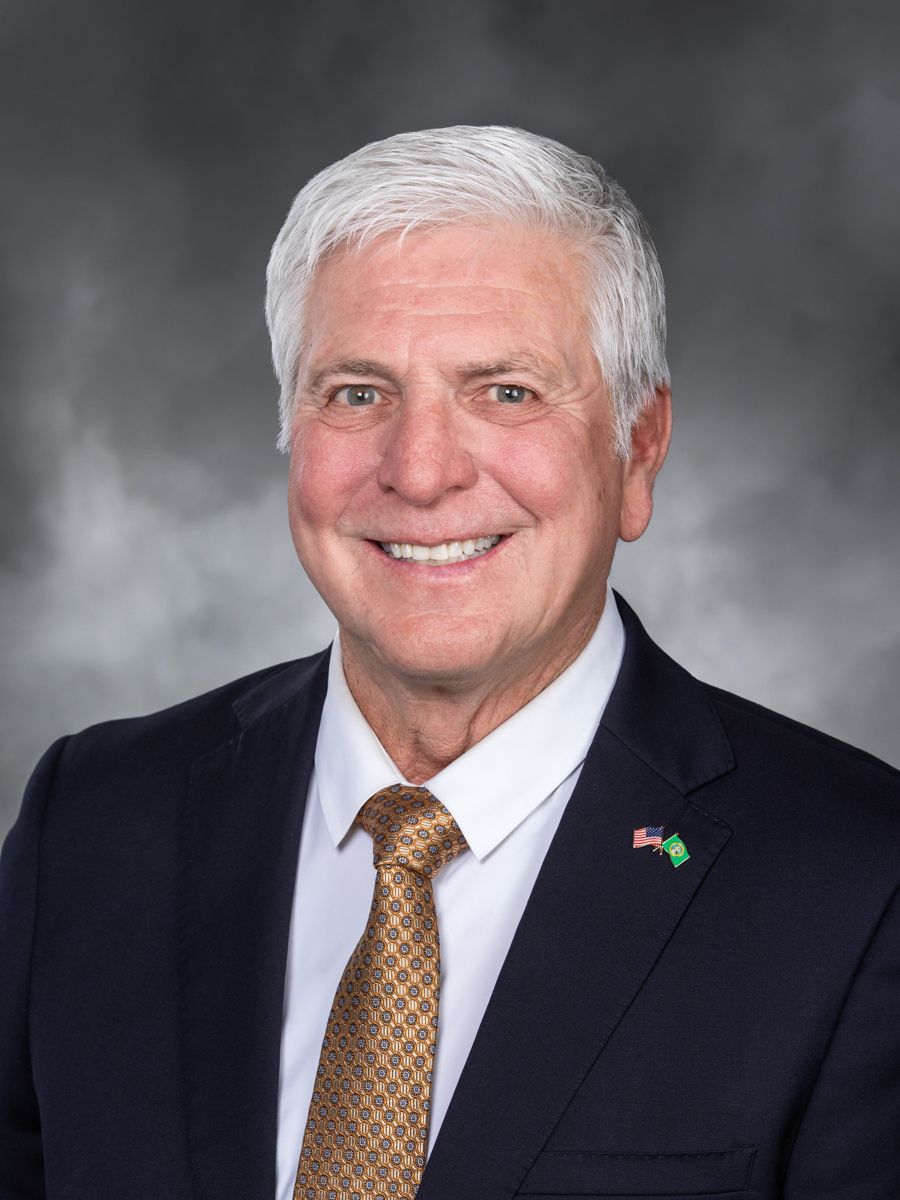
Jim McCune
Jim McCune Senate · District 2
R
Strong −
16% 125
Perry Dozier
Perry Dozier Senate · District 16
R
Strong −
17% 125
Leonard Christian
Leonard Christian Senate · District 4
R
Strong −
17% 125
Matt Boehnke
Matt Boehnke Senate · District 8
R
Strong −
17% 125
Jeff Wilson
Jeff Wilson Senate · District 19
R
Strong −
18% 121
Showing 211–220 of 366 bills

All criminal justice bills

in committee · Washington · House Jan 12, 2026

HB 1159: Concerning the crime of endangerment with a controlled substance.

HB 1159 creates a new class B felony crime for knowingly permitting a dependent child (under 18) or vulnerable adult (e.g., elderly, disabled, or in care facilities) to ingest, inhale, absorb, or contact a controlled substance (excluding cannabis). It specifically targets situations where someone responsible for their care allows exposure to drugs, with exceptions for medical use or prescriptions from licensed practitioners. The law defines "dependent person" broadly to include those relying on others for basic needs like food, shelter, or medical care, and specifies that administering substances for health care or via valid prescriptions is a valid defense. This bill directly affects caregivers, family members, and facility staff responsible for vulnerable individuals.
Sub-Topics Drug Policy
in committee · Washington · Senate Jan 12, 2026

SB 5603: Juvenile access to attorneys when contacted by law enforcement.

This bill requires Washington law enforcement to provide juveniles (under age 18) with immediate access to an attorney before questioning or when they might waive constitutional rights during police contact. For jurisdictions over 1 million people, the attorney must consult in person; smaller areas may use phone or video. Statements made without this consultation are inadmissible in court unless the juvenile properly waived rights after meeting with a lawyer, or if exceptions apply (like imminent life threats or trafficking victim situations). The law aims to prevent coerced statements and ensure juveniles understand their rights before interacting with police.
in committee · Washington · Senate Jan 12, 2026

SB 5350: Concerning background check system for firearms transfers.

SB 5350 repeals existing Washington state laws and related legislative provisions governing the firearms background check system, including requirements for background checks during firearm transfers, the background check advisory board, and related funding accounts. This procedural bill removes specific legal provisions (such as RCW 43.43.580 and 2020 c 28 sections) from the state code. It does not create new requirements but eliminates the current legal framework for background checks. The bill is procedural in nature and does not directly affect firearm transfers or individuals.
Sub-Topics Firearms
in committee · Washington · House Jan 12, 2026

HB 1301: Concerning reducing fees and expenses for services for people confined in state facilities.

HB 1301 requires Washington state facilities to provide free communication services (including voice calls, video, and messaging) to people confined in state custody, eliminating fees for these services. It mandates that facilities maintain existing access to communication devices (like wall phones) and provide free tablets to incarcerated individuals. The bill prohibits facilities from charging fees or generating revenue from these services and explicitly states communication services cannot replace in-person visitation. It also requires transparency by making provider contracts and fee structures publicly available on facility websites and tablets. This law applies to both the Department of Corrections and Department of Children, Youth, and Families facilities.
Sub-Topics Corrections
in committee · Washington · Senate Jan 12, 2026

SB 5287: Limiting the monetary assistance an indigent person may receive from the ignition interlock device revolving account program.

SB 5287 limits financial assistance for indigent individuals using Washington's ignition interlock device program. It amends state law to restrict monetary aid from the revolving account program to cover installation, removal, and leasing costs for no more than two vehicles per person or household. This change directly affects low-income drivers convicted of DUI-related offenses who qualify for ignition interlock licenses but cannot afford the device costs. The bill does not alter the $21 monthly fee or the program's funding structure, only the scope of assistance provided to indigent applicants.
Sub-Topics Traffic Safety
signed · Washington · House Apr 16, 2025

HB 1827: Concerning the effective delivery and administration of basic education services to justice-involved students.

House Bill 1827 focuses on improving the delivery of basic education services for students involved with the justice system. The bill clarifies the duties of the Superintendent of Public Instruction to ensure effective education and better outcomes for these students. A key provision extends the deadline for the Office of the Superintendent of Public Instruction to fully take over responsibility for administering these services from September 1, 2027, to September 1, 2028. It also adjusts the requirement for annual interim progress reports to the governor and legislature, extending them through 2027.
in committee · Washington · Senate Jan 12, 2026

SB 5274: Concerning body worn cameras within corrections agencies.

SB 5274 establishes a pilot program requiring the Department of Children, Youth, and Families to implement body worn cameras at Green Hill School by January 2026. It expands authorized users of body worn cameras to include officers from the Department of Children, Youth, and Families, the Department of Corrections, and personnel at jails and detention facilities. The bill also adds specific exemptions preventing public disclosure of body worn camera recordings when they contain sensitive information, such as medical details, intimate images, or the identity of victims in domestic violence or sexual assault cases. These changes aim to balance transparency with privacy protections for vulnerable individuals.
signed · Washington · Senate May 12, 2025

SB 5716: Expanding the locations where a person can be guilty of unlawful transit conduct to include the Washington state ferries.

Senate Bill 5716 expands the definition of "unlawful transit conduct" to include actions occurring on Washington State Ferries. This bill amends existing law (RCW 9.91.025) to explicitly include the Washington State Ferries under the definition of a "transit authority." As a result, behaviors such as smoking, littering, playing loud music without headphones, or consuming alcohol without authorization are now considered unlawful conduct when on or at ferry facilities. Individuals who violate these provisions on Washington State Ferries can be found guilty of a misdemeanor.
in committee · Washington · Senate Jan 12, 2026

SB 5066: Concerning law enforcement and local corrections agency misconduct through investigations and legal actions.

SB 5066 would authorize Washington's attorney general to investigate and sue local law enforcement agencies (like city police departments) and local corrections agencies (like county jails) for violating constitutional or civil rights. It creates new procedures allowing the attorney general to issue demands for documents, conduct investigations, and seek court orders for systemic reforms - such as improved training or policies - to address misconduct patterns. The bill requires agencies to meet compliance timelines for fixes and prohibits the attorney general from pursuing actions that conflict with ongoing federal investigations. This bill does not apply to state agencies (e.g., Washington State Patrol) or hold individual officers liable for misconduct. The bill was referred to the Senate Ways & Means Committee in February 2025 but has not advanced further.
Sub-Topics Civil Rights Law Enforcement Policing Tags Civil Liberties
in committee · Washington · Senate Jan 12, 2026

SB 5031: Concerning health care coordination regarding confined individuals.

SB 5031 creates a new council within Washington's Department of Health to improve coordination of health care for people in correctional facilities, jails, juvenile detention centers, and other confinement settings. The council, composed of state agency representatives, tribal leaders, county officials, and individuals with lived experience, will review current health information systems and make recommendations to streamline communication and reduce duplication. It must meet quarterly and submit annual reports to the legislature starting in 2025. This bill directly affects individuals in confinement, state health and corrections agencies, and tribal governments by establishing a formal process for better health care coordination.
Showing 211 to 220 of 366 bills
Previous 1 21 22 23 37 Next