Issue · Criminal Justice

Criminal Justice

Every criminal justice bill, vote, and legislator stance in Washington, automatically classified by Maddy, our AI policy reader.

Total bills
366
2025-2026 Regular Session
Top supporter
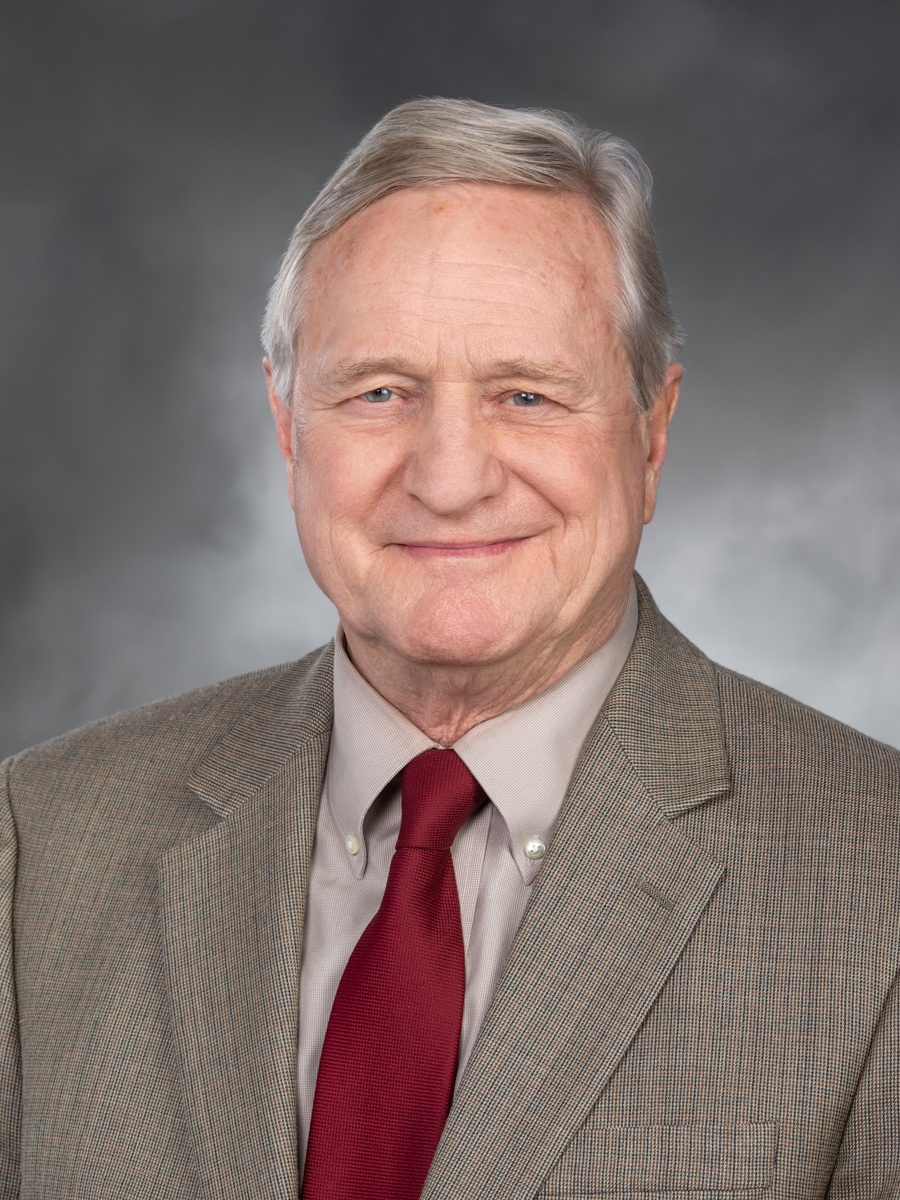
Steve Tharinger
91% support rate
Top opponent
Jim McCune
16% support rate
Ranked legislators
10
5 support · 5 oppose
Key legislators

Who's moving criminal justice in Washington

Legislators moving criminal justice in Washington
Legislator Party Stance Support rate Votes
Steve Tharinger
Steve Tharinger House · District 24
D
Strong +
91% 99
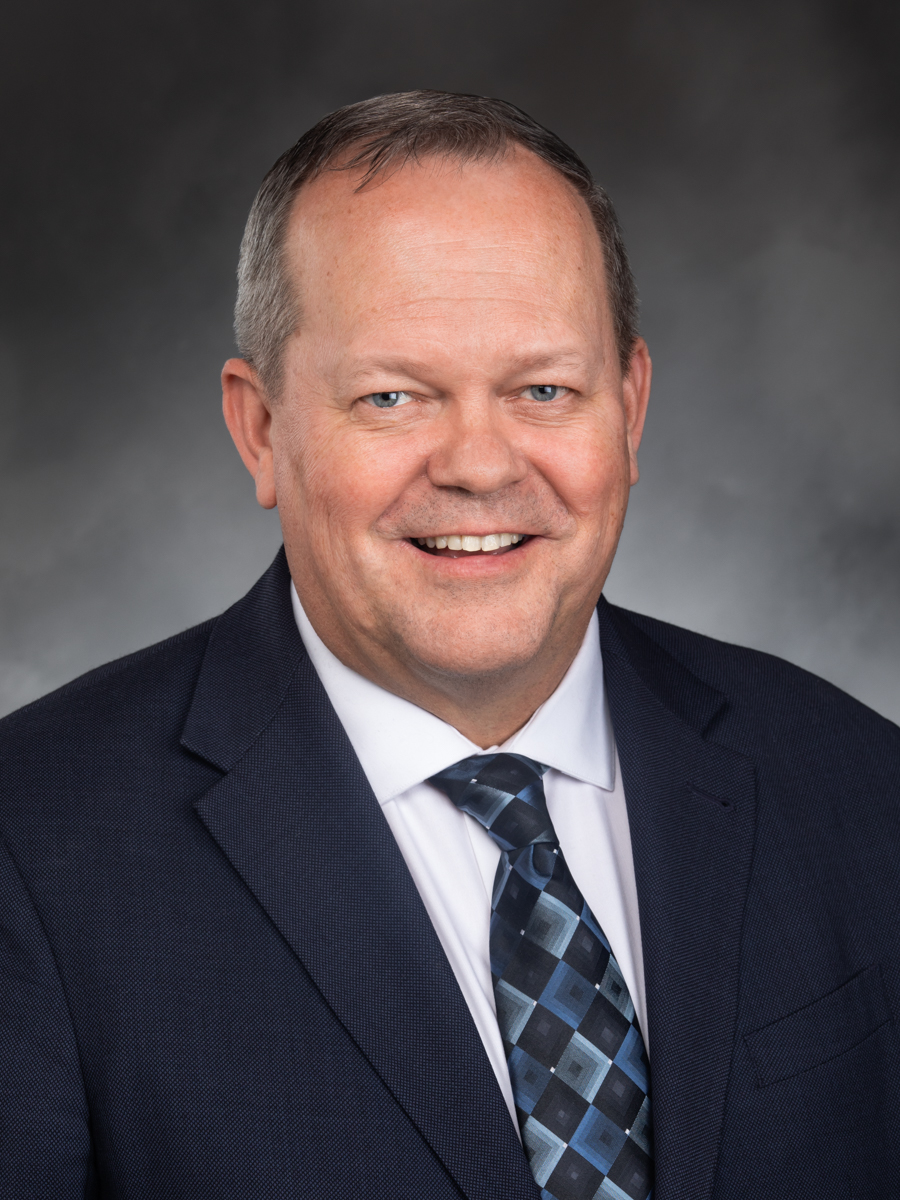
Tina Orwall
Tina Orwall Senate · District 33
D
Strong +
90% 124
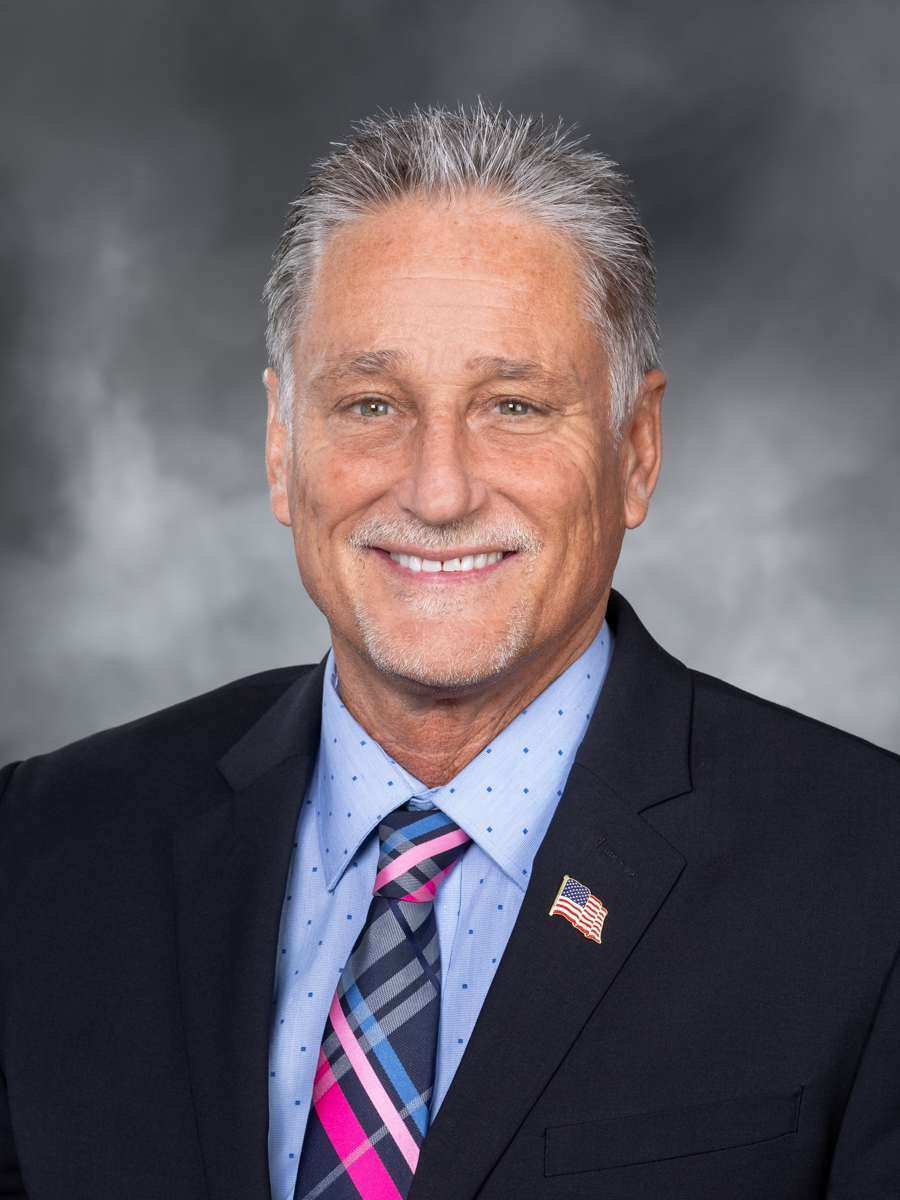
Annette Cleveland
Annette Cleveland Senate · District 49
D
Strong +
88% 125
Jess Bateman
Jess Bateman Senate · District 22
D
Strong +
88% 125
Derek Stanford
Derek Stanford Senate · District 1
D
Strong +
88% 125
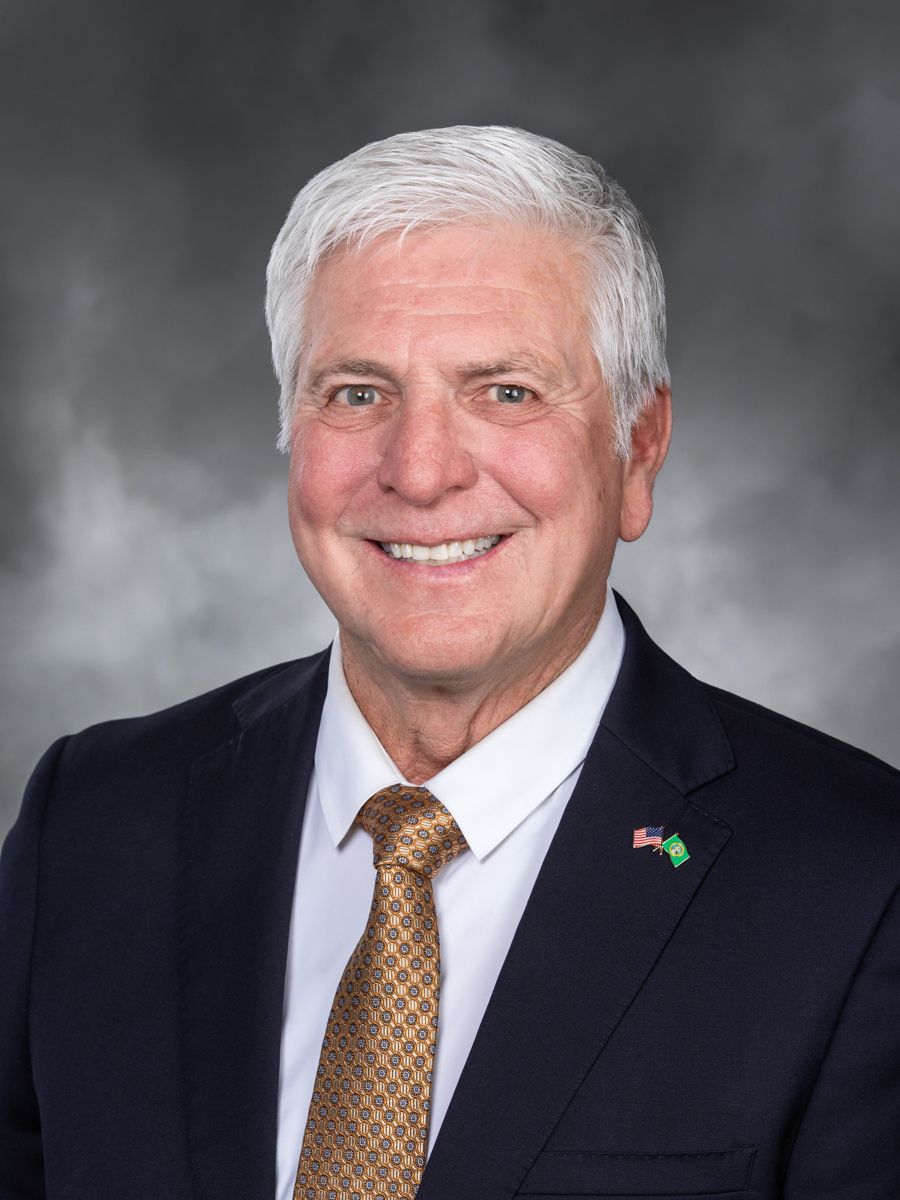
Jim McCune
Jim McCune Senate · District 2
R
Strong −
16% 125
Perry Dozier
Perry Dozier Senate · District 16
R
Strong −
17% 125
Leonard Christian
Leonard Christian Senate · District 4
R
Strong −
17% 125
Matt Boehnke
Matt Boehnke Senate · District 8
R
Strong −
17% 125
Jeff Wilson
Jeff Wilson Senate · District 19
R
Strong −
18% 121
Showing 151–160 of 366 bills

All criminal justice bills

in committee · Washington · House Jan 12, 2026

HB 1056: Concerning law enforcement and local corrections agency misconduct through investigations and legal actions.

HB 1056 empowers Washington's Attorney General to investigate and take legal action against local law enforcement and corrections agencies for systemic misconduct, such as excessive force, discriminatory practices, or inadequate detention conditions. The bill allows the AG to issue civil investigative demands, file lawsuits for systemic reforms, and seek court-ordered policy changes without addressing individual officer misconduct. It specifically applies to county and city agencies (excluding state entities like the Washington State Patrol) and requires coordination with federal investigations. The law does not replace existing legal remedies but aims to promote consistent accountability and transparency in local policing and corrections practices.
signed · Washington · House May 12, 2025

HB 1052: Clarifying a hate crime offense.

House Bill 1052 clarifies the definition of a hate crime offense in Washington state, applying to individuals who commit malicious and intentional acts against others based on perceived protected characteristics. It specifies that assault, property damage, or threats made due to a person's perceived race, religion, gender, sexual orientation, or disability constitute a hate crime. The bill also outlines specific acts, such as burning a cross or defacing property with Nazi symbols, that can be used to infer intent to threaten a victim based on their perceived characteristics. Commission of a hate crime offense is established as a Class C felony.
in committee · Washington · House Jan 12, 2026

HB 2072: Sustaining and expanding behavioral health services by levying an opioid impact fee on opioid manufacturers.

HB 2072 imposes a fee of $0.01 per morphine milligram equivalent on opioid manufacturers for prescription opioids dispensed in Washington. The fee funds a new "prescription opioid impact account," with 50% dedicated to behavioral health programs for children, youth, and young adults. Funds also reimburse the state for modifying the prescription monitoring program and cover administrative costs (capped at 12% annually). Manufacturers must report quarterly opioid dispensing data to the Department of Health and pay the fee within 45 days, with penalties for late payment.
in committee · Washington · Senate Jan 12, 2026

SB 5231: Concerning reducing fees and expenses for services for people confined in state facilities.

SB 5231 requires Washington state correctional facilities to provide free voice communication services (like phone calls) and tablets to people confined in those facilities, with no fees for users. It mandates that facilities maintain existing wall phone access, prohibit departments from earning revenue from these services, and require transparent public reporting of all fees and contracts related to communication services. The bill directly affects incarcerated individuals by eliminating costs for essential communication with family and reducing financial barriers to staying connected. Key provisions include free services, tablet provision at no cost, and detailed annual reporting on fees and service usage to ensure accountability. The law takes effect December 1, 2025.
passed · Washington · House Jan 12, 2026

HB 2044: Addressing unexcused student absences.

HB 2044 revises how unexcused student absences are addressed by school districts, affecting students and their parents. The bill eliminates the requirement for school districts to file truancy petitions before a child's fifth unexcused absence. Instead, after a fifth unexcused absence, districts are directed to enter into an attendance agreement with the parent or child (if age eight or above), either directly or through a community engagement board. Truancy petitions to juvenile court are now generally required only if an attendance agreement is not reached or not complied with, and typically not before the child's 15th unexcused absence in a school year.
in committee · Washington · House Jan 12, 2026

HB 1169: Concerning offenses involving fabricated depictions of minors.

HB 1169 expands Washington state law to criminalize the creation, distribution, or possession of AI-generated or digitally altered images depicting minors in sexually explicit conduct - even when the minor is not identifiable. The bill amends definitions to explicitly include AI-generated content under "digitization" and "fabricated depiction," covering any realistic image of a minor engaged in sexual acts, regardless of whether the image shows a real child. It classifies violations as class B felonies, with separate charges for each image created or shared. This directly affects individuals using AI tools to produce such content, aiming to address the challenge of detecting fabricated child sexual abuse material online. The law targets the proliferation of AI-generated images that could desensitize viewers or increase exploitation risks, without requiring the depicted minor to be identifiable.
signed · Washington · House May 12, 2025

HB 1395: Streamlining the home care worker background check process.

HB 1395 streamlines the background check process for home care workers, long-term care providers, and others working with vulnerable adults and children in Washington state. It prevents the Department of Social and Health Services (DSHS) from automatically disqualifying individuals for certain past criminal convictions, such as specific theft or assault charges, once a specified number of years have passed. However, DSHS or authorized entities can still consider these convictions during a "character, competence, and suitability review," and clients must be informed of an approved provider's background check results before services begin. The bill also allows some providers to work for up to 30 days while their review is pending, with client notification, and limits when new suitability reviews are required for previously cleared non-disqualifying issues.
Sub-Topics Firearms Violent Crime
passed · Washington · Senate Feb 26, 2026

SB 5238: Addressing reckless driving in cases involving excessive speed.

This bill expands the definition of reckless driving in Washington state to include intentionally driving more than 30 miles per hour over the posted speed limit. This change means that drivers found guilty of this specific act would face the existing penalties for reckless driving. These penalties include a gross misdemeanor charge, potential imprisonment for up to 364 days, fines up to $5,000, and a license suspension of at least 30 days. The new provisions are scheduled to take effect on September 1, 2025.
in committee · Washington · House Jan 12, 2026

HB 1799: Concerning persons convicted of violent offenses with a firearm.

HB 1799 prohibits individuals convicted of violent offenses involving a firearm from earning early release credits toward their prison sentences. Specifically, it amends Washington state law to deny all "good time credits" or "earned release time" for sentences resulting from violent crimes where a firearm was used as a deadly weapon. This directly affects people sentenced for violent felonies with firearm enhancements under existing law (RCW 9.94A.533), preventing them from reducing their sentences through behavior-based credits. The bill does not change sentencing lengths but restricts a key mechanism for early release for this specific group of offenders.
in committee · Washington · Senate Jan 12, 2026

SB 5256: Concerning victims' participation in hearings conducted by the indeterminate sentence review board.

SB 5256 requires the Washington Indeterminate Sentence Review Board to formally consider victims' objections when deciding whether to release offenders convicted of sex offenses. The bill mandates that victims of these crimes can present statements and object on record during hearings, with the board giving "great weight" to their objections and making written findings on them. It also requires county prosecutors to forward victim impact statements and contact information to the board as part of the review process. This policy change directly affects victims of sex offense convictions and the board's decision-making during parole hearings for such offenders.
Showing 151 to 160 of 366 bills
Previous 1 15 16 17 37 Next