

Maddy summaryH.747, the "No Secret Police Act," requires all Vermont local, state, and federal law enforcement officers to visibly display their agency name and either their name or badge number during public interactions. It prohibits wearing masks or disguises that conceal identity, except for specific safety-related exceptions like medical masks, fire operations, or declared weather emergencies. Law enforcement agencies must create and publicly post written policies ensuring compliance with these identification standards. The bill aims to promote transparency and trust between officers and the public during routine engagements.
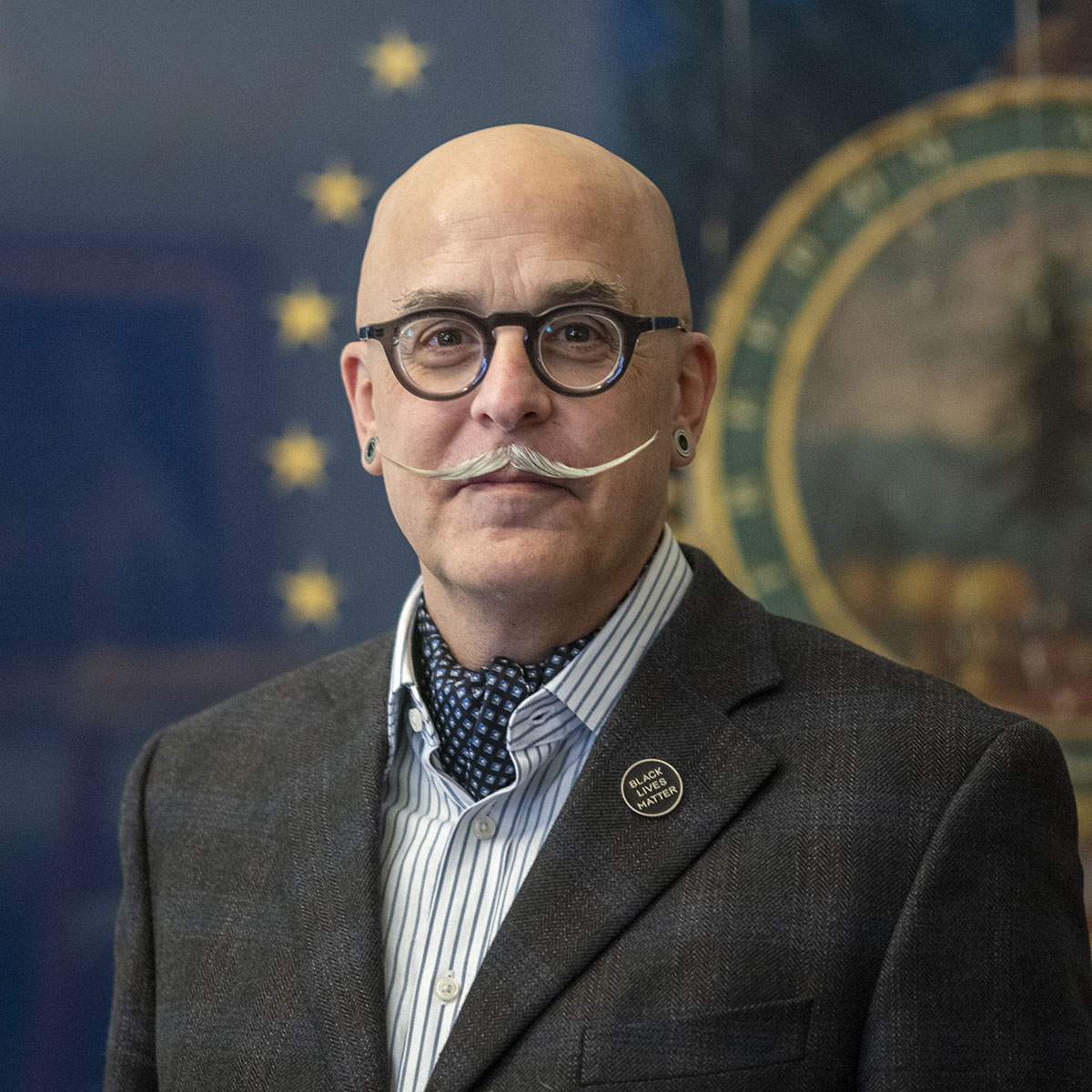
Rep. Troy Headrick
Sponsored bills
Maddy summaryThis bill would ban corporate political action committees (PACs) from spending money in Vermont state elections. It directly affects corporations that fund political committees, preventing them from using those funds to influence state-level races. The prohibition applies specifically to spending in state elections, not federal or local contests, and would require corporate PACs to cease such activities under Vermont law. The bill does not address individual donations or non-corporate PACs.
Maddy summaryThis bill sets a 60-hour weekly maximum for medical interns, resident physicians, and physicians, with no single shift exceeding 16 hours. It requires at least 16 consecutive hours off duty after any 16-hour shift. The law directly affects healthcare trainees and physicians working in Vermont hospitals and medical programs. These provisions aim to limit extended work periods without specifying enforcement or penalties.
Maddy summaryThis bill requires all Vermont postsecondary schools to provide free menstrual products in a majority of gender-neutral bathrooms and bathrooms designated for female students (for students aged 8+), plus in school nurse offices or health centers. It mandates that schools cover the cost of these products, though they may seek grants or partner with nonprofits to help. The law applies to all public and approved independent postsecondary schools in Vermont and takes effect July 1, 2026. It aims to ensure immediate, no-cost access without requiring students to request products.
Maddy summaryH 713 requires national fast food chains (defined as brands with over 60 locations nationally) to pay employees a minimum of $20 per hour starting January 1, 2027, with annual increases tied to the standard statewide minimum wage formula. It directly affects workers at large fast food chains operating across multiple states under a single brand. The bill also creates the Fast Food Council, composed of industry representatives, franchise owners, employee advocates, and a public member, to study and recommend future wage and working condition standards. The Council must submit its first report by December 15, 2028, and annually through 2031.
Maddy summaryThis Vermont bill (H 334) bans most noncompete agreements and "stay-or-pay" provisions that require employees to repay employers upon leaving a job. It prohibits agreements restricting work for competitors after separation, with limited exceptions for business sales or dissolution. Employers must notify affected employees about void agreements and cannot retaliate against workers who refuse such terms. The law applies to all Vermont employers and covers existing contracts that violate these restrictions.
Maddy summaryH.681 requires Vermont school districts to obtain voter approval from the town where a school is located before closing any school serving prekindergarten through 12th grade, or specific grades within that range. The bill mandates a townwide vote for closures or relocations of school facilities, directly affecting school districts and local voters in communities with public schools. It amends state law to override existing school district agreements that might allow board decisions without voter input. The policy change takes effect July 1, 2026, ensuring community approval is required for school closure decisions.
Maddy summaryThis bill creates the Vermont Airspace Safety and Unidentified Anomalous Phenomena (UAP) Task Force within the Department of Public Safety. The task force will evaluate reports of unexplained aerial objects (like drones or unidentified craft), assess public safety risks, and coordinate with federal agencies, academic experts, and Vermont's aviation sector. It requires the task force to work with the Scientific Coalition for UAP Studies (SCU) as its primary scientific partner for analyzing data. The bill directly affects Vermont residents and state agencies responsible for airspace safety by establishing a formal process for investigating and responding to UAP reports.
Maddy summaryThis bill expands Vermont's definition of "victim" to include individuals affected by officer-involved shootings when the person shot was experiencing a mental health crisis. It requires the Victims Compensation Board to provide these individuals with access to services and compensation similar to other crime victims. The bill also mandates mental health crisis training for law enforcement officers as part of certification requirements and incorporates de-escalation techniques into the state's use-of-force policy. These changes directly affect victims of such incidents and their families, ensuring they receive support previously available only to traditional crime victims.
Maddy summaryThis bill requires Vermont's Agency of Education to create guidance and training for schools to distinguish between protected political speech and unlawful harassment targeting protected groups. It adds new members to the Harassment, Hazing, and Bullying Prevention Advisory Council and mandates a new freedom of expression curriculum for public K-12 schools. The curriculum will teach students age-appropriate basics about First Amendment protections under both federal and Vermont constitutions. The bill directly affects Vermont public schools, students, educators, and school districts by setting standards for handling political expression and harassment claims. It aims to ensure schools remain safe while preventing censorship of lawful political discourse, particularly regarding issues like Palestinian human rights advocacy.